
TL;DR
Lots of babies favor one breast, and lots of moms make more milk on one side. The cause is either on your baby's side (a stiff neck, a sore ear, a nose or latch issue) or on yours (a faster or slower flow, a flatter nipple, less milk). Spot which side it's on, then offer the weaker breast when your baby is sleepy, use the favorite position on the other side, and pump the weak side once a day. If your baby is gaining well, lopsided is fine.
Your baby latches on the left side like a champ. Then you switch to the right, and she arches, fusses and acts like you’ve offered her a lemon. A few weeks later, one breast is clearly bigger than the other, and you’re wondering if you’re doing something wrong. You’re not. Side preference is one of the most common things nursing moms run into, and it is usually easy to work with.
First, the part that will feel familiar: you look in the mirror, see one side looking like a balloon and the other like it gave up, and feel a little silly. Every nursing mom has a “good side.” The question is whether your baby’s preference is a quirk, a sign of something small that needs fixing, or a supply gap you want to close. Here’s how to tell, and what to do about each one.
Why does my baby prefer one breast?

Every cause falls into one of two buckets: something on your baby’s side, or something on yours. Sorting it this way saves you a lot of guessing. If your baby fusses on one side no matter which hold you use, look at your breast. If she fusses in one position (say, lying on her left), look at her body.
It also helps to know this is normal. Most moms make more milk on one side, often the right. Breasts are not twins, and they rarely act like it.
Baby-side reasons she refuses one breast
1. A stiff or tight neck (torticollis). If your baby always turns her head one way, has a head tilt, or is getting a flat spot on one side of her head, her neck muscles may be tight. Turning to the other breast hurts, so she refuses it. This is common after a tight squeeze in the womb or a hard birth. Your pediatrician can check, and simple stretches or a few physical therapy visits usually fix it.
2. A sore ear. Lying on an ear that hurts is no fun. If your baby suddenly refuses one side and also has a cold, fever or tugs at an ear, get her checked for an ear infection.
3. A stuffy nostril. One blocked nostril can make one side hard to breathe on. Try saline drops before feeds. Our guide to newborn congestion relief walks through the easy fixes.
4. Birth bumps and bruises. A sore collarbone, a bruise from a vacuum delivery or a sore spot on the head can make one position hurt for a week or two. This one tends to fade on its own.
5. Latch trouble on one side. A tongue-tie or a shallow latch can work okay on one breast but not the other. If nursing hurts more on one side, or your baby clicks or slides off, read up on tongue-tie and how to get a deep latch.
Mom-side reasons she prefers one breast

1. Faster flow on one side. If one breast sprays, your baby may pull off coughing and decide that side isn’t worth it. If you have a strong letdown, our post on oversupply and fast letdown has positions that slow it down.
2. Slower flow on the other side. The flip side. Some babies want milk now and get cranky waiting for a slow letdown. This often starts a loop: she nurses less on that side, so it makes less milk, so she likes it even less.
3. A flatter or harder-to-grab nipple. It’s common to have one nipple that sticks out less. Babies take the easy one. A few seconds of hand expression or a quick pump before latching can draw it out.
4. Old surgery or injury. Breast surgery, a biopsy, a past abscess or nipple piercings can lower milk on one side. That breast may never fully match the other, and that’s okay.
5. A plugged duct or engorgement. A rock-hard breast is hard to latch onto. Softening it first with a little hand expression helps. If you feel a lump, see our engorgement relief guide.
6. The milk tastes a little different. During mastitis, milk on that side can taste saltier for a few days. Some babies notice and refuse it until it clears.
How to get your baby to take the other breast, step by step

Go gently. Pushing a baby onto a side she hates usually makes her hate it more. These steps work best together.
1. Find the cause first. Watch for one week. Does she fuss on one side in every hold, or only when she lies a certain way? Is that breast softer, faster or harder to latch? The answer tells you which fixes to use.
Track every feed without the spreadsheet
Latchly times each side, logs pumps, and shows you the patterns. Free to start.
2. Offer it when she’s sleepy. Drowsy babies don’t argue. Try the less-liked side as she’s waking up, during a dream feed, or when she’s nearly asleep.
3. Slide, don’t flip. Start on the favorite side, then slide her across to the other breast without turning her body over. Her head and body stay in the same position she likes. A football hold on the second side does this naturally.
4. Start on the weak side. Babies suck hardest at the start of a feed. When she’s hungry, offer the weaker breast first. If she won’t, let her start on the favorite side for a minute until letdown, then switch.
5. Squeeze to speed flow. If she gets fussy waiting, use breast compressions. Hold your breast with your hand in a C shape and press gently when her sucking slows. More milk keeps her interested.
6. Pump the weak side. Add one pump session a day on the low side only, ideally after the first morning feed when supply is highest. Even 10 to 15 minutes tells your body to make more. For a bigger push, try a round of power pumping on that side.
7. Ease off the full side. If the favorite breast gets too full, hand express just enough to feel comfy. Don’t pump it to empty. That only makes it work harder and widens the gap.
Is lopsided supply a problem?
Not on its own. Plenty of moms nurse with one breast doing most of the work for months. Some feed from only one breast the whole time and their babies grow just fine. Your body makes more milk where milk gets removed, so one breast can step up.
What matters is your baby, not your bra size. Check:
- 6 or more heavy wet diapers a day after day 5
- Regular yellow poop in the early weeks
- Steady weight gain at her checkups
If those are on track, your supply is fine, even if it’s uneven. Our guide to knowing if your baby is getting enough milk has the full checklist.
You may still want to even things out for comfort or looks. Uneven breasts can feel odd, and a very full side can be sore. The steps above usually narrow the gap in 1 to 2 weeks. Once you wean, most breasts go back to being close to even.
What about night feeds?
Night is when side preference is easiest to fix. A sleepy baby fights less, and side-lying lets you offer the other breast with almost no position change. Just roll over and bring her to the other side, or lie on the same side and lean to offer the top breast. If she was nursing on one side all night, pump the other side in the morning so it doesn’t get too full.
When to call your pediatrician
Call your baby’s doctor, or your own, if:
- Your baby has a head tilt, always looks one way, or has a flat spot on her head
- She tugs at an ear, has a fever, or seems in pain lying on one side
- She suddenly refuses a breast she used to take happily, and you can’t find a reason
- You find a breast lump that doesn’t go away within a few days
- One breast is red, hot and painful, especially with fever or chills
- Your baby has fewer than 6 wet diapers a day or isn’t gaining weight
A sudden refusal of one breast is rarely serious. Still, a lump or a breast change that sticks around should always be checked, nursing or not.
The thing I wish I’d known
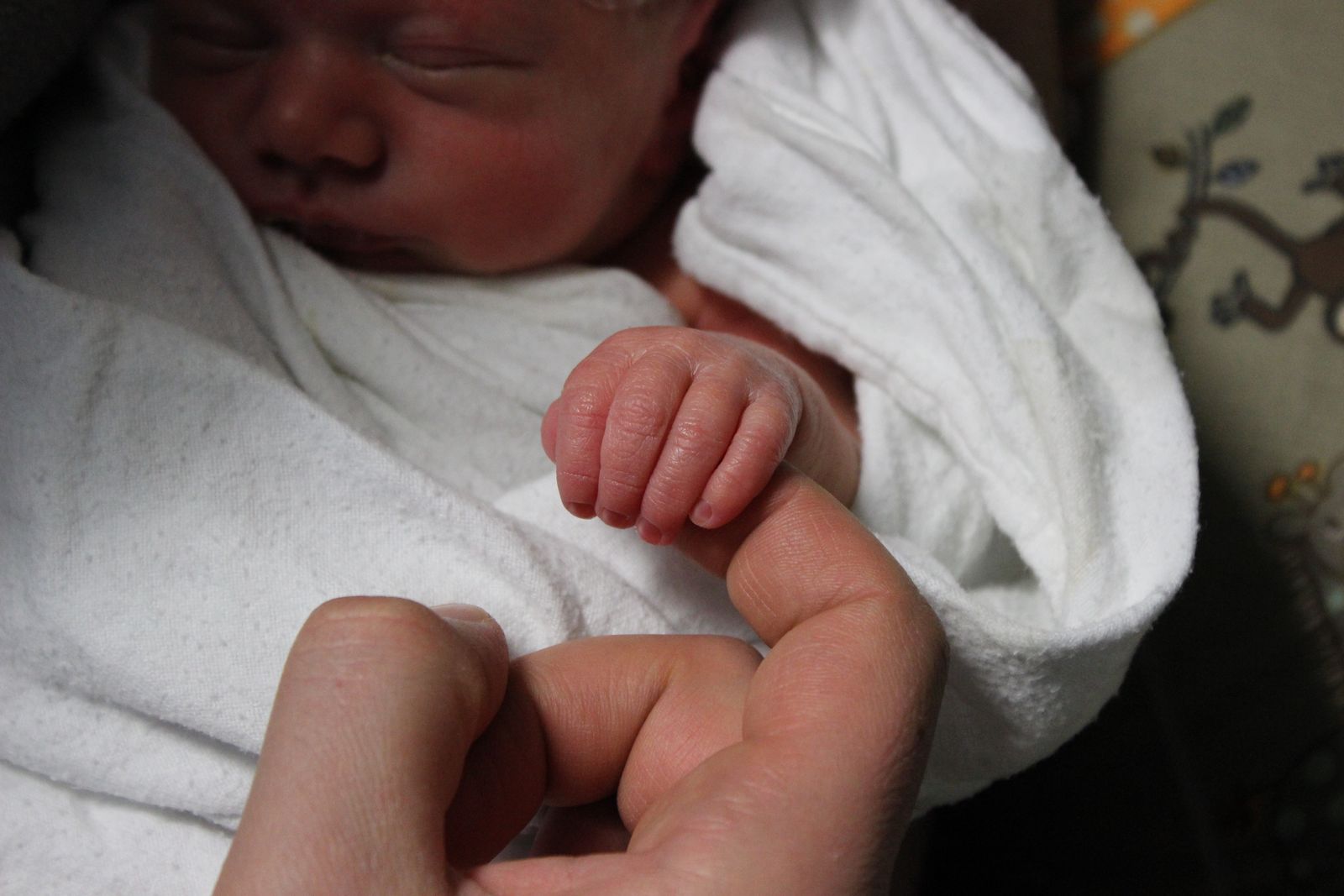
I wish someone had told me that uneven is normal. Not a sign of failure, not a sign I was doing it wrong. Just two breasts doing their own thing, and a baby with opinions.
Your baby picking a side is information, not rejection. Sometimes it points to a stiff neck or a sore ear that needs a quick check. Sometimes it means one breast flows easier. And sometimes it means nothing at all.
So here’s your next step: for the next few feeds, notice which side she fusses on and in which position. Then pick one fix from the list above and try it for three days. You don’t need two perfect sides. You need a baby who’s growing, and a plan that feels doable to you.
Frequently asked questions
Why does my baby prefer one breast?
Usually one of two things. Either something on your baby’s side makes the other position uncomfortable, like a stiff neck, a sore ear or a stuffy nostril, or something on your side makes one breast easier, like a faster flow, more milk or an easier nipple to latch onto.
Is it normal for one breast to make more milk?
Yes. Most moms have one breast that makes more milk, and it is often the right one. A big difference between sides is common and is not a problem as long as your baby is gaining weight.
Can my baby get enough milk from one breast?
Yes. Many babies are fully fed from one breast, and some moms nurse on one side for months. Your body makes more milk in the breast that gets emptied more often. Watch wet diapers and weight gain to be sure.
How do I get my baby to take the other breast?
Offer the less-liked side when your baby is sleepy or just waking, slide her over from the favorite side without changing her body position, and try lying back or a football hold. Gentle and calm works better than pushing.
How can I increase milk in one breast?
Empty that breast more often. Offer it first when your baby is hungriest, use breast compressions, and add one pump session a day on that side only. Most moms see a change in 3 to 7 days.
When should I worry if my baby refuses one breast?
Call your doctor if you find a lump that doesn’t go away in a few days, a hot red area with fever, or if your baby has a head tilt, ear pain, fever or poor weight gain. Sudden refusal of one breast with a breast change is worth a check.