
TL;DR
The first 14 days of breastfeeding are the hardest you'll face, but they're also the ones that set up everything that comes after. Colostrum is all your baby needs for the first few days. Your milk comes in around days 2 to 5. By day 14, most babies are back to birth weight and feeding is starting to click.
The first 14 days of breastfeeding are the hardest stretch you’ll face as a new mom, and nobody prepares you for how intense they actually are. This guide breaks down exactly what happens day by day, from your first colostrum feed in the delivery room to the moment your milk comes in and everything that follows. You’ll learn what’s normal, what’s not, and the exact signs that tell you things are going well. If you’re in the middle of it right now, reading this at 3am with a baby on your chest, you’re doing better than you think. (And if you spot greasy yellow scales on your baby’s scalp around now, that is just cradle cap, harmless and common in these first weeks. Little red bumps on the face a couple of weeks in are usually just baby acne, harmless too. And dry, red, itchy patches on the cheeks are most likely baby eczema, common and very manageable.)
First, the part that nobody puts in the brochure. You thought breastfeeding would be instinct. Baby comes out, latches on, milk flows. Instead, it’s day 3, your nipples are on fire, the baby won’t stop crying, your milk isn’t “in” yet, and your mother-in-law just said “maybe you should try formula.” You’re not failing. You’re learning. And so is your baby. (And if you do end up adding some formula, that isn’t failing either. Our combination feeding guide shows how to do it without losing your supply.)
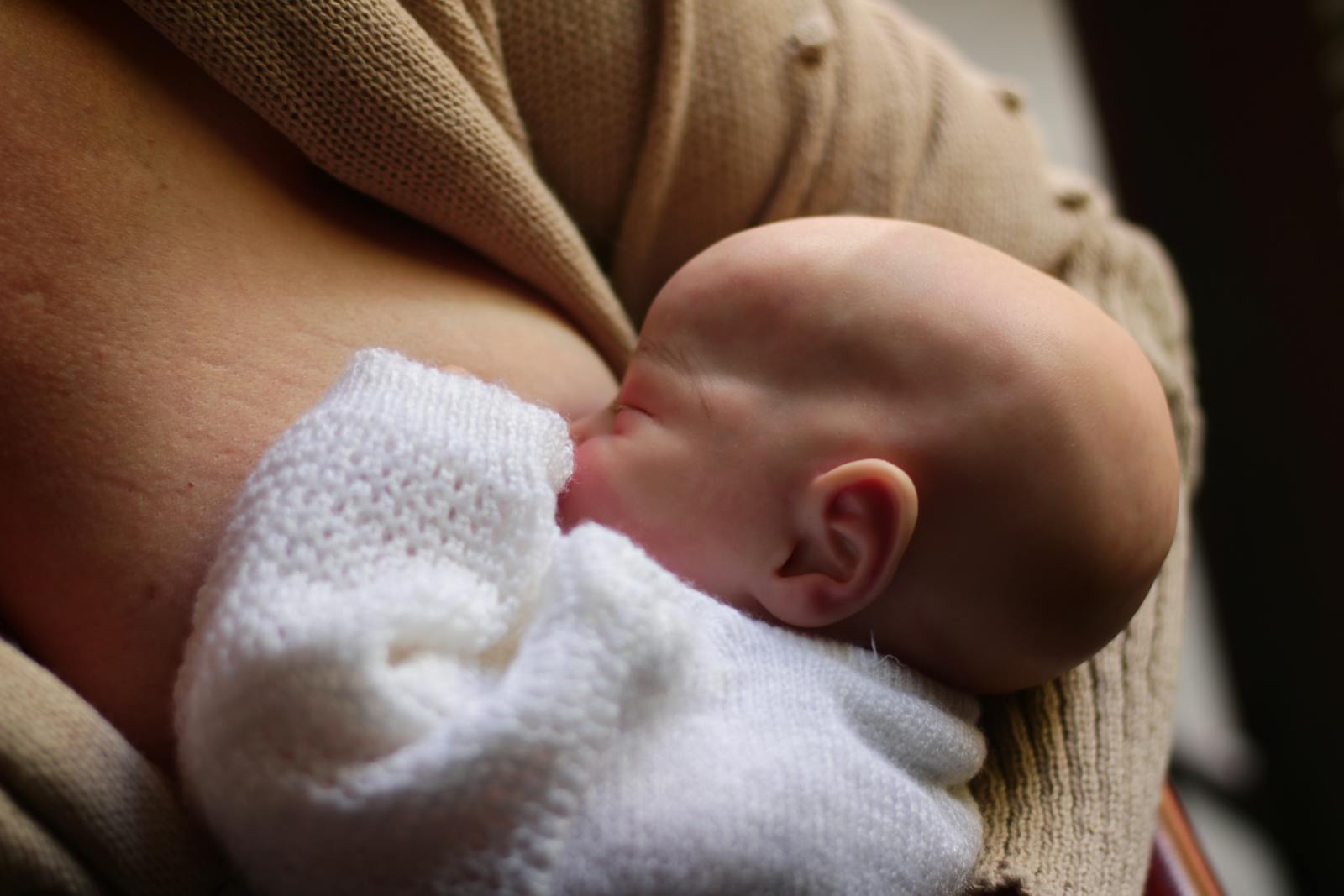
What Happens in the First 14 Days
Your body goes through three distinct phases in these two weeks: colostrum, transitional milk, and the beginnings of mature milk. Your baby goes through their own version, moving from sleepy newborn who barely wakes up to an alert, hungry little person who knows exactly how to tell you they want to eat.
Understanding the timeline takes a massive amount of anxiety off the table. When you know that day 3 is supposed to be hard, day 3 feels survivable instead of like a sign that everything is broken.
Days 1 to 2: Colostrum and Skin-to-Skin
Your body starts producing colostrum weeks before birth. It’s thick, golden, and comes in tiny amounts. That’s by design. Your baby’s stomach on day 1 is the size of a cherry. They need teaspoons, not ounces.
Try to breastfeed within the first hour after birth. Skin-to-skin contact right after delivery helps your baby find the breast using their natural reflexes. Not every birth allows this, and that’s okay. If you had a C-section or your baby went to the NICU, you’ll catch up.
What to expect in these first 48 hours:
- Your baby will be sleepy. Really sleepy. You may need to undress them, change their diaper, or tickle their feet just to wake them up for feeds.
- Feed at least 8 times in 24 hours. Even if baby only latches for a few minutes. Every session tells your body to start building supply.
- You’ll see 1 to 2 wet diapers on day 1, and 2 to 3 on day 2. That’s normal. The volume goes up once your milk transitions.
- Stools will be dark and tarry (meconium). This is your baby clearing out what built up in the womb.
Don’t panic about the small amounts. Colostrum is packed with antibodies, immune factors, and exactly the nutrition your newborn needs. It coats their digestive tract and protects against infection. A few drops per feed is doing serious work.
If you haven’t yet stocked the bedside basket and the bathroom bin (peri bottle, witch hazel pads, mesh underwear, lanolin, big water bottle), our postpartum essentials checklist is the short version, or the 12-product postpartum recovery kit for brand-named picks (Frida Mom, Earth Mama, Tucks, Lansinoh). The first 48 hours go a lot smoother when you don’t have to stand up to find anything. (One more thing worth having before day 1: a firm flat nursing pillow. The hospital cushion will not cut it for the 8-12 daily feeds. Our best nursing pillows roundup ranks 7 picks, with My Brest Friend Original as the safest first. Same goes for the swaddle: the hospital receiving blankets work for the first 24 hours, but you want one real swaddle ready for night two. Here are the 7 best swaddles for newborns ranked, with the Halo SleepSack Swaddle as the first pick.)
Days 3 to 5: Your Milk Comes In
This is the hardest stretch for most moms. Your milk starts transitioning from colostrum to transitional milk somewhere between day 2 and day 5. First-time moms tend to be closer to day 4 or 5.
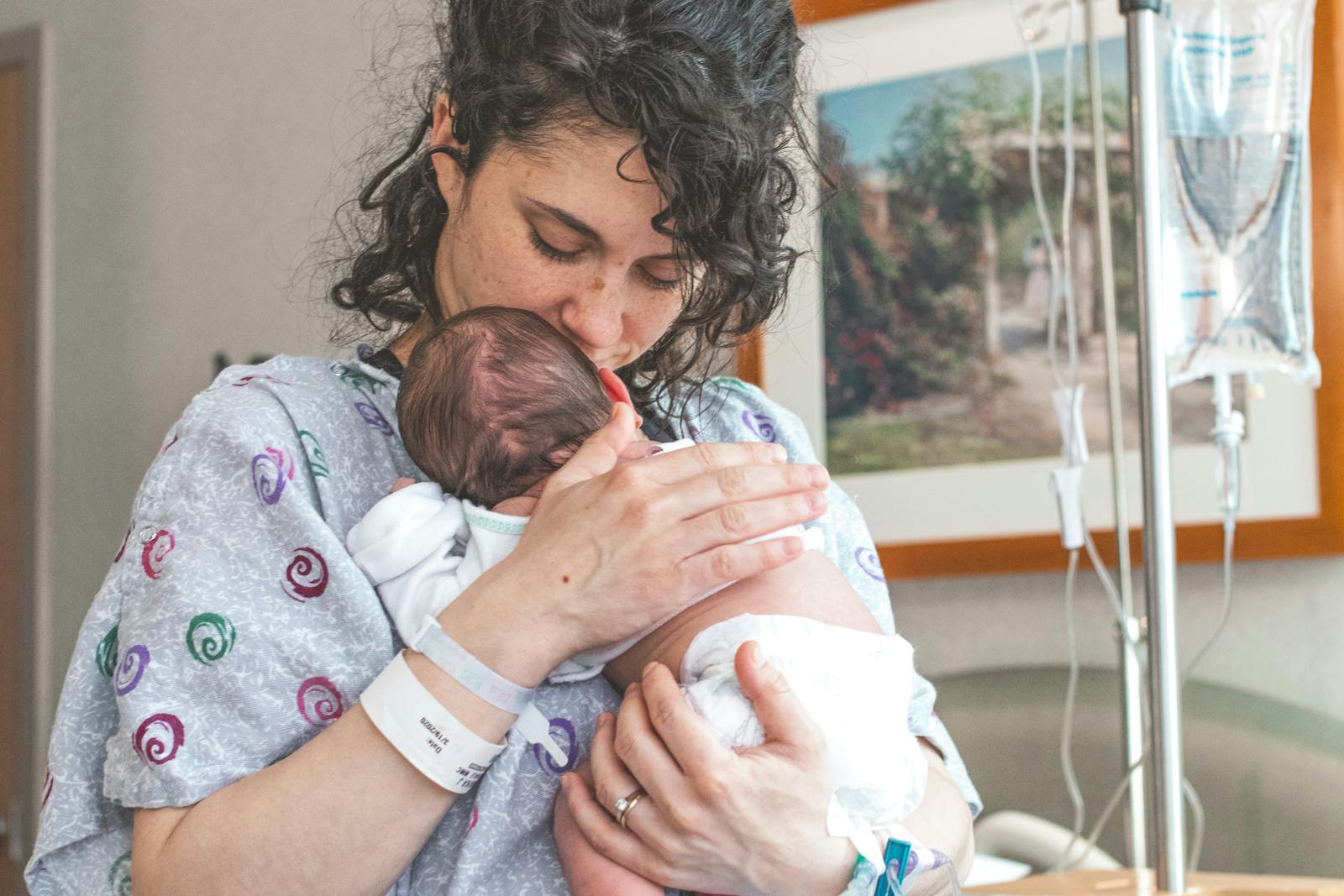
You’ll know it’s happening because:
- Your breasts get noticeably fuller, heavier, and warmer. Some moms wake up and feel like they went up two cup sizes overnight.
- Engorgement is common. Your body overshoots at first, making more milk than baby needs. This usually settles within 24 to 48 hours.
- Baby starts having more wet diapers. You should see 3 to 4 wet diapers on day 3, climbing toward 6 or more by day 5.
- Stools shift from dark meconium to greenish-brown, then to yellow and seedy. That yellow color means your milk is doing its job.
Day 3 is also when a lot of moms hit a wall. Hormones crash. Sleep deprivation stacks up. Nipple soreness peaks. Your baby might cluster feed all evening, nursing nonstop for 2 to 3 hours straight. This is normal. It’s your baby telling your body to make more milk. It’s not a sign that you don’t have enough. Around the same window you may also notice afterpains during nursing (uterus contractions from oxytocin), drenching night sweats, and the day-5 cry-at-everything cliff drop. That cluster of “wait, is this normal” moments is covered in the 13 things nobody tells you about postpartum. All of it is normal. All of it is temporary.
If your milk hasn’t come in by day 5, don’t wait. Call your OB or a lactation consultant. Delayed onset can happen with C-sections, retained placenta, or hormonal issues, and early intervention makes a real difference.
Days 5 to 7: Finding a Rhythm
By day 5, the chaos starts to organize itself. Your baby is more alert, latching with more purpose, and feeding sessions get a little more predictable.
Here’s what to watch for:
- 6 or more wet diapers per day. This is the number your pediatrician will ask about. Clear or pale yellow urine means your baby is well hydrated. (Super-absorbent diapers can fool you — the wet diapers newborn guide shows the weight test and what the day-by-day ramp looks like.)
- 3 to 4 yellow, seedy stools per day. Some breastfed babies go more often than that, especially after feeds.
- Weight stabilizes or starts climbing. Most babies hit their lowest weight around day 3 to 5, then start gaining.
- Feeding sessions settle into 15 to 30 minutes per breast. Some babies are efficient and finish in 10. Others take 40. Both can be fine.
- You can hear swallowing. A rhythmic suck-suck-swallow pattern means your baby is actively transferring milk, not just comfort sucking.
This is a good week to focus on your latch. A deep latch in week 1 prevents a world of pain in weeks 2 through 6. If latching still hurts past the first 10 seconds of a feed, something needs to change. It is also worth experimenting with breastfeeding positions this week. Laid-back and cross-cradle are the two that work best when both you and your baby are still learning. If the intake worry is loud right now, our guide on whether your baby is getting enough milk walks through the signs that actually matter.
Track every feed without the spreadsheet
Latchly times each side, logs pumps, and shows you the patterns. Free to start.
Days 7 to 10: The First Growth Spurt
Your baby’s first growth spurt typically hits between day 7 and day 14. You’ll notice it because suddenly, a baby who was starting to settle into a pattern goes right back to nonstop feeding.
This is cluster feeding, and it’s completely normal. Your baby may want to nurse every 30 to 60 minutes for a few hours, usually in the evening. They’re placing an order for tomorrow’s milk supply. It feels like a step backward, but it’s actually a sign that your baby knows exactly what they’re doing.
During the growth spurt:
- Don’t supplement with formula unless your pediatrician says to. Skipping breast feeds during a growth spurt can actually reduce your supply at the moment when your baby is trying to increase it. If you’re worried about your output, our guide on how to increase your milk supply covers the 8 things that actually work.
- Start vitamin D drops in these first days. Breast milk is low in vitamin D, so the AAP says to give 400 IU a day starting almost right away. It is one drop, not a battle. Here is how vitamin D works for breastfed babies, including the one way to skip the drops entirely.
- Stay hydrated. Keep a water bottle at every spot where you nurse.
- Eat real meals. You need roughly 500 extra calories a day while breastfeeding. This is not the time to skip lunch. (Our foods that increase milk supply guide covers the 8 with real research behind them, plus the 4 the internet pushes that don’t actually work.)
- Accept help. Let someone else handle dishes, laundry, and older kids while you park on the couch and feed.
The growth spurt usually resolves in 2 to 3 days. Your supply adjusts, your baby calms down, and feeds space out again. If the night feeds during this stretch are wearing you down, setting up a proper station and keeping the lights off makes a real difference. The frantic gulping during a growth spurt also pulls in extra air, so a quick mid-feed burp and a round of bicycle legs for newborn gas at the end of each long evening cluster keeps the squirmy 2am wake-ups from stacking up.
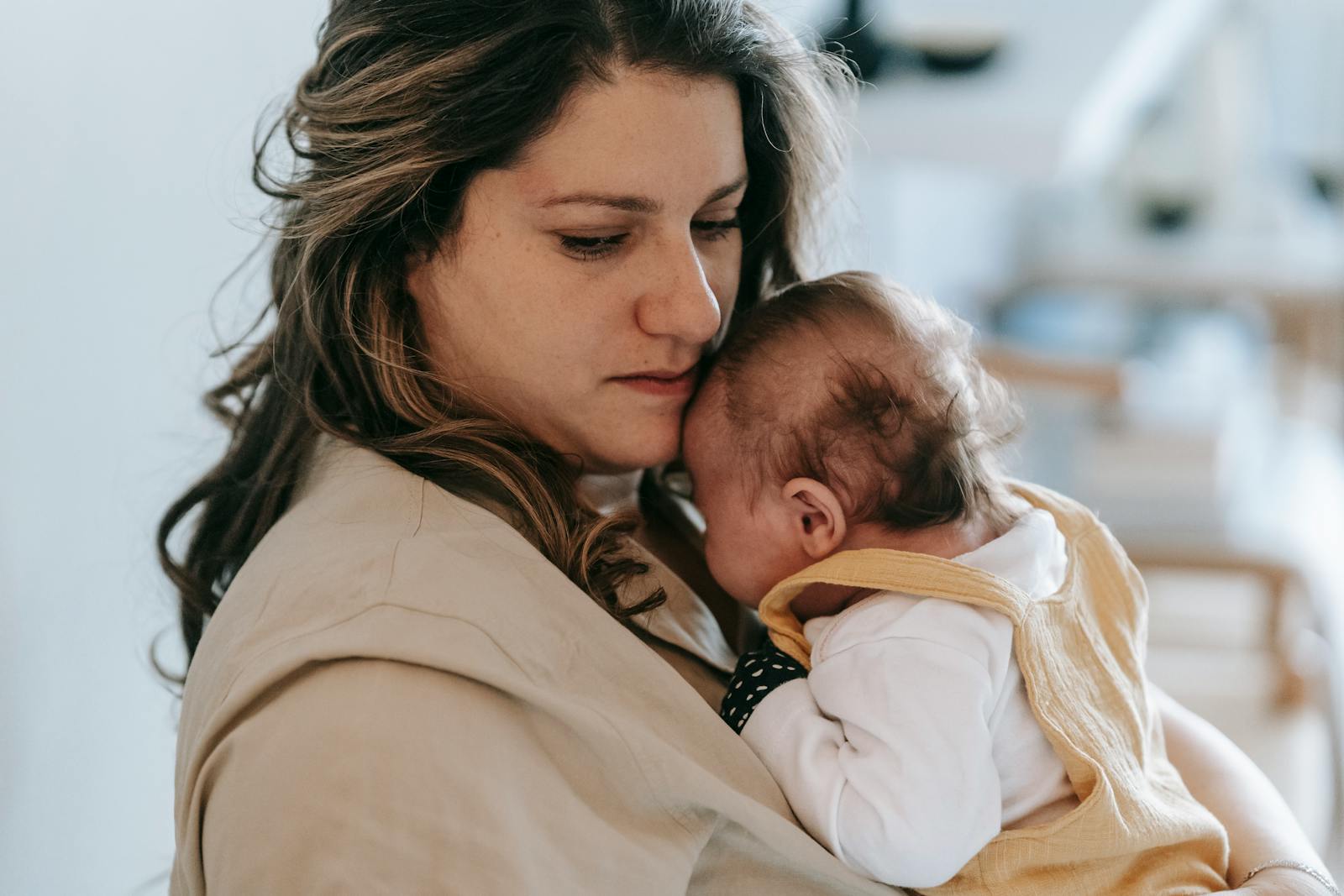
Days 10 to 14: Turning the Corner
By day 10, most babies are gaining weight. Your pediatrician will check weight at the 2-week visit, and the goal is to be back to birth weight by day 10 to 14. Most breastfed babies gain 5 to 7 ounces per week once your milk is fully established.
Things that should feel different by now:
- Latching gets easier. Your baby’s mouth is bigger. Your technique is better. The two of you are learning each other.
- Nipple pain fades. If you had early soreness, it should be improving by the end of week 2. Persistent pain means something needs fixing, usually the latch. Don’t tough it out, and don’t assume it’s thrush before you’ve ruled out the latch or a tongue tie.
- Feeds get faster. What took 45 minutes on day 3 might take 20 minutes by day 12. Your baby is getting more efficient at extracting milk.
- You start recognizing hunger cues. Rooting, lip smacking, hand-to-mouth. You’ll catch the early signs before baby gets to full-blown crying.
- Night feeds are still happening. Every 2 to 3 hours at night is normal for a 2-week-old. This isn’t a sleep problem. It’s a tiny stomach that empties fast. If you want to understand how your baby’s sleep is supposed to look beyond week 2, here’s the full newborn sleep patterns month-by-month chart.
- You can start thinking about a bottle. Days 10 to 14 is the early edge of the bottle-introduction window. Most lactation consultants suggest waiting until breastfeeding feels comfortable, then offering one bottle a day starting around week 3. Wait too long past 8 weeks and you risk bottle refusal, which is fixable but takes more work. If you haven’t bought a bottle yet, our best bottles for breastfed babies roundup ranks the wide-base slow-flow picks that work best for nursing babies. And every bottle from the first one onward should be given the paced bottle feeding way. The technique is what keeps the bottle from wrecking the latch you just spent two weeks dialing in. If baby cannot latch at all and every feed will come from a bottle, the exclusive pumping schedule by age is what actually builds and holds supply through those first 6 weeks.
When to Call Your Pediatrician
Not every hard day is a crisis, but some signs need real attention. Call right away if you see any of these:
- Your baby has fewer than 6 wet diapers per day after day 5
- No yellow stools by day 5 (still passing dark or green stools only)
- Baby is too sleepy to feed and you can’t wake them for meals
- Visible jaundice (yellow skin or eyes) that’s getting worse, not better
- Your baby hasn’t regained birth weight by the 2-week visit
- Fever over 100.4°F (38°C) in a newborn under 2 weeks
- Feeding is still painful, with cracked or bleeding nipples, after the first week
- A red, hot, painful wedge on one breast plus a fever over 101°F and flu-like body aches (that’s mastitis, and the first 24 hours matter)
If something feels off, trust that feeling. Calling your pediatrician with a question you think might be silly is always the right move. That’s what they’re there for.
And that includes your own mood. Day 5 is also the peak of the baby blues for most new moms, so if you’re sobbing for no reason this week, you’re not alone. Our guide on baby blues vs postpartum depression walks through the 2-week rule that separates normal hormone-shift tears from something that needs real help. If the loudest thing is worry you cannot switch off rather than tears, that can be postpartum anxiety instead. (The hormone story doesn’t fully end at week 2 either. Months from now, when your period returns while breastfeeding, you’ll get a smaller version of the same shift each cycle. Knowing it’s coming is half the work.)
The Thing I Wish I’d Known
The first 14 days are not a preview of the next 14 months. They’re the boot camp. The hardest, steepest, most sleep-deprived stretch. And they end.

By week 3, most moms say breastfeeding starts feeling less like a battle and more like something they can actually do. By month 2, it starts feeling normal. By month 3, a lot of moms say they genuinely enjoy it. (Once the first 14 days are behind you, the baby feeding schedule by age guide picks up where this one leaves off — typical feed counts, ounces, and gaps from week 3 through 12 months. And once the latch is steady, our breastfeeding in public guide walks through the 6 steps that turn the first outing from terrifying into forgettable.) The same is true for your body in general — our postpartum recovery timeline breaks down what heals when, and most of the deeper healing (pelvic floor, abs, hormones, sleep) happens between weeks 6 and month 12, not in the first 14 days.
You don’t have to love it right now. You just have to get through today’s feeds. Tomorrow you’ll know a little more. Your baby will latch a little better. And the whole thing will feel one notch closer to clicking.
If you need help, ask for it. An IBCLC (board-certified lactation consultant) can change your entire experience in a single visit. Most insurance covers it. The first 2 weeks are when that help matters most.
You’re doing this. And you’re doing it well.
Frequently asked questions
How often should a newborn breastfeed in the first 14 days?
At least 8 to 12 times in 24 hours, day and night. That’s roughly every 1 to 3 hours. In the first 2 days, your baby may be sleepy and harder to wake, but after day 3 you should see more active feeding cues and longer sessions.
Is it normal for breastfeeding to hurt in the first week?
Brief tenderness in the first 10 to 15 seconds of latching is common in the first week. Pain that lasts through the whole feed, cracked or bleeding nipples, or a nipple that comes out flattened means the latch is too shallow. See a lactation consultant before powering through it.
How do I know if my newborn is getting enough milk?
Track wet and dirty diapers. By day 5, you should see 6 or more wet diapers and 3 to 4 yellow, seedy stools per day. Your baby should also be calm after feeds, not frantically rooting again within minutes, and gaining weight by the 2-week checkup.
When does breast milk come in after birth?
Most moms notice their milk transitioning from colostrum between days 2 and 5 after birth. You’ll feel your breasts get noticeably fuller, heavier, and warmer. First-time moms tend to be closer to day 4 or 5. If you don’t notice any change by day 5, talk to your OB or a lactation consultant.
How much weight loss is normal for a breastfed newborn?
Most breastfed newborns lose 5 to 7 percent of their birth weight in the first few days. Up to 10 percent can still be normal depending on IV fluids during labor and other factors. Nearly all babies should be back to birth weight by day 10 to 14.
Should I wake my newborn to breastfeed?
In the first 2 weeks, yes. If your baby goes longer than 3 hours without eating during the day or 4 hours at night, wake them to feed. Sleepy newborns sometimes need encouragement. After your pediatrician confirms good weight gain, you can follow your baby’s cues instead of the clock.