
TL;DR
Fresh breast milk lasts 4 hours at room temperature, 4 days in the fridge, and 6 months in the freezer (up to 12 in a deep freeze). Use the Rule of 4s to remember the basics. Thaw in the fridge overnight or under warm running water. Never microwave it.
You pump. You label the bag. You stick it in the freezer with a small sense of accomplishment. And then at 2am you’re standing in the kitchen holding a bottle, wondering if it’s still good, what temperature it should be, and whether you just ruined a whole ounce of liquid gold by leaving it on the counter an hour too long.
Nobody tells you that breast milk storage would require this much mental overhead.
The good news is that the rules are simple once you have a framework. There’s one rule in particular that covers most of what you’ll need to know. Once it clicks, the constant second-guessing stops.
The Rule of 4s
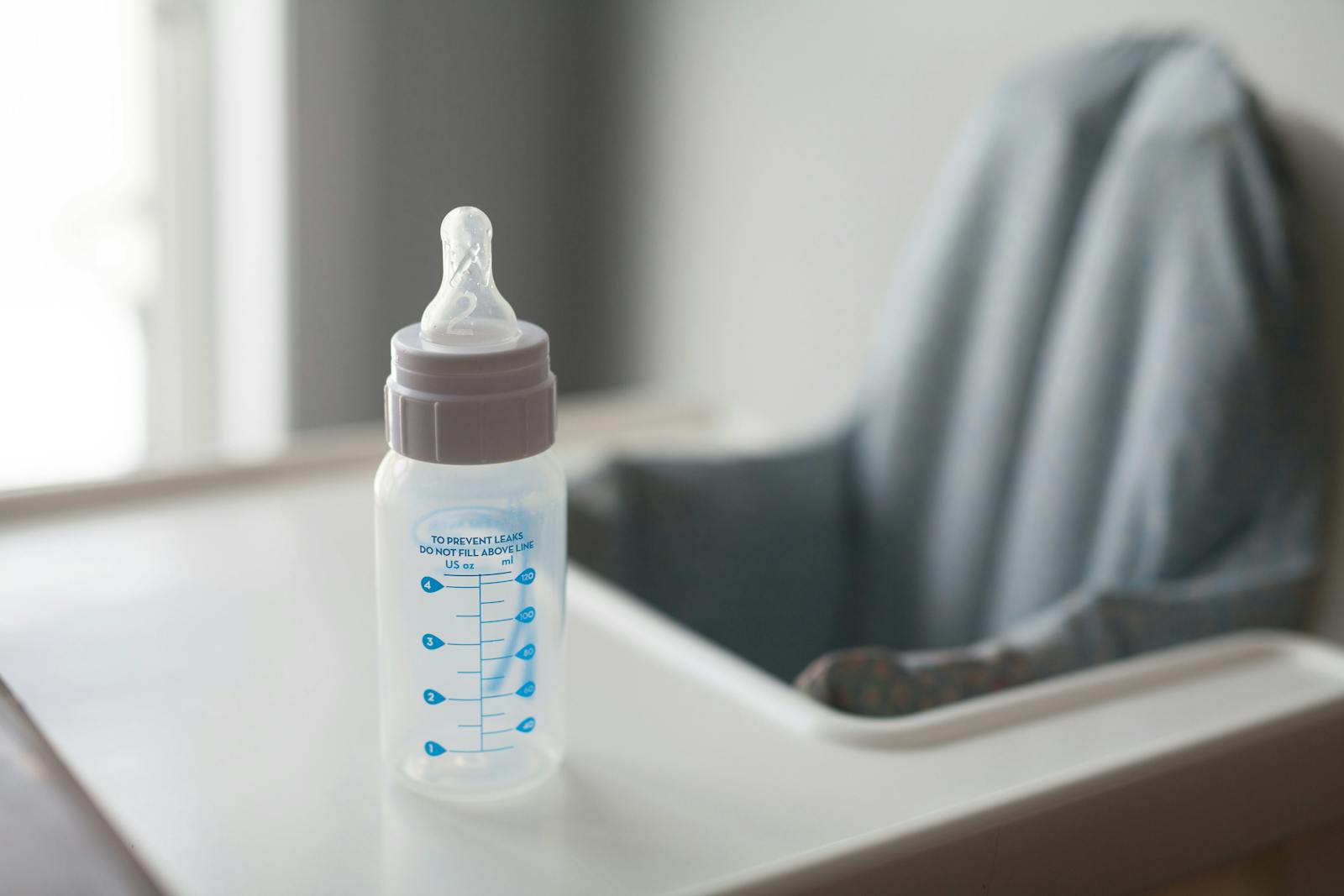
The Rule of 4s is the fastest way to remember breast milk storage guidelines: 4 hours at room temperature, 4 days in the fridge, 4 months in a standard freezer.
Most moms can hold that in their head without a chart on the fridge. Here’s the full breakdown:
| Location | Temperature | Duration |
|---|---|---|
| Room temperature | Up to 77°F (25°C) | Up to 4 hours |
| Insulated cooler with ice pack | Under 59°F (15°C) | Up to 24 hours |
| Refrigerator (back of fridge) | 40°F (4°C) or colder | Up to 4 days |
| Freezer (attached to fridge) | 0°F (-18°C) | Up to 4 months |
| Deep freeze (chest or upright) | Consistently below 0°F | Up to 12 months |
These numbers come from the CDC and the Academy of Breastfeeding Medicine. When in doubt, fresher is always better. Your baby gets more of the living cells and antibodies from fresh milk than from milk that’s been stored for weeks.
One more thing about room temperature: 4 hours is the outer limit, not the target. If your house is warmer than 77°F, cut that down to 1 to 2 hours. And if you’re returning to work and packing milk in your bag, use a proper insulated cooler with a freezer pack. That buys you up to 24 hours. The full setup for the back-to-work transition (HR email script, calendar blocks, pump bag list) lives in our pumping at work guide.
How to store breast milk (the right way)
Use clean, BPA-free containers designed specifically for breast milk — either hard-sided plastic or glass bottles, or breast milk storage bags. Regular zip bags, ziplock bags, or disposable bottle liners are not designed for freezing and can leak, crack, or allow contamination. A box of milk storage bags is one of the few breastfeeding items that earns its spot on every postpartum essentials checklist, even if you only pump once a week.
Here’s the routine that keeps your milk safe and maximizes shelf life:
- Wash your hands before pumping or handling stored milk. This one is obvious but easy to skip when you’re exhausted.
- Pour milk into a storage container immediately after pumping. Don’t let fresh milk sit in the pump parts for longer than needed.
- Label every container with the date and amount. If you’re going to daycare or leaving milk with a caregiver, add your baby’s name.
- Leave an inch of space at the top of bags before sealing. Breast milk expands when it freezes, and overfilled bags burst.
- Store bags flat in the freezer. They freeze faster and stack more efficiently once solid. Standing them upright while freezing helps them stay flat.
- Put new milk at the back, older milk at the front. First in, first out. You spent time pumping that milk — don’t let older bags get buried and expire.
- For the fridge: store in the back, not the door. The fridge door is the warmest spot and the most temperature-unstable. Back of the fridge stays coldest.
Can you combine milk from different pump sessions?
Yes, you can combine breast milk from different pumping sessions, but you need to chill the fresh milk first before adding it to stored milk. The rule is simple: never pour warm milk on top of cold milk.
When fresh, warm milk meets refrigerated milk, it raises the temperature of the stored portion and can create the conditions for bacteria to grow. Cool the fresh milk in the fridge for at least an hour, then combine it with the stored batch.
One more note on this: the clock on combined milk starts from the oldest portion. If you have day-old fridge milk and add freshly chilled milk to it, the combined container is good until the day-old expiration, not the fresher batch’s.
How to thaw frozen breast milk
Move what you need to the fridge the night before and let it thaw slowly overnight. That’s the safest, easiest method. Thawing takes about 12 hours in the refrigerator.
If you forget and need milk right now, run the sealed bag or bottle under warm (not hot) running water, turning it as it thaws. Most bags thaw this way in 20 to 30 minutes.
Never microwave breast milk. Microwaving breast milk creates uneven hot spots that can burn your baby’s mouth even if the bottle feels fine on the outside. It also degrades some of the beneficial proteins and antibodies. Not worth it.
A few more thawing rules:
Track every feed without the spreadsheet
Latchly times each side, logs pumps, and shows you the patterns. Free to start.
- Once thawed, use refrigerated breast milk within 24 hours
- Do not refreeze thawed milk
- If baby doesn’t finish the bottle, you can offer it again within 2 hours of the first feeding. After that, toss it.
- Swirl, don’t shake, to mix the separated fat layer back in. Vigorous shaking can break down some of the milk’s components.
Why does my stored breast milk smell soapy?
Some moms have elevated levels of an enzyme called lipase, which continues breaking down fat in stored milk. The result is a soapy or metallic smell, and sometimes a taste that makes babies refuse the bottle.
This is not unsafe milk. The enzyme is harmless. But if your baby is refusing bottles of stored milk and the milk smells off, excess lipase is the likely culprit.
The fix: scald your milk before storing it. Heat the freshly pumped milk in a saucepan to just below boiling (around 180°F, when you see tiny bubbles at the edge), then cool it quickly and refrigerate or freeze. Scalding inactivates the lipase. It does reduce some of the milk’s living cells, but for moms who would otherwise lose their entire freezer stash because baby won’t drink it, scalding is absolutely worth it.
If you’re building a freezer stash for the first time, test one bag of stored milk with your baby at around week 2 or 3, before you’ve pumped 100 bags. That way you find out early if you need to add the scalding step.
Building a freezer stash before going back to work

If you’re heading back to work, you do not need a huge freezer stash. A week’s worth of daily bottles is a practical target for most moms. That said, starting early, even just adding one pumping session a day in the first few weeks, makes a big difference. Not sure when or how often to pump? Our pumping schedule guide walks you through 5 schedules based on your situation. Still shopping a wearable pump? Our best hands-free breast pumps roundup ranks the 7 worth buying by suction strength and supply protection.
The best time to pump for a stash is first thing in the morning, right after your baby’s first feed. Prolactin (the hormone that drives milk production) is highest in the early morning, and your supply is typically fullest then. Even 1 to 2 ounces per morning session adds up to 7 to 14 ounces a week.
If you’re trying to increase your milk supply at the same time, the morning pump session is your best friend. Read our full guide on supply-boosting strategies for what else actually works.
For moms who’ve just started pumping, night feeds can feel like a major obstacle to getting any rest. But pumping at night when prolactin is high can also give your stash a meaningful boost if you’re willing to add one session.
When to call your pediatrician or lactation consultant
Call if you’re seeing these things:
- Your baby is consistently refusing stored milk and you’ve ruled out excess lipase (scalded milk + still refusing)
- Your baby shows signs of a reaction after a bottle — rash, vomiting, extreme fussiness
- You’re unsure whether milk has gone bad and your baby has already had some of it
- You’re returning to work and worried about whether you have enough stored
A lactation consultant can also help you troubleshoot pump output, combining sessions, and anything else about your storage system that isn’t working.
The thing I wish I’d known

The 2am storage math isn’t worth doing in your head every time. Write the Rule of 4s on a sticky note. Keep it on the fridge or near the pump. For the first few months, half the mental load of breastfeeding is just knowing that you don’t have to remember everything in the middle of the night.
The other thing: every ounce you pump and store is real. It counts, even when the output is small, even when your baby seems uninterested, even when the whole system feels more complicated than it should.
Apps like Latchly let you log each pumping session with the time, ounce count, and notes, so you always know exactly what’s in your fridge or freezer without keeping a spreadsheet in your head. When you’re operating on fragmented sleep, removing that one mental tab is worth more than it sounds.
You’re doing great. One labeled bag at a time.
Frequently asked questions
How long can breast milk sit out at room temperature?
Freshly pumped breast milk is safe at room temperature (up to 77°F) for 4 hours. If you’re in a warmer room, use it sooner. The Rule of 4s is the easiest way to remember: 4 hours out, 4 days in the fridge, 4 months in a standard freezer.
How long does breast milk last in the fridge?
Refrigerated breast milk stays good for up to 4 days when stored in the back of the fridge, not the door. After 4 days, move it to the freezer or toss it. If it smells sour or rancid (not just different from cow’s milk), toss it.
Can you combine breast milk from different pumping sessions?
Yes, but chill both portions first before combining them. Never pour warm fresh milk directly into a container of cold stored milk — the temperature difference can create bacterial growth. Cool the fresh milk in the fridge for at least an hour, then combine.
How do you thaw frozen breast milk?
The safest ways are: move it to the fridge the night before (thaws in 12 hours), or hold it under warm running water. Never microwave frozen breast milk — microwaving creates hot spots that can burn your baby’s mouth and destroys some of the milk’s protective properties.
How do you know if stored breast milk has gone bad?
Give it a sniff. Breast milk that has gone bad smells sour or rancid, similar to spoiled cow’s milk. Note that some moms have excess lipase in their milk, which makes stored milk smell soapy — this is harmless but babies sometimes refuse it. Scalding the milk before freezing prevents this.
Can you refreeze thawed breast milk?
No. Once breast milk has been thawed, it must be used within 24 hours and cannot be refrozen. If your baby didn’t finish a bottle of thawed milk, you can offer it again within 2 hours. After that, toss it.