
TL;DR
Most birth control is safe for your baby while breastfeeding. The real question is your milk supply. Methods with estrogen (the combo pill, patch and ring) can lower supply, so most moms start with a progestin-only or non-hormonal method. If you want something long-term like the implant or the shot, try the mini-pill for a month first to see how your supply reacts.
You just had a baby, and someone at your checkup asked, “So, what are you doing for birth control?” You blinked. You haven’t slept more than 3 hours in a row. Sex is the last thing on your mind. But now you’re wondering: will the pill mess with my milk? Can I even get pregnant right now?
First, the part that will feel familiar: you finally got breastfeeding working, and you’re scared of anything that might break it. I get it. You fought hard for that supply. The good news is that you have a lot of choices, and most of them won’t touch your milk at all. You just need to know which ones are which, and how to test one before you lock it in.
Can you get pregnant while breastfeeding?

Yes, you can. Breastfeeding does push your fertility back, because the hormone that makes milk also slows down ovulation. But it isn’t a sure thing, and it fades as your baby feeds less often.
Here’s the part that surprises most moms. You ovulate before your first period, not after it. So your first sign that your fertility is back might be a positive pregnancy test. If you’ve been waiting to “see your period first,” you could miss the window. (More on that in our guide to when your period comes back while breastfeeding.)
The 3 rules for breastfeeding as birth control
There is a real method called the lactational amenorrhea method, or LAM. It’s about 98% effective, but only when all 3 of these are true:
- Your baby is under 6 months old.
- You’re breastfeeding exclusively, day and night. No regular formula, no long stretches. A common guide is no more than 4 hours between feeds in the day and 6 hours at night.
- Your period hasn’t come back. Any bleeding after 8 weeks postpartum counts.
The moment one of those changes, LAM stops working. Baby starts sleeping 8 hours? Back at work and pumping less? Started solids? Time for a backup.
Why birth control matters for your milk supply
Birth control is safe for your baby in almost every case. Only a tiny amount of hormone gets into your milk, and it hasn’t been shown to harm babies. The real question isn’t your baby. It’s your supply.
Here’s why the type matters:
- Estrogen can lower milk supply. Estrogen works against prolactin, the hormone that makes milk. Methods with estrogen in them (the combo pill, the patch and the ring) have been linked to lower supply and to moms weaning sooner.
- Progestin-only methods are gentler. Most moms see no change at all on them. But a small number of moms do notice a dip, especially in the first few weeks after birth or if supply was already shaky.
- Non-hormonal methods don’t touch supply. Condoms, the copper IUD and a diaphragm have zero effect on your milk.
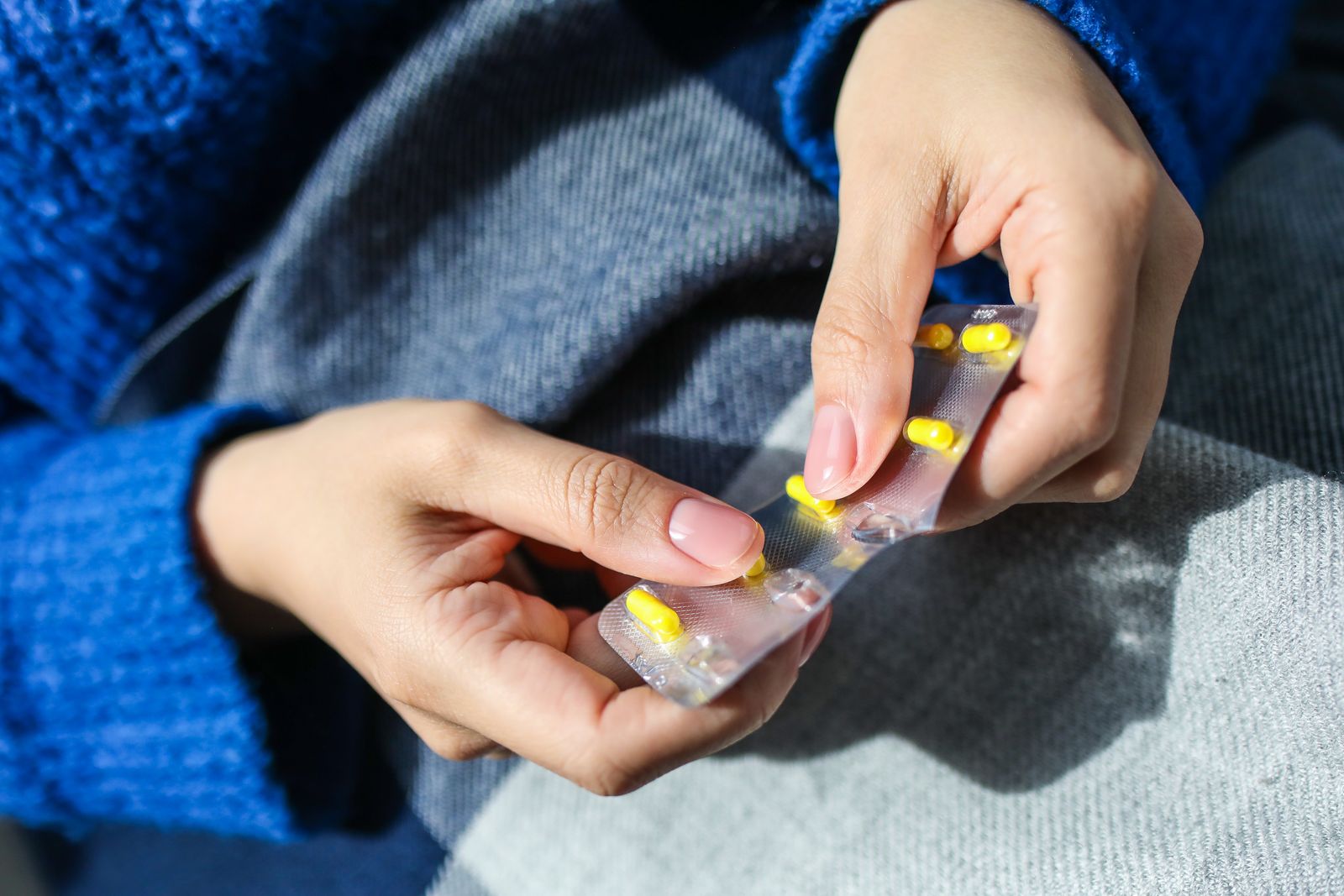
Timing matters too. Your supply is still settling in the first 4 to 6 weeks. Hormones that are fine at 4 months can hit harder at 2 weeks. That’s why many lactation consultants suggest waiting until breastfeeding feels steady before starting a hormonal method, even a progestin-only one, if you can.
Birth control options while breastfeeding, from safest to riskiest for supply
Here’s the full list, sorted by how likely each one is to affect your milk.
No effect on supply
- Copper IUD (Paragard). No hormones at all. Lasts up to 10 to 12 years. It can go in right after delivery or at your postpartum visit. Some moms get heavier periods with it.
- Condoms. No hormones, no appointment, and they protect against infections. About 87% effective in real life, so use them every time.
- Diaphragm or cervical cap. You’ll need a new fitting after birth, usually after 6 weeks, because your cervix changes size.
- Tubal ligation or vasectomy. Permanent. A vasectomy for your partner is quick and has no effect on you at all.
Rarely affects supply (progestin-only)
- Hormonal IUD (Mirena, Kyleena, Liletta, Skyla). The hormone stays mostly local, so very little reaches your blood. Most moms see no supply change. Lasts 3 to 8 years.
- Mini-pill. The classic one (norethindrone) must be taken within the same 3-hour window every day. A newer one (drospirenone, sold as Slynd) gives you a 24-hour window, which is kinder to tired brains.
- Implant (Nexplanon). A small rod in your upper arm. Lasts 3 years and is over 99% effective. It can be removed if supply drops, but that means another appointment.
- The shot (Depo-Provera). Lasts 3 months. It is progestin-only, so it’s safe for baby, but it can’t be stopped early. If your supply dips, you wait it out.
Most likely to affect supply (estrogen)
- Combination pill.
- The patch.
- The ring.
These aren’t off-limits forever. Many moms use them later on, once supply is well set or baby is eating solids. But they’re the methods most tied to a drop in milk, so they aren’t the usual first pick. Medical guidelines say to avoid them in the first 3 to 4 weeks after birth no matter what, partly because of blood clot risk.
How to start birth control without losing your milk, step by step

1. Tell your provider supply is your top priority. Say it out loud at your visit. “I’m breastfeeding, and I want a method that won’t affect my milk.” Some providers default to the combo pill unless you ask.
2. Pick a backup for the early weeks. Condoms work right away and buy you time while you decide. You don’t have to choose a long-term method at your 6-week visit.
3. Try the mini-pill for a month before a long-acting method. Thinking about the shot or the implant? Take the mini-pill first. If your supply stays steady for 4 weeks, the same hormone in a longer-lasting form is very likely fine.
Track every feed without the spreadsheet
Latchly times each side, logs pumps, and shows you the patterns. Free to start.
4. Watch your supply for 2 to 4 weeks after you start. Count wet diapers (6 or more a day after the first week), watch baby’s weight, and notice if baby seems hungrier or fussier at the breast. If you pump, track your ounces.
5. Wait on estrogen until supply is solid. If you want the combo pill, patch or ring, most experts suggest waiting at least 6 weeks. Many moms wait until 6 months, when baby starts solids and depends less on milk alone.
6. Know how you’ll stop if supply dips. The pill is easy: stop taking it. An IUD or implant needs an appointment to remove. The shot can’t be undone for 3 months. Choose with that in mind.
7. Act fast if supply drops. Stop the method (or call your provider), feed or pump more often for a few days, and add a power pumping session if you pump. Most moms see supply bounce back within a week or two once the cause is gone.
Signs your birth control is lowering your milk supply
Watch for these in the first few weeks of any new hormonal method:
- Fewer wet diapers than usual, or darker pee.
- Baby is fussier at the breast, pulls off, or wants to feed much more often.
- Baby’s weight gain slows at a checkup.
- Pump output drops by a noticeable amount and stays down for more than a few days.
- Your breasts feel softer and less full than they did before you started.
One soft day isn’t a pattern. Look for a trend over 3 to 5 days. If you’re not sure, our guide to knowing if your baby is getting enough milk walks through the real signs. And if supply does dip, our tips to increase your milk supply can help you rebuild.
Emergency contraception while breastfeeding
Plan B is safe while breastfeeding. The levonorgestrel morning-after pill (Plan B One-Step and its store brands) is progestin-only. You can take it and keep nursing as normal. It works best within 3 days, and the sooner the better.
Ella (ulipristal) is different. Its label has advised a 1-week break from breastfeeding after taking it (you can pump and toss to keep supply up), though newer research suggests a shorter break may be fine. Ask your pharmacist before you take it. A copper IUD placed within 5 days also works as emergency birth control and has no effect on supply.
What if you get pregnant while breastfeeding?
It happens, and you don’t have to wean. Most moms can keep nursing through a healthy pregnancy. Your supply will likely drop around the middle of pregnancy, and your milk may change taste, so some babies wean on their own. Our guide to breastfeeding while pregnant covers what to expect.
When to call your provider
Call your doctor, midwife or lactation consultant if:
- Your supply drops after starting a new method and doesn’t recover within a week of stopping it.
- Baby has fewer than 6 wet diapers a day or seems to be losing weight.
- You have heavy bleeding, bad cramping or pelvic pain after an IUD is placed.
- You can’t feel your IUD strings or think it may have moved.
- You have leg pain or swelling, chest pain or a sudden bad headache on an estrogen method. These can be signs of a blood clot and need care right away.
- You think you might be pregnant.
The thing I wish I’d known

I wish someone had told me this wasn’t an either-or choice. You don’t have to pick between protecting your body and protecting your milk. You can have both.
You also don’t have to decide everything at your 6-week visit. It’s okay to say, “Condoms for now, and let’s try the mini-pill next month.” It’s okay to change your mind if a method doesn’t feel right. And if your supply dips, that’s information, not failure. You stop, you rebuild, you try something else.
Your next step is simple. Before your postpartum visit, write down one sentence: “I’m breastfeeding and I want to protect my supply.” Hand it to your provider if you’re too tired to say it. Then pick the method that fits your life, not the one someone picked for you.
Frequently asked questions
What is the best birth control while breastfeeding?
There’s no single best one, but the safest picks for milk supply are the copper IUD, condoms, and progestin-only methods like the mini-pill, hormonal IUD and implant. Pick the one that fits how you live, and start with something easy to stop if you’re worried about supply.
Does birth control affect milk supply?
It can. Methods with estrogen, like the combo pill, patch and ring, are linked to lower milk supply for some moms. Progestin-only methods don’t lower supply for most moms, but a small number do notice a dip. Non-hormonal methods don’t touch supply at all.
Can you get pregnant while breastfeeding before your period comes back?
Yes. You ovulate about 2 weeks before your first period, so you can get pregnant before you ever see it. Breastfeeding only works as birth control if you meet all 3 rules: baby under 6 months, exclusive breastfeeding day and night, and no period yet.
When can I start birth control after giving birth if I'm breastfeeding?
Progestin-only methods and the copper IUD can be started any time after birth, even in the hospital. Estrogen methods should wait until at least 4 to 6 weeks, and many moms wait longer, until supply is settled. Ask your provider which timing fits you.
Is the Depo shot safe while breastfeeding?
The shot is progestin-only, so it is considered safe for your baby. The catch is that it lasts 3 months and can’t be stopped early. If your supply dips, you’re stuck with it. Try the mini-pill first to see how your body reacts.
Is Plan B safe while breastfeeding?
Yes. The levonorgestrel morning-after pill (Plan B and its generics) is safe while breastfeeding, and you can keep nursing as normal. The other kind, ulipristal (ella), has different advice, so ask your pharmacist or provider before taking it.