
TL;DR
Breastfeeding aversion is a wave of skin-crawling, itchy, angry or trapped feelings that hits while your baby nurses, then fades when the feed ends. It's common, it's not your fault, and it doesn't mean you love your baby any less. Hormones, your cycle, pregnancy, sleep loss and being touched out can all trigger it. Distraction, shorter feeds, fixing pain and setting a few limits help most moms.
Your baby latches, and within a few seconds your skin starts to crawl. You feel itchy, hot, trapped. Sometimes it’s anger, sudden and sharp, and all you want is for your baby to get off you. Then the feed ends and the feeling just leaves. And you sit there wondering what kind of mom feels like that about feeding her own baby. A normal one. This has a name, it’s more common than you think, and there are real ways to make it easier.
First, the part that will feel familiar: you love your baby so much it hurts, and you still had to grip the arm of the couch to stay put through that last feed. Both of those are true at once. Nobody warned you about this one, so let’s talk about it plainly.
What is breastfeeding aversion?

Breastfeeding aversion is a wave of negative feelings that hits while your baby is nursing. Researchers sometimes call it breastfeeding aversion and agitation, or BAA. Moms describe it in a lot of different ways:
- Skin crawling or itching, like bugs under your skin
- Sudden anger, irritation or rage
- Feeling trapped, tense or panicky
- A strong urge to unlatch your baby right now
- Guilt and shame right after
The feelings usually start soon after your baby latches and last for the whole feed. When your baby comes off, they fade fast. That pattern is one of the clearest signs that what you’re feeling is aversion and not something bigger.
It is not a sign that you don’t love your baby. It is not a sign you are “bad at” breastfeeding. Moms who feel it often love nursing the rest of the time.
Breastfeeding aversion vs D-MER
These two get mixed up a lot, so here’s the quick way to tell them apart.
D-MER (dysphoric milk ejection reflex) is short and sad. It’s a wave of dread, sadness or emptiness that hits right at letdown and lasts about 30 to 90 seconds. Then it lifts, even though your baby is still nursing. We cover it in things nobody tells you postpartum.
Breastfeeding aversion is longer and angry. It’s more agitation, irritation and skin crawling, and it often lasts until your baby unlatches.
Some moms get both. If yours is a short, sad dip at letdown, it’s more likely D-MER. If it’s a whole-feed “get off me” feeling, it’s more likely aversion.
Why breastfeeding aversion happens

No one knows the exact cause yet. The research is still new. But moms who feel it tend to share some of the same triggers:
- Your period or ovulation. Lots of moms notice aversion spikes in the days before their period or around ovulation. If your period came back while breastfeeding and aversion showed up at the same time, that’s likely why.
- Being pregnant. Aversion is very common when breastfeeding while pregnant, often from the first trimester.
- Nursing an older baby or toddler. Longer, busier, more frequent feeds seem to trigger it more.
- Sleep loss. Running on broken sleep makes your whole nervous system jumpy.
- Hunger and thirst. Low blood sugar and dehydration make agitation worse for a lot of moms.
- Pain. A shallow latch, sore nipples or teething bites keep your body on high alert.
- Being touched out. By 7pm, after a day of being climbed on, one more feed can feel like too much.
How to cope with breastfeeding aversion, step by step
These won’t all work for you. Try a couple and keep the ones that help.
1. Find your trigger. For one week, jot down when the aversion is worst. Note the time, how you slept, whether you ate, and where you are in your cycle. Most moms see a pattern fast. Once you know it’s “the 3 days before my period” or “the 5pm feed,” it feels less scary and easier to plan around.
2. Distract your brain. This is the tip moms say helps most. Scroll your phone, watch a show, play a word game, listen to a podcast or call a friend. Some moms count, hum or do slow breathing. Giving your brain a job seems to turn down the volume on the crawling feeling.

3. Eat and drink before you sit down. Keep a snack and a big water bottle where you nurse. Have a few bites and sips before you latch. Plenty of moms find aversion is worse on an empty stomach.
Track every feed without the spreadsheet
Latchly times each side, logs pumps, and shows you the patterns. Free to start.
4. Fix any pain. If nursing hurts, your body is already braced. Check for a shallow latch (the deep latch guide walks through it), sore nipples or biting. Getting the pain gone often takes the edge off the aversion too.
5. Shorten the feed. You don’t have to white-knuckle a 30 minute feed. Try counting slowly to 10 or 20 at the end, then gently unlatch with a finger in the corner of your baby’s mouth. Older babies often get plenty in 5 to 10 minutes. Knowing there’s an end point makes the middle easier to get through.
6. Stop the twiddling. Older babies love to pinch, stroke or twiddle the other nipple, pull your hair or kick. For a lot of moms that’s the real trigger. Hold your baby’s busy hand, give them a toy or a nursing necklace, or wear a top that covers the other side.
7. Set the limits you need. It’s okay to change how you breastfeed so it feels better for you. You can drop one feed that’s always the worst, night wean an older baby, offer a bottle of pumped milk for one feed, or use “don’t offer, don’t refuse” with a toddler. Small limits often make the feeds you keep feel much calmer.
What if it doesn’t get better?

For many moms, aversion comes and goes. It might flare for a few days each cycle, then calm down. It might ease once a pregnancy moves along, once sleep gets better, or once your baby nurses less often.
If it keeps getting worse and nothing helps, you are allowed to stop. Some moms cut back to one or two feeds a day and feel much better. Some moms wean fully. If you do, go slowly so you don’t get sore or clogged. The step-down weaning plan shows how to drop one feed at a time. Your baby will be fine, and a calmer you counts for a lot.
Before you decide, it can help to talk to a lactation consultant (IBCLC). They hear about aversion all the time and can help you find a plan that fits.
When to call your doctor
Aversion that fades when the feed ends is usually not a medical problem. But call your doctor or midwife if:
- The anger, sadness or panic shows up outside of feeds too
- You feel hopeless, numb or flat most days
- You snap at people in a way that scares you (see postpartum rage)
- You can’t sleep even when your baby sleeps
- You have scary thoughts that won’t go away
- You have any thought of harming yourself or your baby
If you’re ever worried you might hurt yourself or your baby, call or text 988 (in the US) or go to the nearest emergency room. Postpartum depression, anxiety and rage are common and very treatable.
The thing I wish I’d known
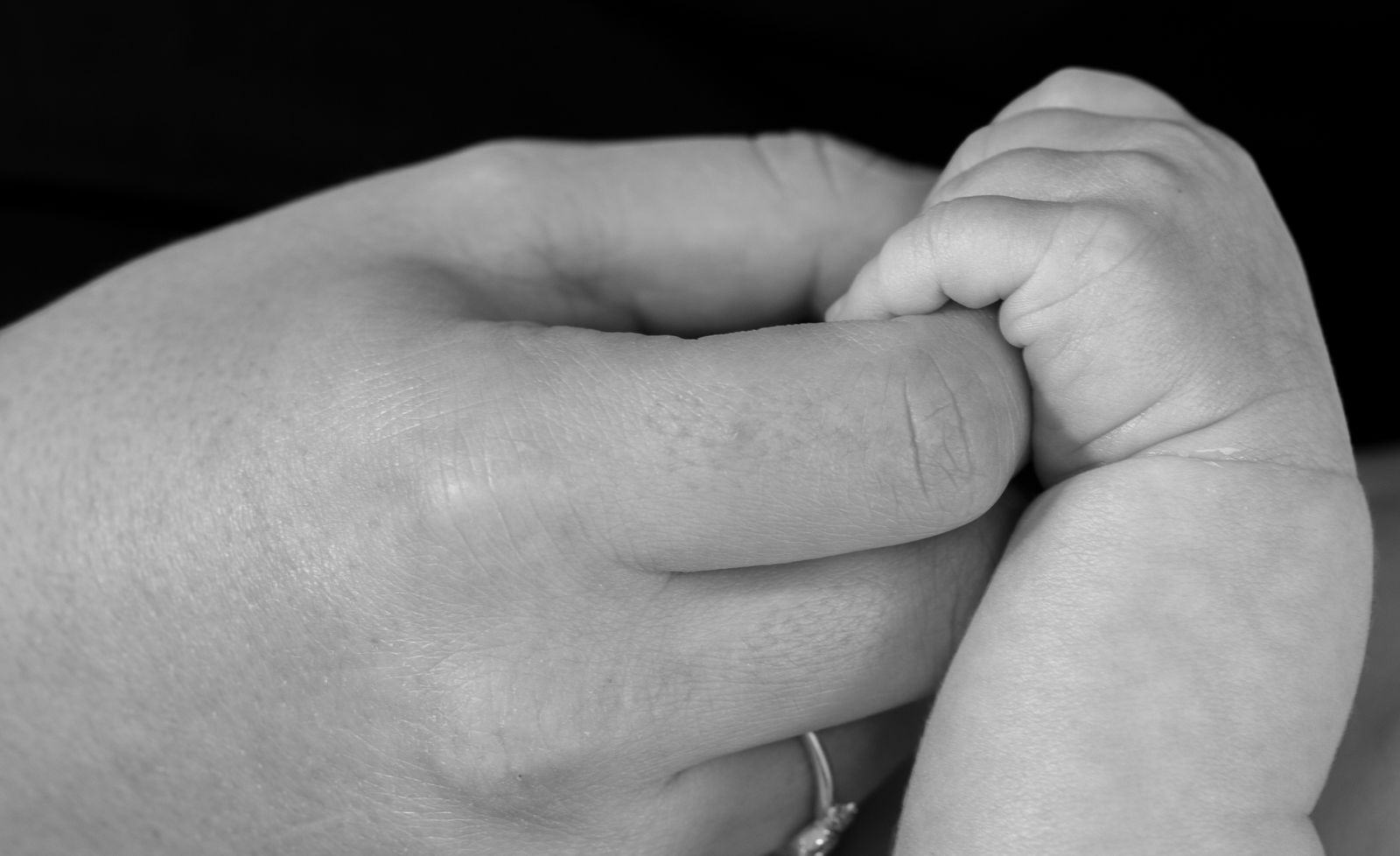
I wish someone had told me that a feeling during a feed is just that: a feeling. It doesn’t tell the truth about how much you love your child. Moms with breastfeeding aversion are not cold or selfish. They are often the ones trying hardest, nursing through it because they care so much.
You don’t need to push through in silence. Tell your partner what’s going on, so they can bring the snack or take the next feed. Tell your IBCLC. Tell a friend who nursed.
Your next step is small. Tonight, before your next feed, grab water, a snack and your phone, and write down the time. That’s how you start finding your trigger. You’ve got this, and you’re not alone in it.
Frequently asked questions
What is breastfeeding aversion?
Breastfeeding aversion is a strong negative feeling that shows up while your baby is latched. Moms describe it as skin crawling, itching, anger, agitation or an urge to pull baby off. It usually lasts for the whole feed and fades soon after the baby unlatches.
Is breastfeeding aversion the same as D-MER?
No. D-MER is a quick wave of sadness, dread or emptiness right at letdown that lasts a minute or two. Breastfeeding aversion is more like anger or agitation, and it often lasts the whole feed. Some moms have both.
What causes breastfeeding aversion?
No one knows the exact cause yet. Common triggers are your period or ovulation, being pregnant while nursing, nursing an older baby or toddler, poor sleep, hunger, nipple pain and being touched out by the end of the day.
Does breastfeeding aversion mean I should stop breastfeeding?
Not unless you want to. Many moms keep nursing once they find their triggers and a few coping tricks. If it doesn’t ease and you feel worse every feed, cutting back or weaning is a fine choice too.
Can breastfeeding aversion happen with a newborn?
It can, but it’s more common after the first few months, especially when your period returns, you get pregnant again, or your baby is older and nursing a lot. It can show up at any stage.
When should I talk to a doctor about breastfeeding aversion?
Call your doctor if the anger or sadness spills outside of feeds, if you feel hopeless most days, or if you have any thoughts of harming yourself or your baby. Those can be signs of postpartum depression, anxiety or rage, which are treatable.