TL;DR
Postpartum night sweats are normal. Your estrogen drops fast after birth and your body dumps the extra fluid it held during pregnancy. They peak in the first 2 weeks and fade by about 6 weeks for most moms, but breastfeeding can keep them going a bit longer. Call your provider if you also have a fever, chills, a hot red spot on your breast, or sweats that still drench you after 3 months.
It’s 3am. You wake up to feed the baby, and your pajamas are soaked through. The sheets are damp. Your hair is stuck to your neck. You think, did I spike a fever? Is something wrong with me? Nobody mentioned this part.
First, the part that will feel familiar: you peel off your wet shirt in the dark, grab a dry one, and lie back down on a damp pillow, too tired to deal with it. Here’s the good news. For almost every mom, this is a normal, short-lived part of recovery. Below is why it happens, how long it lasts (including if you’re breastfeeding), how to sleep drier tonight, and the few signs that mean you should call.
What are postpartum night sweats?
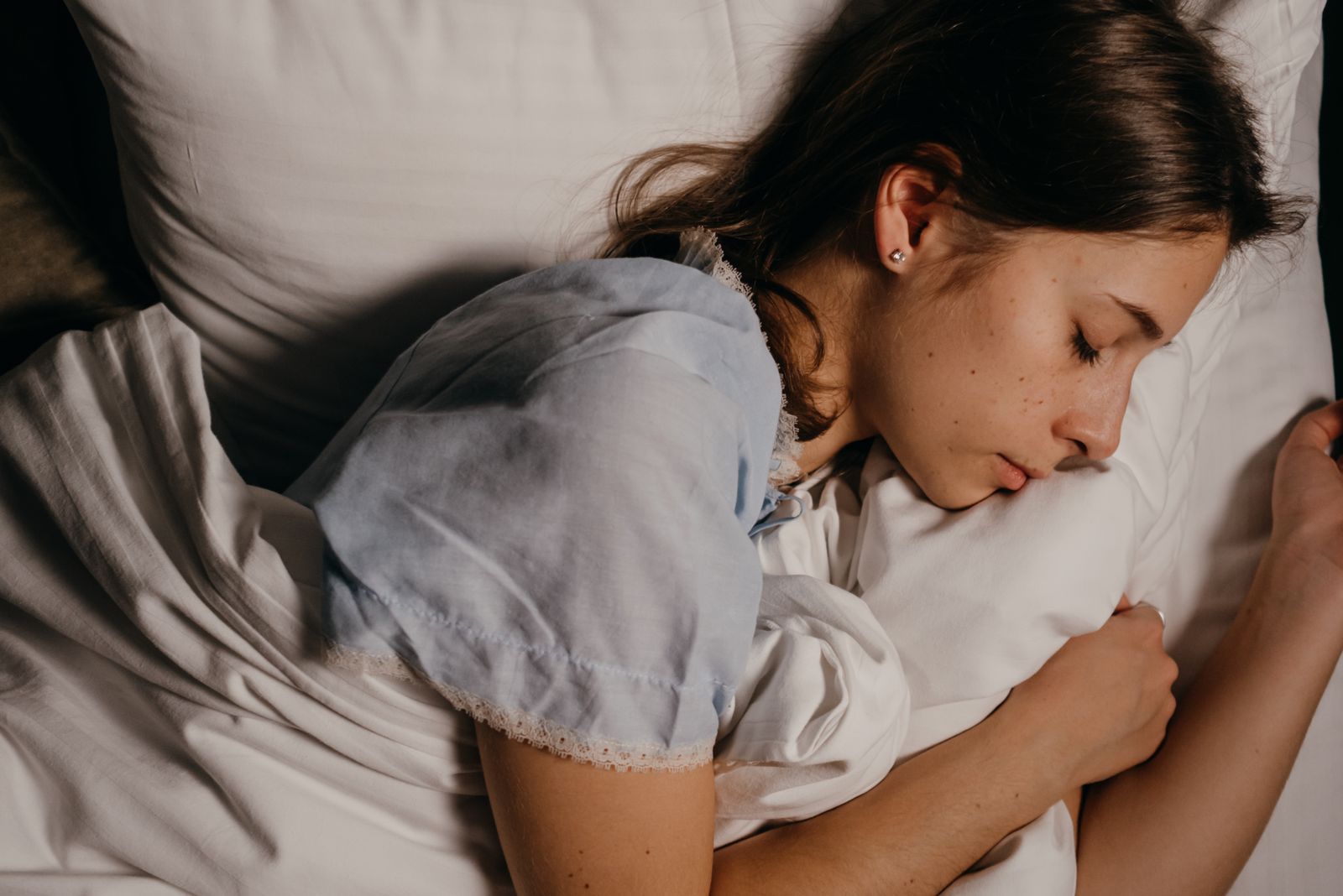
Postpartum night sweats are heavy sweating while you sleep in the weeks after birth. Not a little clammy. Soaked. Many moms change their shirt once or twice a night, and some wake up in a wet spot on the sheets.
They’re very common. Most moms get them to some degree, whether you had a vaginal birth or a C-section, and whether you breastfeed or not. You might also notice you’re peeing a lot more than usual. That’s part of the same process.
Sweats can show up during the day too, as hot flashes. But night is when they hit hardest, partly because you’re under covers and partly because your hormone levels swing overnight.
Why do you sweat so much after giving birth?
There are two big reasons, and they work together.
- Your estrogen drops fast. During pregnancy, the placenta makes huge amounts of estrogen. Once it’s delivered, that estrogen falls off a cliff in a few days. Low estrogen confuses the part of your brain that sets your body temperature, so it thinks you’re too hot and turns on the sweat. It’s a lot like a menopause hot flash.
- Your body is dumping extra fluid. Your blood volume went up by almost half during pregnancy. Add in any IV fluids from labor, and you have a lot of water to get rid of. Your body does it two ways: sweat and pee.
Breastfeeding adds a third reason. Prolactin, the hormone that makes milk, keeps estrogen low for as long as you’re nursing often. Many moms also feel a rush of heat during let-down. So if you’re breastfeeding, the sweats may stick around a bit longer than for a mom who isn’t.
How long do postpartum night sweats last?
For most moms, the sweats peak in the first 1 to 2 weeks and fade by about 6 weeks. Here’s a rough timeline:
- Days 2 to 5: They often start here, around the same time your milk comes in.
- Weeks 1 to 2: The peak. This is when you’re most likely to wake up drenched.
- Weeks 3 to 6: They taper. You may get a sweaty night here and there.
- Months 2 to 3: If you’re breastfeeding, milder sweats can hang on. Most moms are done by 3 months.
They can also come back for a short time. Two common triggers:
- When your period returns. The hormone swings around your cycle can bring a few sweaty nights each month at first. (More on that in our guide to your period while breastfeeding.)
- When you wean. Stopping breastfeeding is another big hormone shift. Some moms get a few weeks of sweats or hot flashes. Going slowly with a step-down weaning plan can make it gentler.
If you want to see where sweats fit with everything else your body is doing, our postpartum recovery timeline lays it out week by week.
How to manage postpartum night sweats, step by step
You can’t switch the sweats off. They stop on their own once your hormones settle. But you can make the nights a lot less miserable.
1. Sleep on a towel. Lay a big bath towel or a waterproof pad over your side of the bed. When it’s wet, pull it off and you’ve got dry sheets underneath. No 3am bed change.
2. Keep a dry set by the bed. Put a spare shirt, a spare pillowcase and a fresh nursing bra on your nightstand. Swap fast, then go back to sleep.
3. Wear breathable fabric. Pick loose cotton or bamboo pajamas. Skip fleece and polyester, which trap heat. A button-front top makes night feeds easier too.
Track every feed without the spreadsheet
Latchly times each side, logs pumps, and shows you the patterns. Free to start.
4. Cool the room down. Aim for about 65 to 68°F. Use a fan, crack a window, or use lighter layers you can kick off. Your baby should still be dressed for the room, not for you.
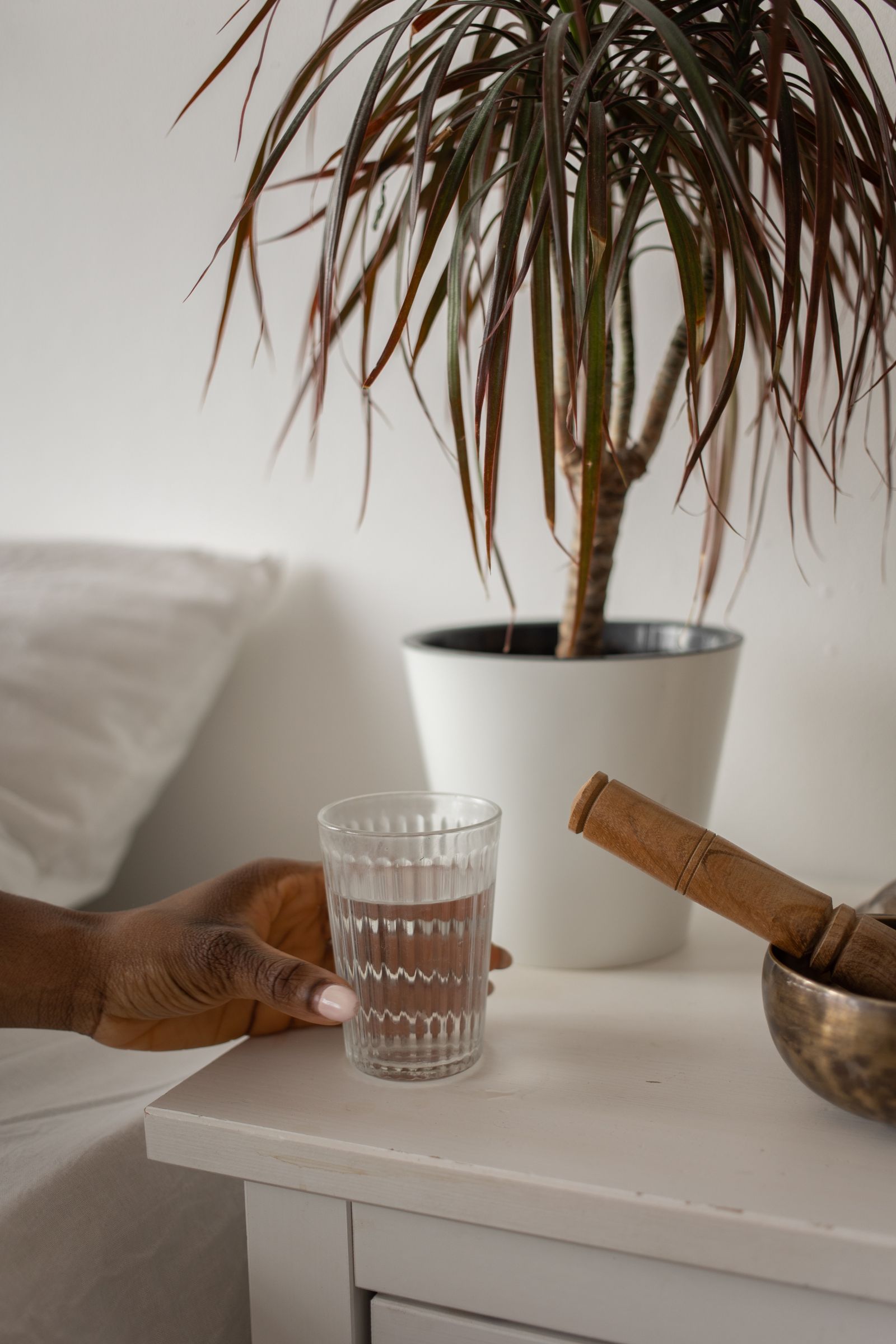
5. Drink water, don’t cut back. You’re losing fluid through sweat and milk. Keep a big water bottle by the bed and drink when you’re thirsty. Pale yellow pee means you’re getting enough.
6. Go easy on triggers before bed. Hot drinks, spicy food, alcohol and a lot of caffeine late in the day can all make sweats worse. A lukewarm shower before bed helps some moms.
7. Protect your skin. Sweat plus a nursing pad can lead to rashes under the breasts. Change damp pads often, and let your skin air-dry after feeds.
Can you breastfeed with night sweats?
Yes. Night sweats don’t hurt your milk or your baby. They’re a sign of normal hormone changes, not a problem with your supply. You don’t need to stop nursing or change anything about how you feed.
Two things that help:
- Drink before you nurse. Keep water next to your feeding spot. Many moms get thirsty the moment let-down starts.
- Don’t panic about supply. Sweating doesn’t drain your milk. As long as your baby has plenty of wet diapers and is gaining, your supply is fine. Our guide on how to tell if your baby is getting enough milk walks through the signs.
Night sweats or something else?
Most postpartum sweats are hormones. But a few other things can cause sweating after birth, and they need a different fix.
- Infection. A fever with sweats can point to an infection in the uterus, a C-section incision, your bladder, or your breast. A hot, red, sore spot on one breast with chills is a classic sign of mastitis. Our mastitis guide covers what to do.
- Postpartum thyroiditis. About 1 in 20 moms get an inflamed thyroid in the first year. Early on it can make you sweaty, shaky and jittery, with a fast heartbeat and weight dropping off fast. It’s easy to miss because it looks like “just new mom life.” A simple blood test checks it.
- Anxiety. Waking up sweaty with a pounding heart and racing thoughts can be panic, not hormones. If your mind won’t settle even when the baby sleeps, read our guide to postpartum anxiety and bring it up with your provider.
- Medicine. Some antidepressants and other meds list sweating as a side effect. Ask your pharmacist if you’ve started something new.
When to call your doctor
Call your OB, midwife or doctor if night sweats come with any of these:
- A fever of 100.4°F (38°C) or higher, or shaking chills
- A hot, red, painful spot on your breast
- Bad-smelling discharge or bleeding that gets heavier instead of lighter
- Redness, swelling or pus around a C-section incision
- Pain or burning when you pee
- A racing heart, shakiness, or weight loss you can’t explain
- Sweats that still drench you after 3 months, or that start again months after they stopped
- Panic, dread or racing thoughts that won’t let you sleep
If you have chest pain, trouble breathing, or feel like you might pass out, call 911.
The thing I wish I’d known
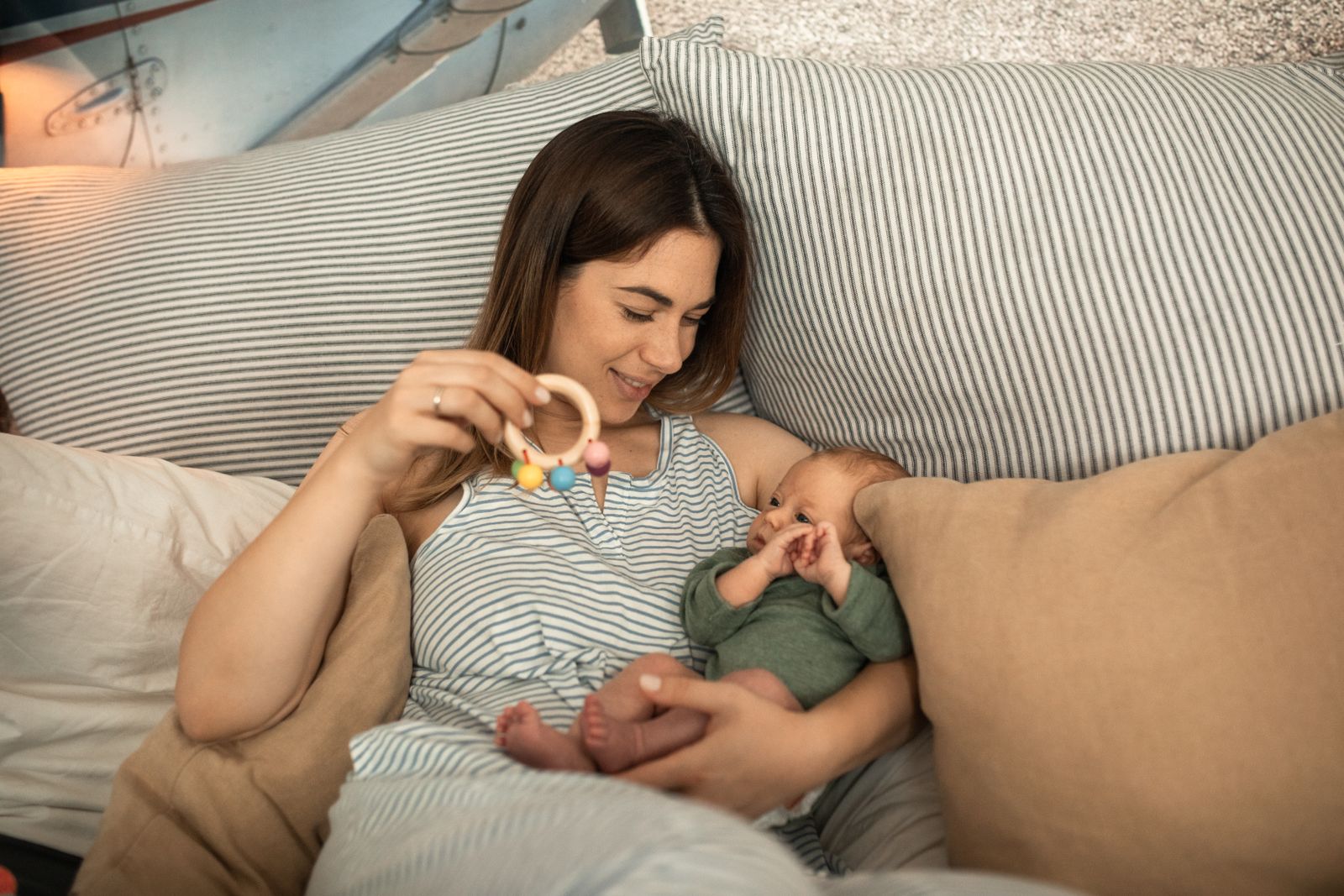
I wish someone had told me that waking up soaked doesn’t mean something is broken. It means your body is doing a huge reset. It built a whole extra blood supply for your baby, and now it’s handing it back. That’s a lot of work, and it shows up as wet sheets.
You’re allowed to find it gross and annoying. You’re allowed to cry about one more thing nobody warned you about. (There’s a whole list of those in 13 things nobody tells you about postpartum.) But you don’t have to just put up with it, either.
Tonight, do one thing: lay a towel on your side of the bed and put a dry shirt and a full water bottle on your nightstand. And if a fever, a sore breast or a racing heart shows up with the sweats, make the call. That’s not overreacting. That’s taking care of the person your baby needs most.
Frequently asked questions
How long do postpartum night sweats last?
For most moms they peak in the first 1 to 2 weeks and fade by about 6 weeks. If you’re breastfeeding, milder sweats can hang on for a few months because nursing keeps estrogen low. Most moms are done by 3 months.
Why do I sweat so much at night after giving birth?
Two things. Your estrogen drops fast once the placenta is out, which throws off the part of your brain that controls body heat. And your body is getting rid of the extra fluid it carried during pregnancy, through sweat and pee.
Does breastfeeding make night sweats worse?
It can make them last longer. Prolactin, the hormone that makes milk, keeps estrogen low. Many nursing moms also feel a wave of heat during let-down. It’s normal and it isn’t a reason to stop breastfeeding.
Can night sweats come back after weaning?
Yes. Weaning is another big hormone shift, so some moms get a few weeks of sweats or hot flashes when they stop nursing. Some also notice sweats for a few days around each period once cycles return.
When are postpartum night sweats a sign of something wrong?
Call your provider if the sweats come with a fever of 100.4°F or higher, chills, a hot red spot on your breast, bad-smelling discharge, a racing heart, or weight loss. Also call if they’re still soaking you after 3 months, or start again months later.
Should I drink less water to sweat less?
No. Cutting back on water won’t stop the sweats, and you need fluids even more while you’re losing them and making milk. Keep water by the bed and drink to thirst. Pale yellow pee means you’re doing fine.