
TL;DR
Most foods that increase milk supply work indirectly: they refuel the calories your body needs to make milk, not because of a magic ingredient. The strongest single piece of research is on dates (a study showed a 23% supply increase at 4 weeks). Oats, flaxseed, salmon, eggs, and a few others have smaller but real signals. But no food beats nursing or pumping more often. Eat the foods. Don't expect miracles.
You’re three weeks in, the baby is on the breast every 90 minutes, and your mom just dropped off a bag of “lactation cookies” she found on Etsy. Your sister-in-law swears by fenugreek. Instagram says drink Body Armor. Your hospital handout says oatmeal. You’ve eaten oatmeal six days in a row. Your supply still feels uncertain.
First, the part that will feel familiar. You’ve Googled “foods that increase milk supply” at 11pm with a baby asleep on your chest. You’ve added Brewer’s yeast to your Amazon cart and abandoned it. You’ve stared at a smoothie wondering if dates are doing anything.
Here’s what’s actually going on: most foods don’t directly trigger milk production. They refuel your body so it has the calories, hydration, and protein to make milk. Frequent and effective milk removal is what makes milk. Food supports that. The two work together. Neither one alone is enough.
This guide breaks down the 8 foods with real research behind them, the 4 the internet keeps pushing that don’t actually work, and the one thing that beats every food on the list.
What Counts as a “Food That Increases Milk Supply”?
A galactagogue is anything (food, herb, or medication) that’s supposed to boost milk production. The honest version: the only galactagogues with strong clinical evidence are prescription medications (domperidone, metoclopramide), and even those are usually a last resort.
Most “milk-boosting foods” do one of three things:
- Add calories you actually need. A breastfeeding mom needs an extra 330-500 calories per day. Most moms eat below that without noticing. Adding a hearty oatmeal bowl, a protein-packed dinner, and a snack you actually finish refuels the system.
- Replace fluids you’re losing. Breast milk is 87% water. Dehydration shows up as a supply dip within hours. Foods with high water content (fruit, soup, smoothies) help on top of plain water.
- Provide a tiny hormonal nudge. A few foods, like dates and oats, may bump prolactin slightly. The effect is small but real for some moms.
The ones that don’t work fall into a fourth bucket: marketed hard, evidence weak. We’ll cover both.
8 Foods That Increase Milk Supply (with Research Behind Them)
1. Dates
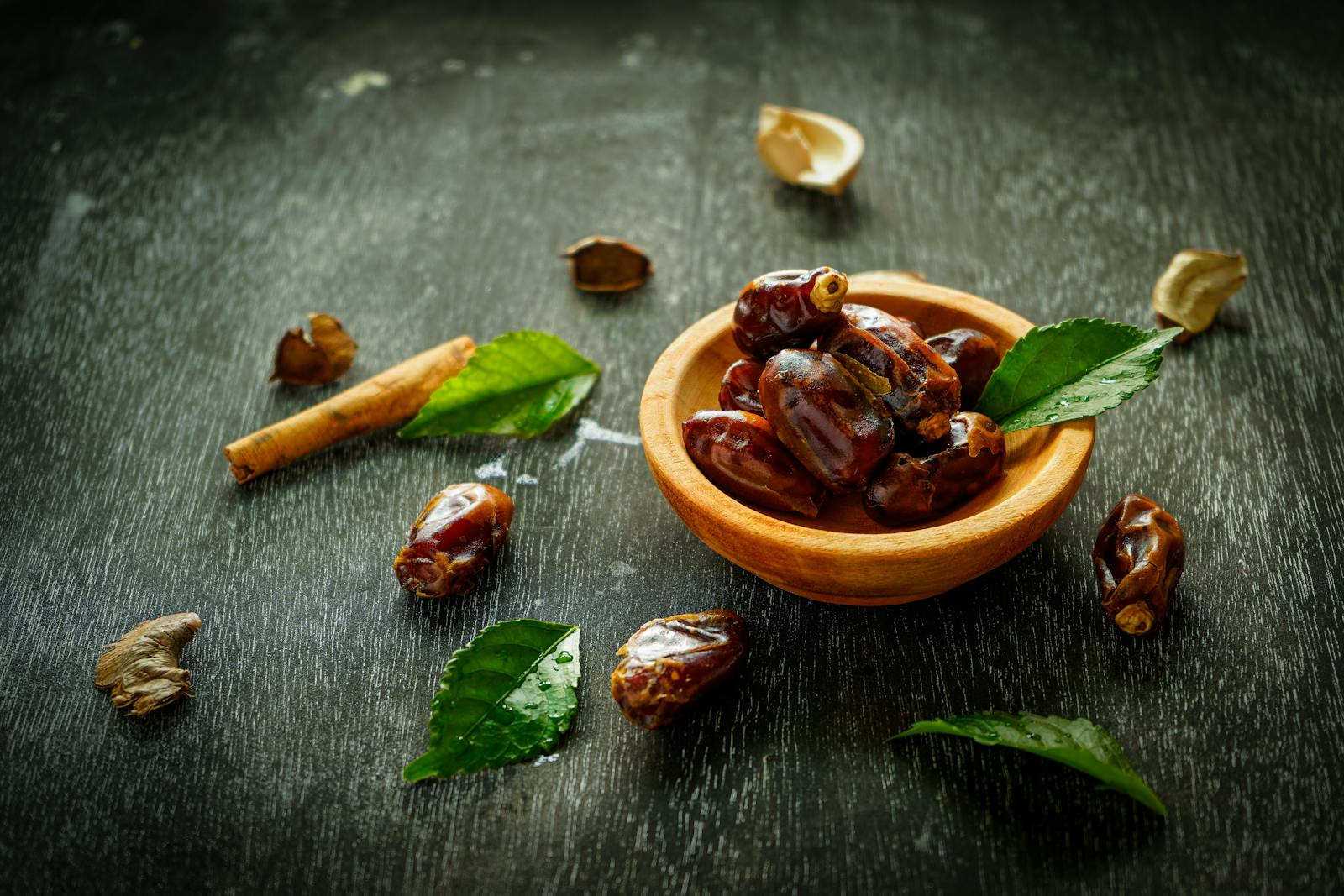
The strongest single piece of research on this whole list. A randomized controlled trial gave breastfeeding moms 10 dates a day. By week 2, milk volume was up 11%. By week 4, it was up 23%. Both numbers were statistically significant compared to the control group. That’s a real effect.
How to actually eat them: 6-10 medjool dates a day, blended into a smoothie, stirred into oatmeal, or eaten plain with peanut butter. They’re sweet and high in carbs, so pair them with protein if blood sugar dips bother you.
2. Oats
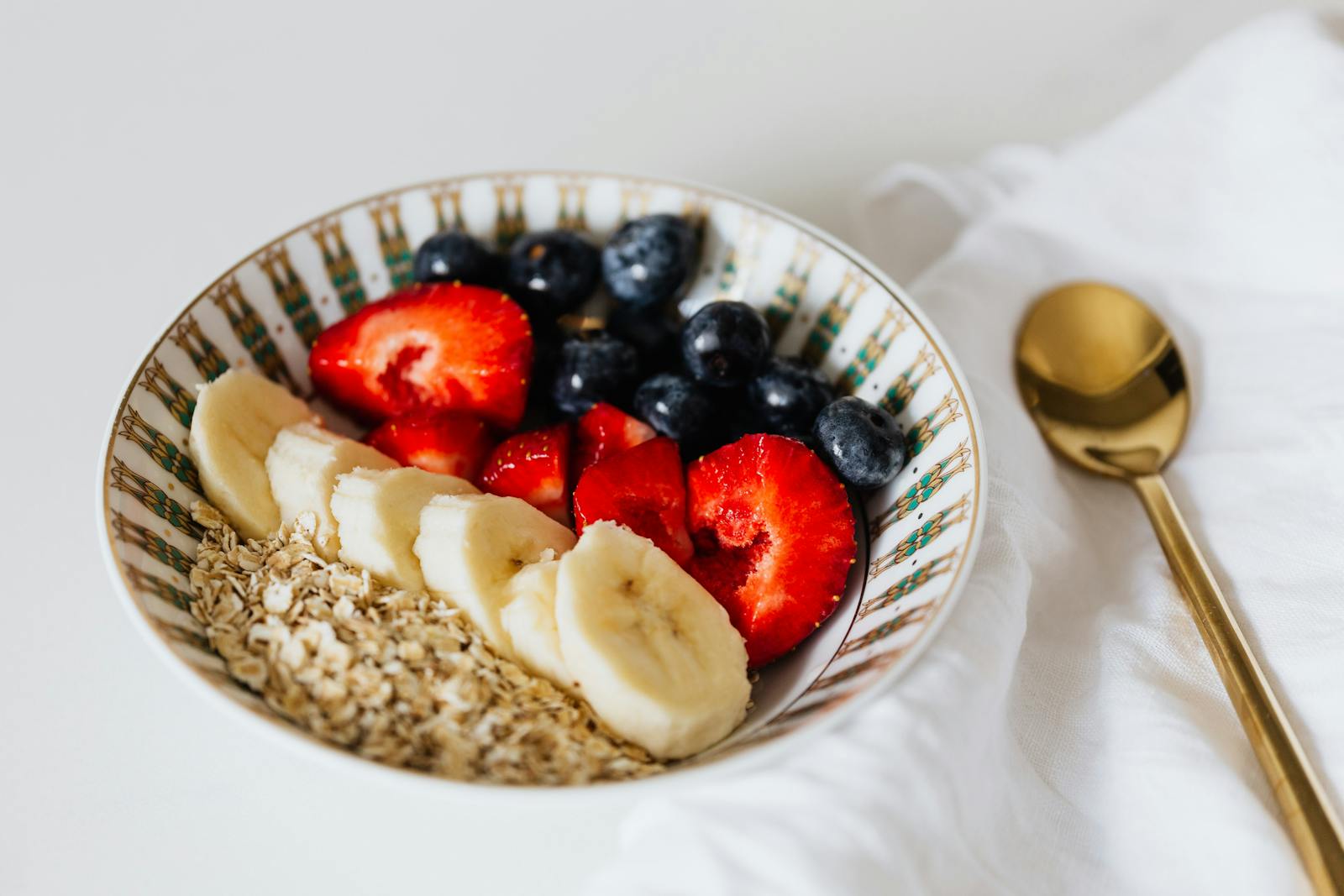
The most-recommended supply food, and the one with the thinnest direct evidence. Oats contain beta-glucans (a soluble fiber) that may slightly raise prolactin in some people. There’s no large clinical trial proving oats increase milk volume. But oats are also high in iron, fiber, and complex carbs, which all matter when you’re sleep-deprived and feeding a newborn.
Eat them as steel-cut or rolled (skip instant if you can, it’s sugar-heavy). One bowl a day with banana and peanut butter is the standard. Lactation cookies use rolled oats as the base, but the cookies themselves don’t add anything the plain oats don’t.
3. Flaxseed
A 2014 study found that 20 grams of flaxseed oil per day raised the levels of omega-3 fatty acids (ALA, EPA, DPA) in breast milk. That doesn’t directly boost volume, but it improves the nutritional profile of what your baby is getting. Some moms also report a mild supply bump.
Use ground flaxseed (whole flax passes through undigested) and add 2 tablespoons a day to oatmeal, smoothies, or yogurt. Store it in the fridge so it doesn’t go rancid.
4. Fatty Fish (Salmon, Sardines, Mackerel)
Omega-3 rich fish boost the DHA content of breast milk and provide protein and B12. The American Academy of Pediatrics recommends 8-12 ounces a week of low-mercury fish for breastfeeding moms.
Practical version: a salmon dinner once or twice a week, plus a tin of sardines on toast as a quick lunch. If you don’t eat fish, an algae-based DHA supplement gets you most of the benefit.
The one thing food can’t fully fix is vitamin D. Your own level sets how much ends up in your milk, and most moms run low, which is why breastfed babies need vitamin D either as a daily drop or through a higher dose you take yourself.
5. Eggs
Two large eggs give you 12 grams of protein, choline (important for baby brain development), and B12. Protein is the single most under-eaten macronutrient for new moms because eggs and meat take time to cook and you barely have time to pee.
Hard-boil a dozen on Sunday. Grab two with toast for breakfast. The supply benefit is calorie-and-protein-driven, not magical, but it works.
6. Spinach and Other Dark Leafy Greens
Spinach, kale, and Swiss chard are rich in iron, calcium, folate, and phytoestrogens that may have a mild milk-supporting effect. Postpartum iron stores are often low, especially after blood loss at birth, and low iron drops energy AND supply.
You don’t need to chew through a salad bowl. A handful of spinach in a smoothie, sautéed greens with eggs, or a green soup all count.
7. Sweet Potatoes
High in beta-carotene, potassium, and complex carbs that fuel sustained milk production through the day. They’re also one of the easiest foods to batch-cook, which matters more than the nutrition profile when you have 11 minutes between feeds.
Roast a sheet pan on Sunday. Add to bowls all week with rice, beans, salmon, or eggs.
8. Almonds and Other Nuts
Almonds are high in calcium, healthy fats, and protein, and a handful a day adds 160-200 calories almost effortlessly. Walnuts add omega-3s. Cashews add iron. Skip flavored or candied nuts (sugar adds up fast); plain raw or dry-roasted is best.
Track every feed without the spreadsheet
Latchly times each side, logs pumps, and shows you the patterns. Free to start.
Keep a jar by the nursing chair. The 3am snack solves itself.
4 Foods and Drinks the Internet Pushes That Don’t Actually Work
These are the ones moms message me about most. The honest answer:
Lactation Cookies (in their hyped form)
A 2018 randomized controlled trial compared cookies WITH galactagogues (oats, brewer’s yeast, flax, fenugreek) to cookies WITHOUT them. There was no significant difference in milk supply between the groups. The cookies didn’t beat the placebo.
What the cookies do help with: calories. They’re around 200-300 calories each. If you’re under-eating and the cookie helps you actually finish a snack, the calories help. The “lactation” branding doesn’t.
Fenugreek
Mixed evidence at best. Some studies show a mild effect, others show none. Side effects include maple-syrup-smelling sweat (a real thing, ask anyone who’s tried it), gas, gut upset, lower thyroid function in some moms, and lower supply in roughly 5% of women (the opposite of what you wanted). Not a first move. Talk to an IBCLC before trying it.
Body Armor and Sports Drinks
The Instagram supply drink trend. The reality: any drink that gets you 16-32 ounces of fluid will help if you were dehydrated. There’s nothing magical about Body Armor specifically. Coconut water, plain water with electrolytes, or a smoothie all work the same way. Save the money.
Beer (Yes, Really)
A common myth is that hops in dark beer boost supply. Hops do contain compounds that may slightly raise prolactin. But alcohol itself inhibits the milk-ejection reflex (your letdown), which cancels the benefit and then some. One small drink occasionally is fine. As a supply strategy, it’s a wash.
What Actually Drives Milk Supply (and Why Food Comes Second)
Three things, in this order:

1. Frequent, effective milk removal. Your body makes milk based on demand. The more you remove (nursing or pumping), the more it makes. 8-12 sessions in 24 hours in the first 6 weeks. If you’re feeding less than 8 times in 24 hours and supply is low, fix that first. No food on this list will outwork that fix. The same loop runs in reverse, which is why weaning works by dropping feeds: remove milk less often and your body winds production down. It’s also why combination feeding can lower supply if you swap a nursing session for formula and skip it, and why pumping when you drop a feed keeps the signal going.
2. A good latch. A baby with a shallow latch removes less milk. Less removal sends a “make less” signal. If feeding is painful or the baby seems to feed forever and never drain you, get a latch check. Read the deep latch guide and consider an IBCLC visit if it doesn’t click.
3. Calories, hydration, sleep. This is where food comes in. You need 330-500 extra calories a day, 80-100 ounces of fluid (more if you’re hot or pumping a lot), and at least 4-hour stretches of sleep when possible. Food and rest support the system; they don’t run it.
If you’ve nailed frequency and latch and you still feel supply is low, then food and the deeper supply-boosting strategies layer on top.
A 1-Day Sample Meal Plan for Real Life
Not a meal plan you’ll Pinterest. A meal plan you’ll actually eat with one hand while holding a baby.
- Breakfast (right after the morning feed): oatmeal with banana, ground flax, almond butter, and a few chopped dates. Glass of water.
- Mid-morning snack: hard-boiled egg + handful of almonds + apple. Glass of water.
- Lunch: spinach + chickpea bowl with rice, sweet potato, and tahini, OR a salmon-and-rice bowl from leftovers. Big glass of water.
- Afternoon snack: smoothie with frozen berries, spinach, dates, peanut butter, and milk or oat milk. The classic supply drink.
- Dinner: fish or chicken, roasted vegetables (sweet potato, carrots, broccoli), brown rice. Glass of water.
- Late-night nursing snack: Greek yogurt with granola and a handful of walnuts. The 3am bowl.
That’s about 2,200-2,500 calories, 90-110 grams of protein, and 80+ ounces of fluid. Way more than most moms instinctively eat. Aim for it for two weeks and notice what changes.
When to Call Your Pediatrician or IBCLC
Food and frequency cover most supply concerns, but not all. Reach out if:
- Baby has fewer than 6 wet diapers a day after day 5.
- Baby isn’t gaining weight or has dropped below their birth weight after week 2.
- Pumping output is dropping despite eating well and pumping every 2-3 hours.
- You suspect you have insufficient glandular tissue, retained placenta, thyroid issues, or PCOS.
- You’re on a hormonal birth control method that started right after birth.
- You’ve eaten well, nursed often, and 2 weeks have passed with no change.
Low supply with a medical cause is real and treatable. It’s not a moral failing or a sign you ate the wrong cookie. An IBCLC and your OB or pediatrician can find the actual cause faster than another lactation tea.
The Thing I Wish I’d Known
You don’t need a perfect supply diet. You need to eat enough, drink enough, and feed often. (Have the opposite problem and make too much milk? Skip the supply-boosting foods and see overactive letdown and oversupply instead.) Most low-supply spirals are calorie deficits in disguise. You feel anxious, you forget to eat, your body downshifts production, you panic, you Google harder, you forget to eat again. The cycle compounds.
What actually breaks the cycle: a hard-boiled egg you grab without thinking. A water bottle next to the nursing chair. A smoothie someone else made. Two dates and a handful of almonds at midnight while the baby cluster-feeds.
Food doesn’t make milk. Your body does. Food just keeps the lights on so your body can do its job. Eat the oatmeal. Eat the dates. Skip the fenugreek. Nurse the baby. Sleep when you can. The numbers come back.
If supply is wobbling and you haven’t already, also read the cluster feeding guide (those marathon evening sessions ARE the supply boost) and the first 14 days of breastfeeding (the supply you build now sets the ceiling for the next 6 months). And if your wobble lines up with your menstrual cycle returning, the period while breastfeeding guide walks through the 2-to-5-day cycle dip and why it doesn’t mean nursing is ending. If you’re feeding entirely from the pump because baby cannot latch or you chose to EP, the exclusive pumping schedule by age has the session count, session length, and total daily minutes that actually holds supply through 12 months.
You’re doing better than you think.
Frequently asked questions
What food increases milk supply the fastest?
Dates have the strongest single study behind them: 10 dates a day produced a 23% increase in milk volume by week 4 in one randomized trial. But food alone won’t fix supply if frequency is the real problem. The fastest lever is always nursing or pumping more often, not eating a specific food.
Do oats really boost milk supply?
There’s no large clinical trial proving oats increase milk supply. The theory is that oats contain beta-glucans that may bump prolactin slightly, but the data is thin. Most lactation consultants say the real benefit is calories, fiber, and iron, all of which support milk production indirectly.
Is fenugreek safe and does it work?
Fenugreek has mixed evidence and a long list of side effects (gas, sweat smelling like maple syrup, drops in thyroid function in some people, lower supply in a small percentage of moms). Some studies show a mild effect, others show none. Skip it as a first move and try food + frequency first.
Can what I eat decrease my milk supply?
Yes, in two ways. First, undereating (under 1500-1800 calories per day) can dip supply because your body needs the fuel. Second, certain herbs and large amounts of peppermint, sage, or parsley can lower supply in some moms. If you suspect a food is dropping your supply, cut it for 5 days and see.
How many extra calories do I need while breastfeeding?
About 330-500 extra calories per day, depending on your body and activity level. Most moms underestimate how hungry they are in the first 3 months. Eating closer to the upper end of that range is fine, especially if you’re hungry and tired.
How long until food changes show up in my supply?
Plan for 7-10 days, not 24 hours. Food works on supply through hormones, hydration, and calories, all of which take time to register. If you’re not seeing a change after 2 weeks of eating well AND nursing or pumping every 2-3 hours, the issue is more likely frequency, latch, or a medical reason. A new pregnancy is a big one: once you’re breastfeeding while pregnant, hormones lower your supply no matter how well you eat. Get an IBCLC consult.