
TL;DR
The best bottles for breastfed babies share three traits: a wide-base nipple that forces a deep latch, a slow flow rate that matches the breast, and a soft silicone feel. The top picks are Dr. Brown's Wide-Neck Options+ for the most consistent refusal-resistance, Comotomo for the closest breast feel, and Lansinoh Momma for the lowest price. Skip narrow-neck bottles and any nipple flow above slow.
You go back to work in 4 weeks. You have 12 ounces of frozen milk in the freezer. You are standing in the bottle aisle staring at 30 different brands and trying to remember which one your friend said her baby refused. Or you have already bought a bottle, your baby clamped her mouth shut three times in a row, and now you are wondering if the bottle is the problem. (If the 4-weeks-out part of that scenario hits home, our pumping at work guide covers the 9 setup moves to lock in alongside the bottle pick, our best hands-free breast pumps roundup ranks the 7 worth shopping by suction strength, and our best nursing pillows roundup covers the 7 picks worth keeping in the lineup for the breast feeds you’ll still do at home, and our best swaddles for newborns roundup ranks the 7 swaddles to actually buy if that’s still on the registry.)
This is the short list of bottles that work for breastfed babies. Each one is picked for the three things that matter: a wide-base nipple shape that forces a deep latch like the breast, a slow flow rate that does not overwhelm a baby used to nursing, and a soft silicone feel that does not stay rigid like cheaper plastic.
If your baby is already actively refusing every bottle, the bottle is only one piece. Read bottle refusal: 7 fixes that work first, because the offerer, the milk temperature, and the timing matter more than the brand. And no matter which bottle you pick from the list below, give it the paced bottle feeding way every single time. The right bottle held vertically still wrecks the latch. The cheapest bottle held horizontally with a 30-second pause does not.
Latchly is a participant in the Amazon Associates Program. We earn a small commission when you buy through our links, at no extra cost to you. We only recommend products we’d give to a friend.

What Makes a Bottle Good for a Breastfed Baby
Before the picks, the criteria. Every bottle on this list passes all four of these tests. If you find a bottle outside this list, run it through the same checks before buying.
1. Wide-base nipple, not narrow-neck. A breastfed baby latches by opening her mouth wide and taking in a big mouthful of breast tissue. A narrow-neck bottle nipple is the wrong shape. A wide-base nipple looks more like the breast in the mouth and forces the same deep latch baby already knows. This is the single biggest filter.
2. Slow flow rate, sometimes called preemie or Level 1. A breast does not gush milk. It releases milk in small bursts as baby sucks, with quiet pauses in between. Most bottle nipples flow faster than the breast even at the slowest setting, but a slow-flow nipple gets close. A fast-flow nipple makes the bottle feel easier than the breast, which is when babies start preferring the bottle and reject the breast at the next nursing session.
3. Soft silicone, not rigid plastic. The nipple should give a little when squeezed. A rigid nipple does not feel anything like the breast and tells baby’s mouth this is a foreign object.
4. Easy to clean. Wide-neck bottles win here too. The bottle gets washed 4 to 6 times a day. A narrow-neck bottle that needs a special bottle brush to reach the bottom is a problem you will resent by day 3.
Quick Comparison Table
| Bottle | Best For | Price Tier | Slowest Nipple Flow |
|---|---|---|---|
| Dr. Brown’s Wide-Neck Options+ | The most reliable first pick | $$ | Preemie / Level 1 |
| Comotomo | Babies who need the softest, most breast-like feel | $$$ | Slow Flow |
| Lansinoh Momma | Lowest price, designed by lactation consultants | $ | Slow Flow |
| Pigeon SofTouch SS | Babies with a strong nursing preference | $$ | SS (super slow) |
| Evenflo Balance+ Wide | Best value wide-neck with good vent system | $ | Slow Flow |
| Philips Avent Natural Response | Sucking-triggered flow that mimics breast | $$ | 0M Newborn Flow |
| Tommee Tippee Closer to Nature | Easy switching between breast and bottle | $$ | Slow Flow |
| MAM Easy Start Anti-Colic | Gassy babies who also need a wide nipple | $$ | Level 0 Newborn |

The 8 Best Bottles for Breastfed Babies
1. Dr. Brown’s Wide-Neck Options+ (with Level 1 Nipple)
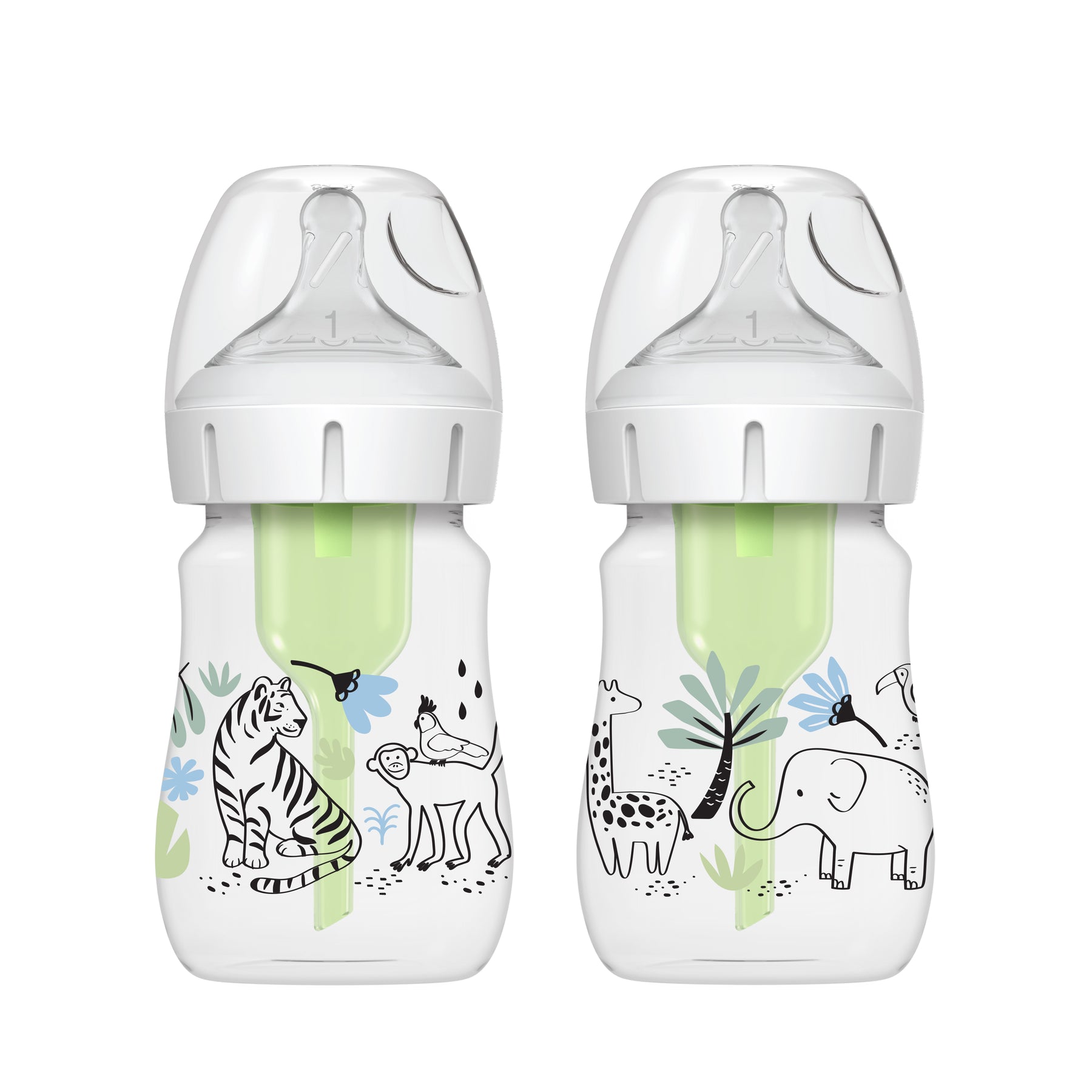
The most reliable first pick. This is the bottle most lactation consultants recommend first because it works for the largest number of babies. The wide-neck shape forces a deep latch, the Level 1 (Preemie is even slower) flow rate is genuinely slow, and the internal vent system pulls air out so baby swallows less of it.
Best for: First-time bottle introduction, daycare drop-off, gassy babies who need the vent system, moms who do not want to guess.
Skip if: You hate cleaning extra parts. The vent system has a small straw and disc that need to be washed every time. You can remove the vent for a simpler clean once baby is past the gassy phase, but the bottle is at its best with the vent in.
Price tier: $$ (around $25 for a 4-pack)
View Dr. Brown’s Wide-Neck Options+ on Amazon
2. Comotomo
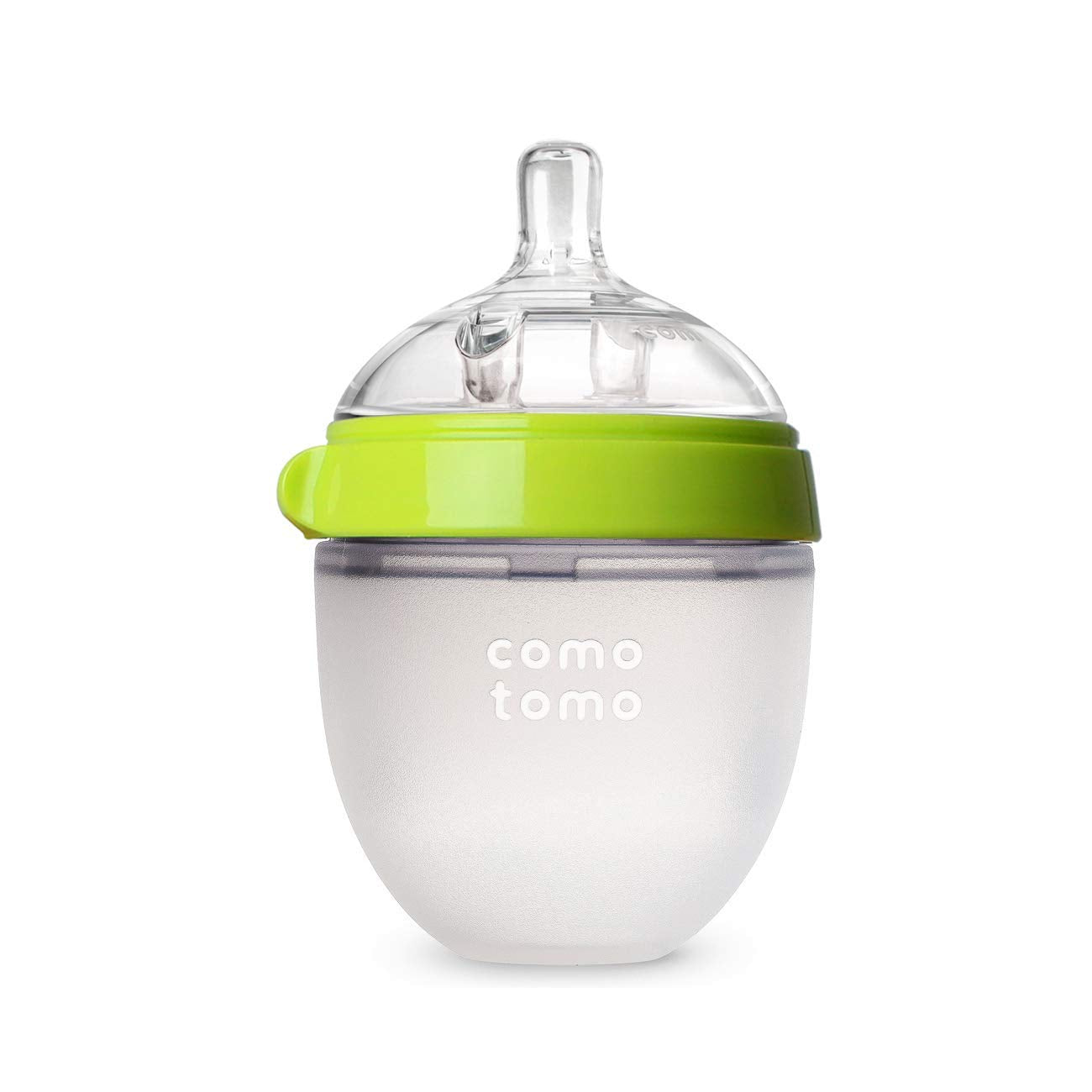
The closest feel to the breast. Comotomo bottles are made of soft silicone (not plastic) so the bottle itself squishes a little, like the breast. The wide-base nipple is short, soft, and the closest match to a real nipple shape. Babies who are picky about the bottle feel almost always take a Comotomo.
Best for: Babies who actively refused a hard-plastic bottle, moms who want the most breast-like option, easy cleaning (no internal vent parts).
Skip if: You need a budget option (Comotomo is the most expensive bottle on this list) or you want a wide range of nipple flow rates (Comotomo’s slow-flow is fine, but the medium and fast flows feel like a big jump).
Price tier: $$$ (around $30 for a 2-pack)
3. Lansinoh Momma
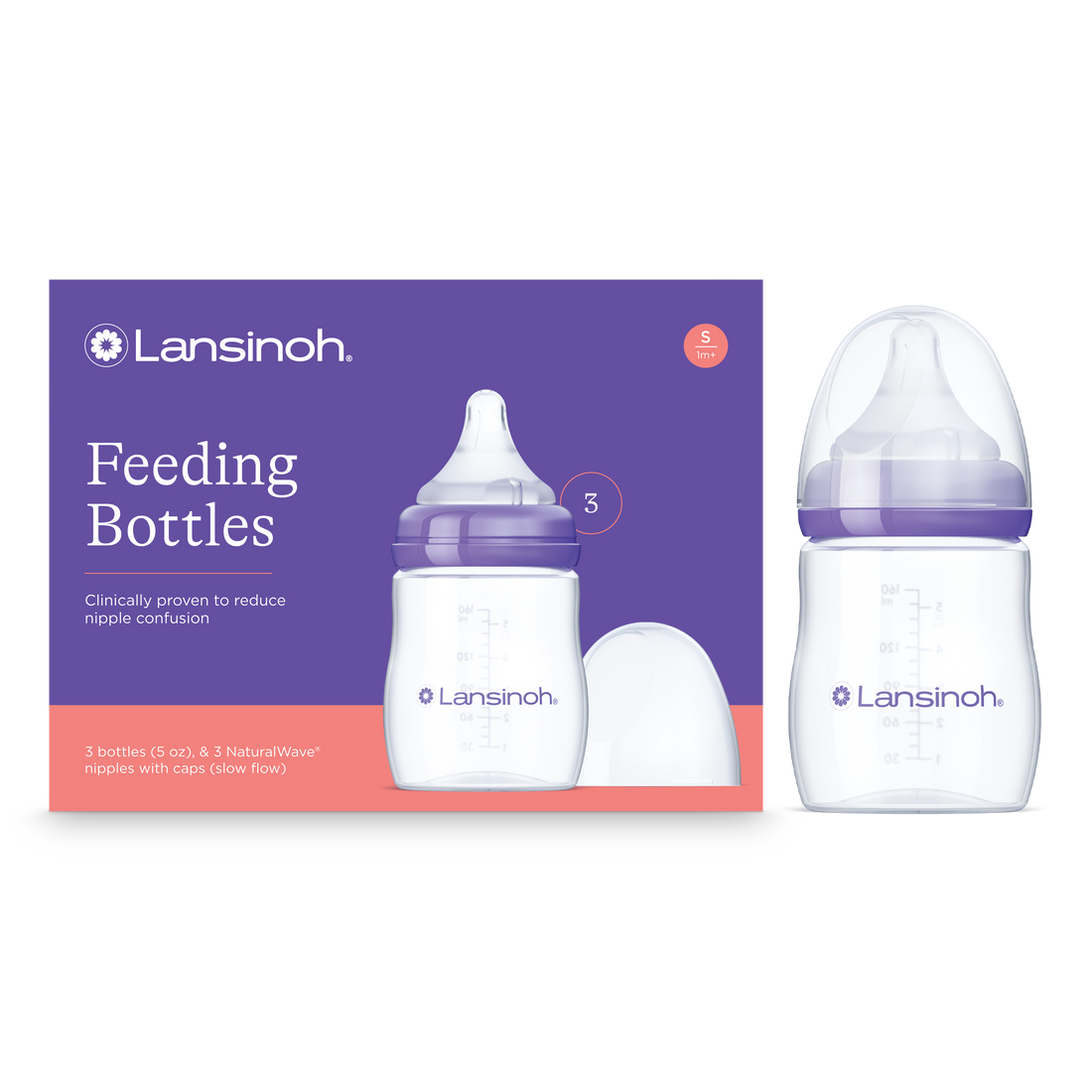
The lowest price done right. Lansinoh designed this bottle with a lactation consultant in mind. The nipple has a wide base that flares out, and the slow-flow nipple is genuinely slow. It is the cheapest bottle on this list that still passes all four criteria. Comes in a 5 oz size that fits a breastfed baby’s actual feed volume.
Best for: Budget-conscious moms, building a daycare stash without spending $80, anyone who already pumps with a Lansinoh pump (the bottles thread directly onto Lansinoh pump flanges).
Skip if: You want a bottle that feels premium. Lansinoh Momma is functional, not fancy. The plastic is thinner than Dr. Brown’s and the nipple is firmer than Comotomo’s.
Price tier: $ (around $15 for a 3-pack)
4. Pigeon SofTouch SS
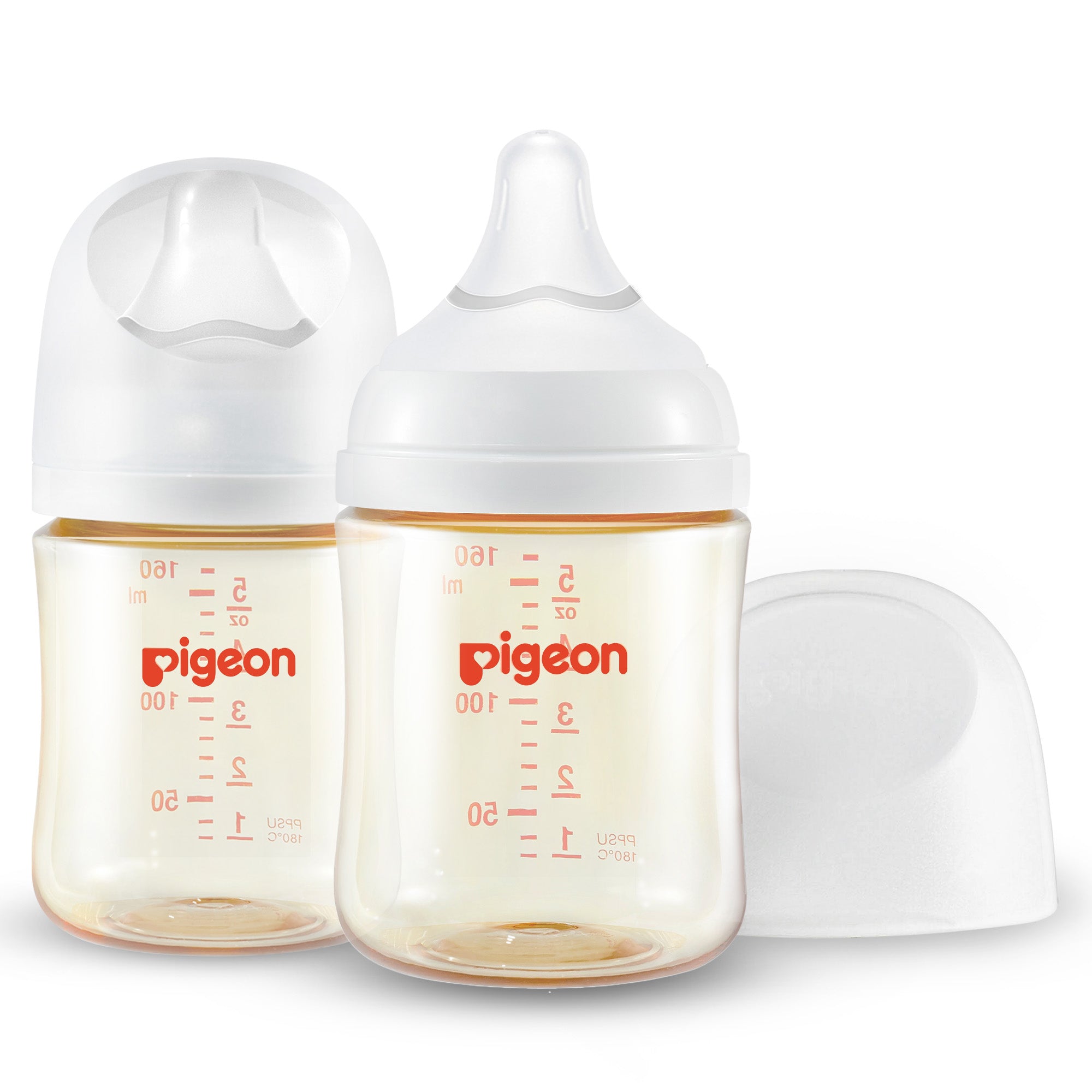
The slowest flow on this list. The SS (super slow) nipple is the closest match to the breast flow rate of any bottle nipple sold in the US. If your baby has a very strong nursing preference and refuses bottles that flow too fast, Pigeon SS is the answer. The wide-base nipple shape is excellent and the soft silicone matches Comotomo’s feel.
Best for: Strong-preference babies, exclusively breastfed babies past 4 weeks, babies who choke or gulp on other slow-flow bottles.
Skip if: You need a faster flow as baby grows. The Pigeon nipple range is narrower than Dr. Brown’s, and the M (medium) flow is a noticeable jump.
Price tier: $$ (around $18 for a 3-pack)
View Pigeon SofTouch SS on Amazon
5. Evenflo Balance+ Wide
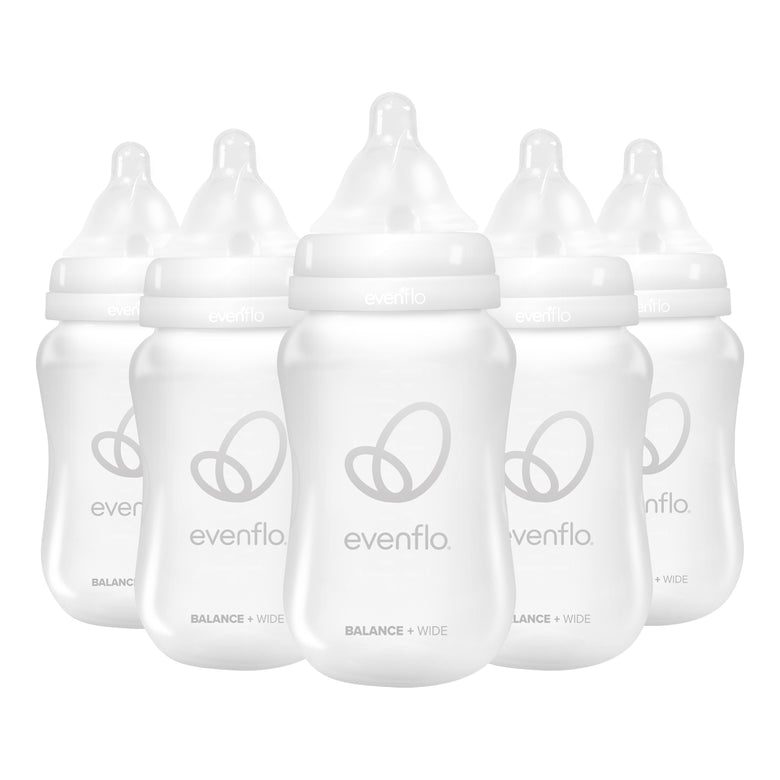
The best value wide-neck. Evenflo’s Balance+ is a wide-base, slow-flow bottle with a vent in the nipple itself (not a separate part to wash). Functional, easy to clean, and around half the price of Dr. Brown’s. A great pick for moms who want a wide-neck slow-flow without paying for the Dr. Brown vent system.
Best for: Budget-conscious moms, easy cleaning, daycare bottles you do not want to lose.
Skip if: Your baby is gassy and needs a more aggressive vent system (go to Dr. Brown’s or MAM instead).
Price tier: $ (around $15 for a 4-pack)
View Evenflo Balance+ Wide on Amazon
Track every feed without the spreadsheet
Latchly times each side, logs pumps, and shows you the patterns. Free to start.
6. Philips Avent Natural Response
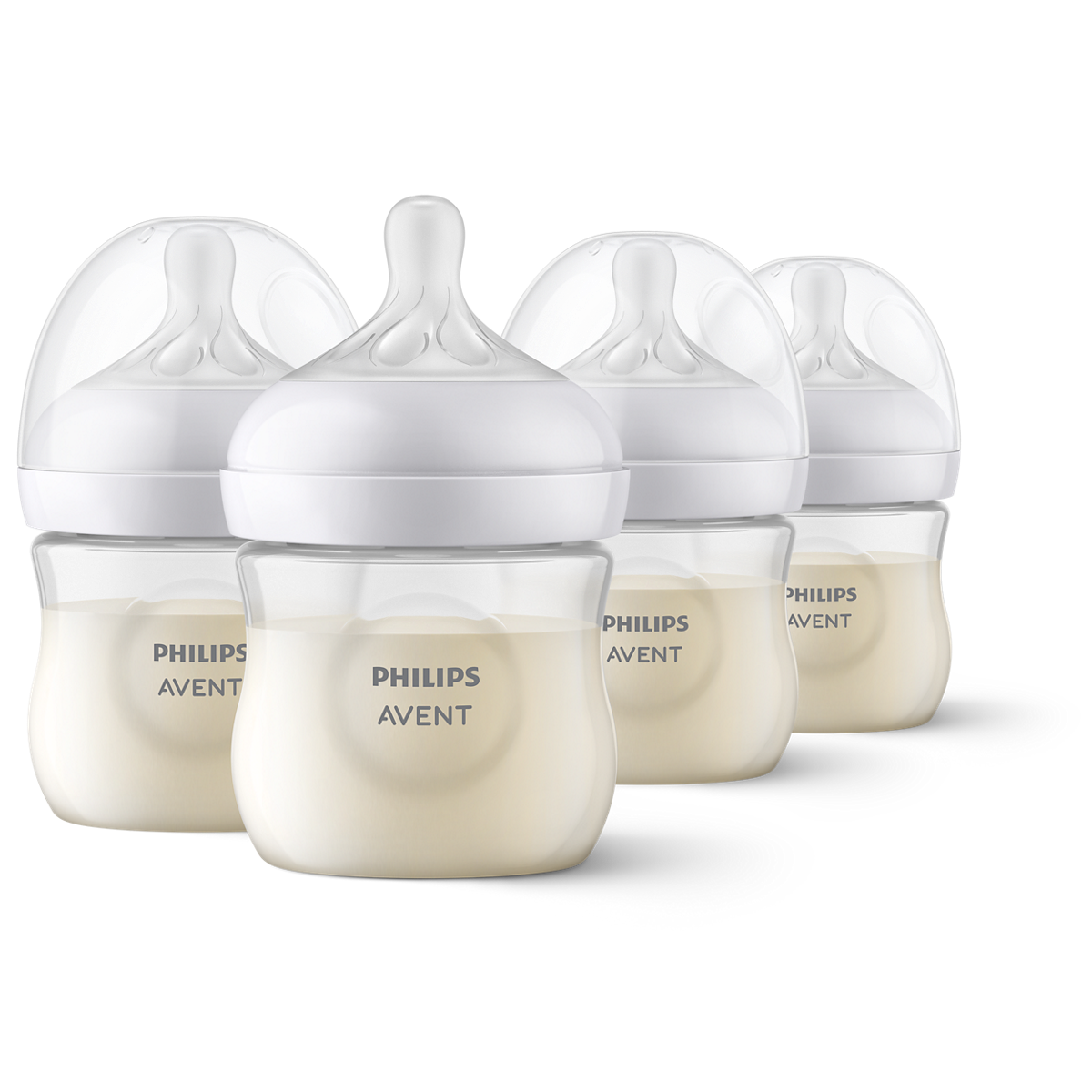
The bottle that flows only when baby actively sucks. The Natural Response nipple is shaped to release milk only when baby creates suction with her mouth, just like the breast. If she stops sucking, the milk stops flowing. This is the closest mechanical match to nursing of any bottle on this list, and it gets babies who hate the constant-drip feel of other bottles.
Best for: Babies who pull off the bottle, babies who choke on free-flowing nipples, paced bottle feeding without you having to manually pause.
Skip if: Baby is impatient and frustrated by the work of sucking (some babies want the easier flow of a constant-drip bottle).
Price tier: $$ (around $25 for a 3-pack)
View Philips Avent Natural Response on Amazon
7. Tommee Tippee Closer to Nature
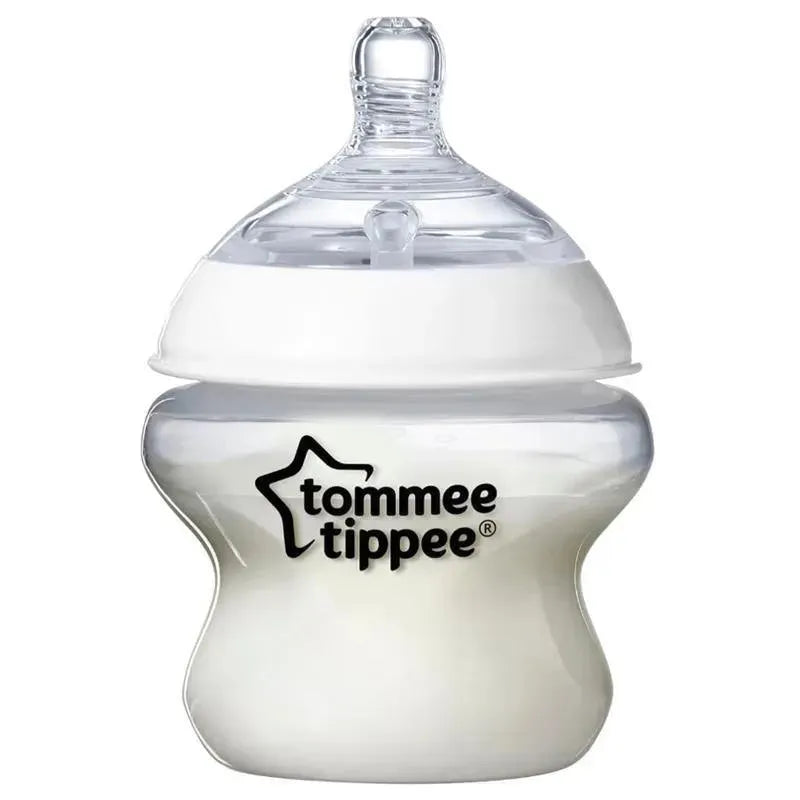
The easiest switch back and forth. The Closer to Nature nipple is wide and short, with a flexible base that compresses similarly to breast tissue. Babies who go between breast and bottle daily tend to do well with this one because the latch motion stays consistent.
Best for: Daily breast-to-bottle switching, babies who already nurse well and you do not want to confuse with a very different bottle shape.
Skip if: You need the slowest flow available (Tommee Tippee’s slow-flow is a touch faster than Pigeon SS or Dr. Brown’s Preemie).
Price tier: $$ (around $20 for a 3-pack)
View Tommee Tippee Closer to Nature on Amazon
8. MAM Easy Start Anti-Colic
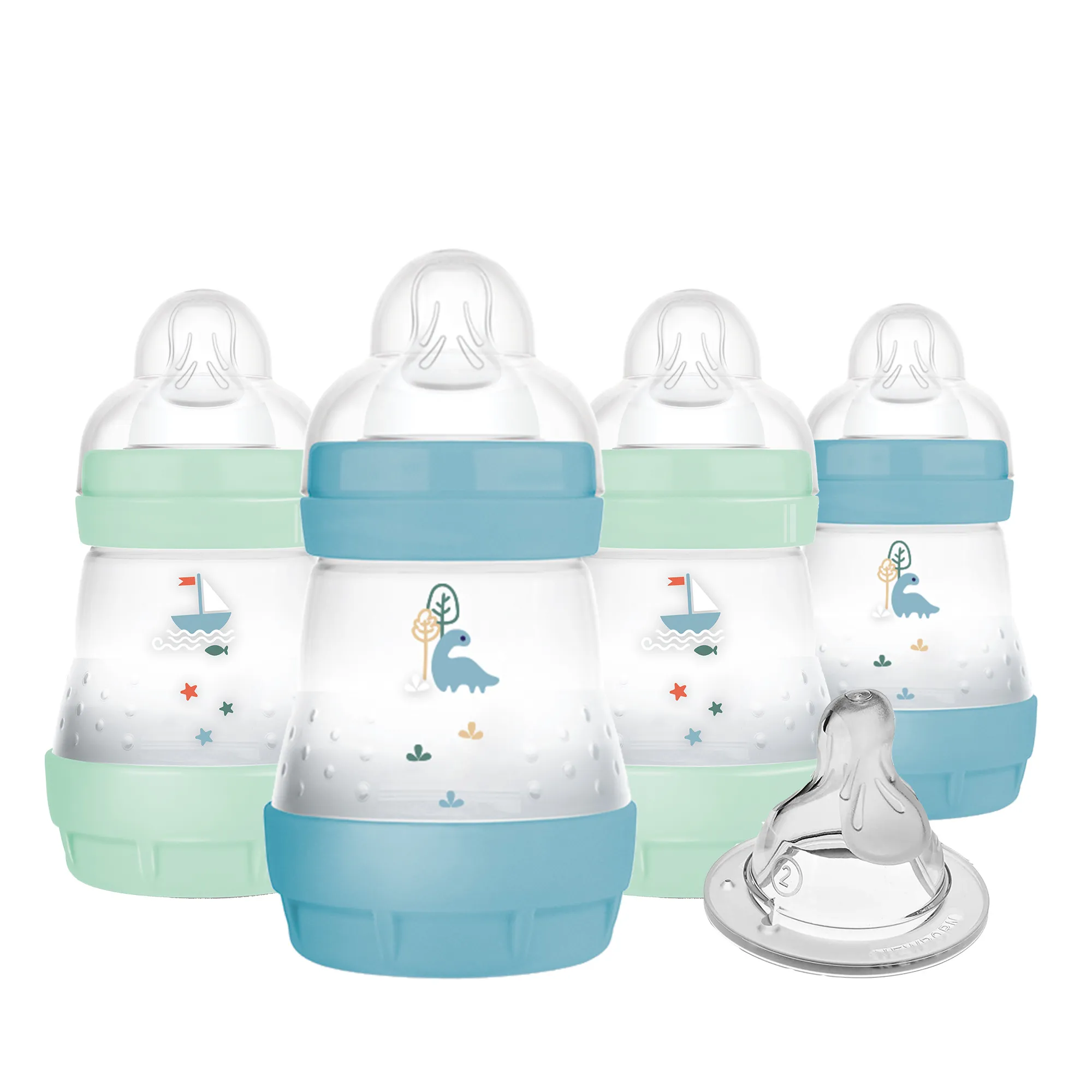
The gassy-baby pick with a wide-base nipple. Most anti-colic bottles use a narrow neck (which is the wrong shape for a breastfed baby). MAM solves that by giving you a wide-base nipple AND a vent system in the bottle base. The bottle also self-sterilizes in the microwave with 20 ml of water in 3 minutes, which is genuinely useful.
Best for: Gassy babies who also need a wide nipple, daycare prep where you cannot always sterilize, twin parents who go through bottles fast.
Skip if: You hate any bottle with multiple parts (the vent disc adds one piece to the wash).
Price tier: $$ (around $22 for a 3-pack)
View MAM Easy Start Anti-Colic on Amazon
How to Pick One Bottle From This List
Start with Dr. Brown’s Wide-Neck Options+ if you have no information. It works for the most babies, the vent system handles gas, and the nipple range covers Preemie through Level 4 if you need to size up later. Buy one bottle, not the 4-pack. Test it. Stock up on the 4-pack only after baby has taken a feed from it without refusing.
Switch to Comotomo if she rejected Dr. Brown’s. The soft silicone feel is the next variable to change. About 80% of babies who refuse a hard-plastic bottle will take a Comotomo.
Switch to Pigeon SS if she rejected Comotomo. The flow rate is the next variable. SS is genuinely the slowest sold in the US, and a strong-preference breastfed baby often needs that.
Switch to Philips Avent Natural Response if she chokes or pulls off. The sucking-triggered flow handles the babies who hate the drip-when-not-sucking feel of every other bottle.
If you have tried all four and she still refuses, the bottle is not the problem. Read bottle refusal: 7 fixes for breastfed babies for the full diagnostic. And if every feed is coming from a bottle because you’re exclusively pumping (baby cannot latch, chose to EP, NICU stay), our exclusive pumping schedule by age covers the session-count plan that keeps supply matched to what these bottles are delivering.
Bottles to Skip for a Breastfed Baby
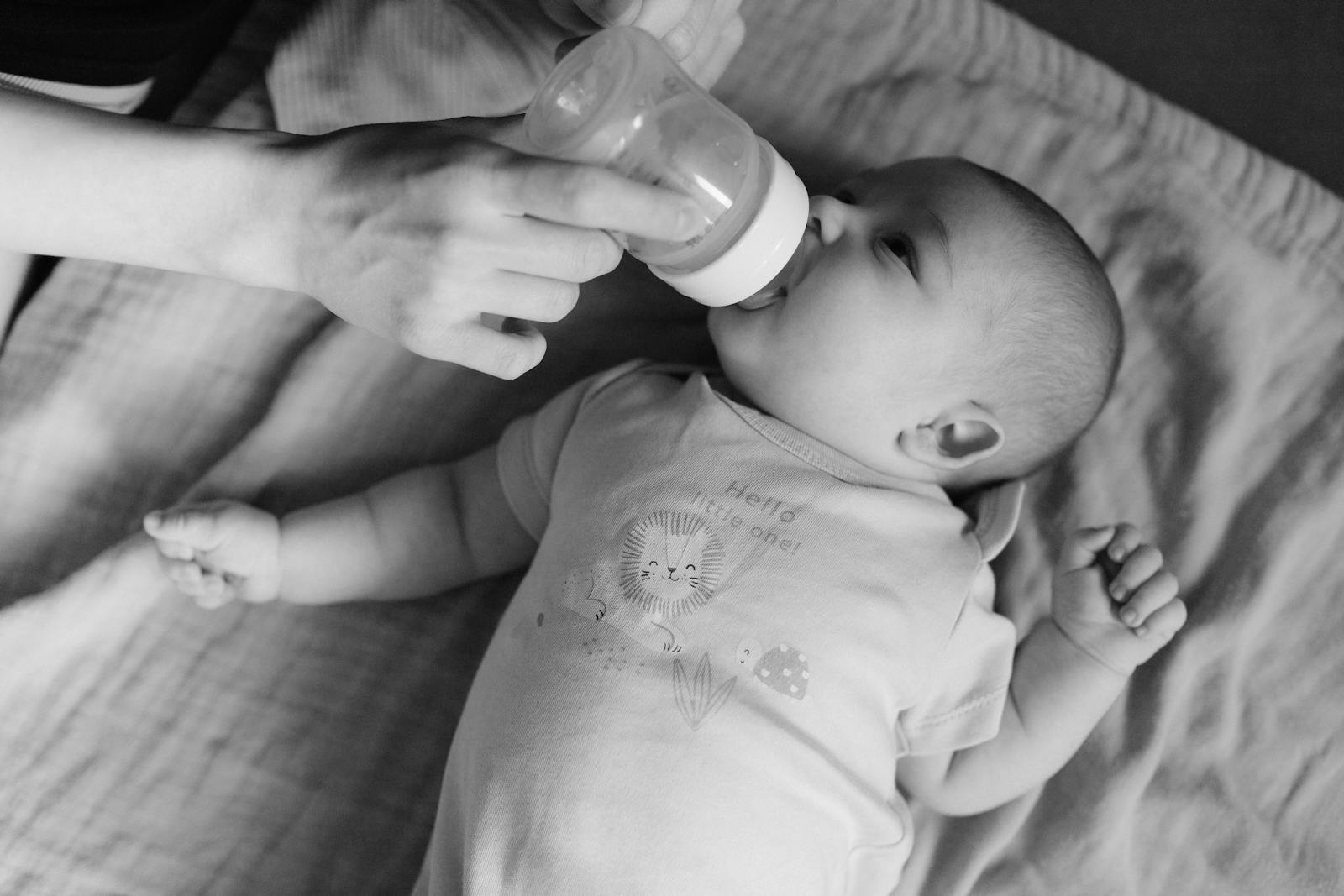
Narrow-neck bottles (the classic Dr. Brown’s, Playtex Drop-Ins, Born Free narrow). The nipple shape is wrong for a baby who knows the breast. These bottles work for formula-fed babies. They cause more refusal in breastfed babies.
Fast-flow nipples at any age. Even at 6 months, a breastfed baby does not need a fast-flow nipple. The breast does not flow faster as baby grows. Stay at slow-flow or, at most, medium-flow if she has truly outgrown slow.
Glass bottles for the bottle-introduction phase. Glass bottles are great for some babies and some moms, but for the first attempts at the bottle, you want every variable working in your favor. The glass weight and feel are different from the breast and the breastfeeding experience. Switch to glass after the bottle is going down without a fight.
Self-feeding “anti-colic” bottles with weighted straws. These are not actually bottles. They are toddler training cups marketed as bottles. They do not have a nipple shape that resembles the breast and do not deliver paced flow.
How to Test a Bottle Before Stocking Up
Buy one bottle. One. Bring it home. Have your partner or another caregiver offer a small feed (1 to 2 ounces) of expressed breast milk in a calm window of the day, not when baby is screaming for food. The bottle should be warmed to body temperature (98°F), held horizontally, with frequent pauses (paced bottle feeding).
If she takes it without crying, fussing, or pulling off repeatedly, you have your bottle. Buy 4 to 6 more.
If she clamps her mouth shut, screams, or refuses every attempt for 3 days in a row, swap to the next bottle on the list above. Do not buy 4 of the same bottle she just refused.
When to Call Your Pediatrician About Bottle Trouble
Call if:
- Baby is also refusing the breast (not just the bottle)
- Fewer than 6 wet diapers in 24 hours
- Weight loss or no weight gain over 2 weeks
- Choking, gagging, or coughing on every bottle attempt (could be a flow rate issue or a swallowing issue)
- Past 8 weeks and refusing every bottle on this list despite consistent practice
- Reflux symptoms (arching back, screaming after feeds, projectile spit-up)
Most bottle trouble is a brand or flow-rate issue, not a medical one, but rule out reflux, oral ties, and ear infection if nothing on this list is working.
The Thing I Wish I’d Known About Bottles
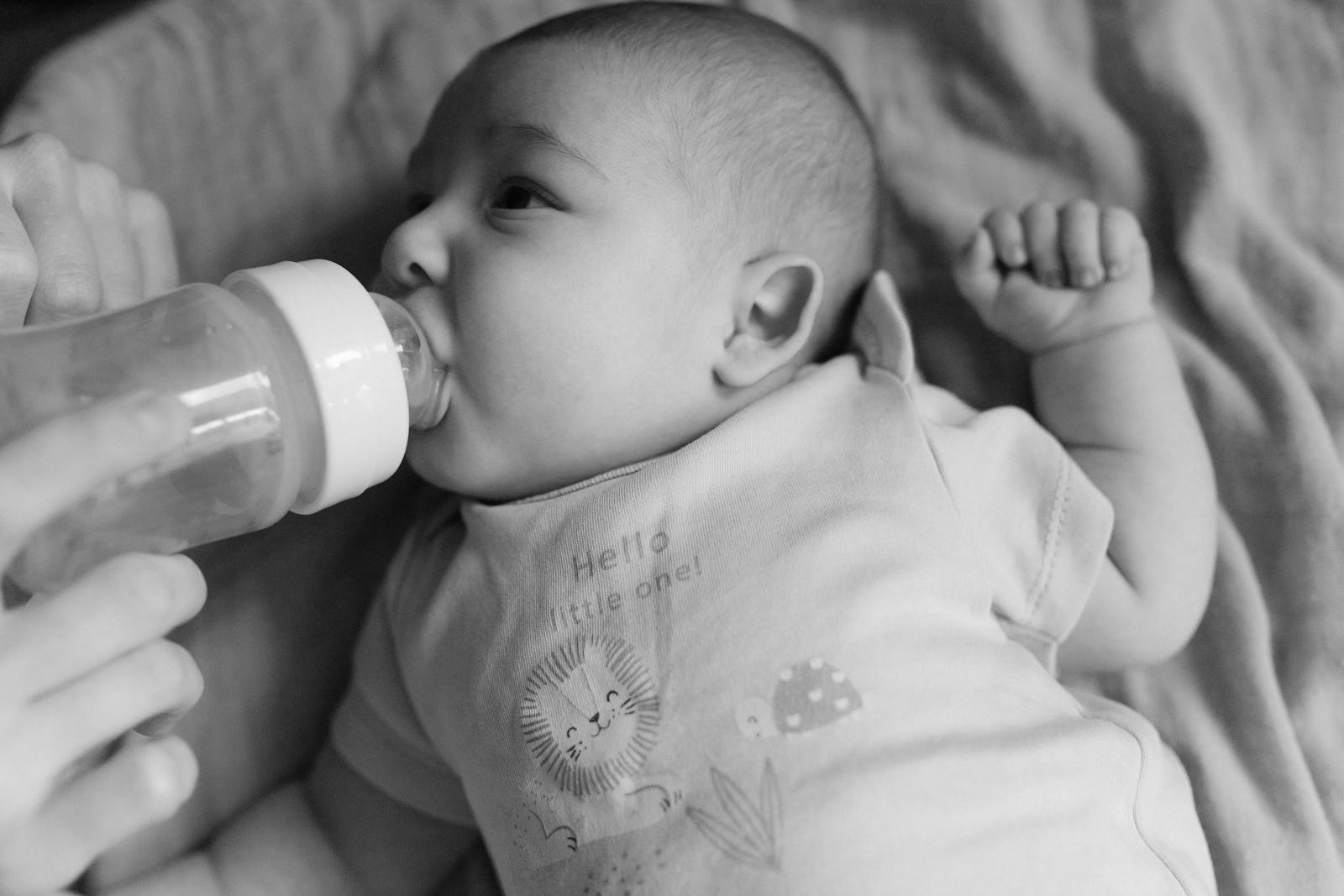
You will spend more time researching the bottle than your baby will spend deciding about it. The bottle that works is usually the second or third one you try, not a perfect first guess. Buy one Dr. Brown’s Wide-Neck Options+ first. Test it on a calm afternoon with someone other than you offering. If it works, stock up. If it doesn’t, swap to the next one and keep going.
The bottle is a tool, not a verdict. Your baby is not refusing because she does not want to leave you. She is refusing because the suction, the flow, or the smell on the offerer is not the breast. All of those are fixable. The bottle is the smallest piece. Read bottle refusal: 7 fixes that work for the parts that matter more than the brand on the side. And if you are building a freezer stash for daycare, the pumping schedule guide is the next piece to read.
You’ll get there. Most breastfed babies take a bottle within a week of starting. The right bottle just gives you the best shot.
Frequently asked questions
What is the best bottle for a breastfed baby?
The Dr. Brown’s Wide-Neck Options+ with a Level 1 nipple is the most reliable pick across the largest number of breastfed babies. It has a slow, paced flow, a wide-base nipple shape, and a vent system that cuts down on gas. It is also the bottle most lactation consultants recommend first.
Do all breastfed babies need a special bottle?
Most breastfed babies do better with a wide-base, slow-flow bottle than a narrow-neck or fast-flow bottle. Some babies are easygoing and take any bottle. The trouble is you do not know which kind you have until you try. Start with a wide-base slow-flow and only switch if it fails.
When should I buy bottles for my breastfed baby?
Buy one or two bottles before baby is born so you have them ready, but do not buy a full set until you have tested one. Babies have strong preferences. Buying 8 of the same bottle and finding out baby refuses them is an expensive mistake. Open one, try it, then stock up on the winner.
What size bottle should I get for a breastfed baby?
Start with the 4 or 5 oz size. Breastfed babies rarely take more than 4 ounces in a single feed even past 6 months because breastmilk volume stays steady (it does not increase the way formula amounts do). The 8 oz bottles are larger than you need and harder for tiny hands to hold later.
How many bottles do I need to buy?
If baby is going to daycare or you are going back to work, plan on 4 to 6 bottles per day in rotation (one per feed plus one extra). For occasional bottles at home, 2 to 3 is enough. Bottles need to be washed between feeds, so you need enough to cover a full day if you cannot wash mid-day.
Can I use the same bottle for breast milk and formula?
Yes. The bottle does not care what is in it. Every bottle on this list works with breast milk, formula, or a mix. The nipple flow rate matters more than the contents. If you’re feeding both, our combination feeding guide covers how to add formula without losing your supply.