TL;DR
Most breastfed babies refuse the bottle because it was offered too late, the wrong person is offering it, or the nipple flow does not match the breast. Fix it by having someone other than mom offer at the start of the awake window, using a slow-flow wide-base nipple, warming the milk to body temperature, and trying for 10 minutes without forcing. Most babies take a bottle within 3 to 7 days of consistent practice.
You go back to work in 10 days and your baby will not take a bottle. Your partner has tried. Your mom has tried. You have tried in three different positions. The baby clamps her mouth shut, turns her face away, and then she screams. The bottle drips milk onto your shirt. You sit on the couch and feel your stomach drop.
Almost every breastfed baby goes through a bottle refusal phase, and almost every one of them takes a bottle eventually. The fix is not “more practice.” The fix is a specific set of changes that match what your baby actually needs to learn this new skill. This post is the short list of moves that work.
What Bottle Refusal Actually Is
Bottle refusal is your baby telling you the bottle does not feel like nursing. It is not stubbornness, and it is not a sign you waited too long. The breast and the bottle are mechanically different. The breast is warm, soft, and changes shape in the mouth. The bottle is firm, plastic, and delivers a constant flow no matter how your baby sucks. To a baby who only knows the breast, the bottle is a strange object that smells wrong, tastes wrong, and behaves wrong.
There are two windows to know about. The first is 3 to 6 weeks, when most babies will accept a bottle without much fuss because the suck-swallow reflex is still strong and they are hungry enough to try anything. (If you are still in the first 14 days of breastfeeding, wait. Get the latch and supply solid first, then introduce.) The second is around 8 weeks, when the suck reflex becomes voluntary. After that point, your baby can decide whether or not to drink from the bottle, and many decide no. If you are reading this with an 8-week-old who is refusing, you are at the hard end of the curve, but it is still very fixable.
Why Your Breastfed Baby Refuses the Bottle
Knowing the cause makes the fix obvious. There are usually 3 to 4 things stacking on top of each other.
- Mom is the one offering. Babies smell the breast on you. They do not understand why the breast is being withheld.
- The nipple flow is too fast or too slow. Most standard bottles are too fast for a breastfed baby. The milk floods, the baby chokes, and now she associates the bottle with the bad feeling.
- The milk is the wrong temperature. Breast milk comes out at 98.6°F. A cold or even room-temperature bottle tastes wrong.
- The setting is wrong. Same chair, same arms, same cradle hold as nursing. Your baby is expecting the breast and getting plastic.
- The timing is wrong. Offering when she is screaming-hungry stresses her out. Offering when she is full means she has no reason to try.
- One bad attempt has made her gun-shy. Babies remember. One choking incident or one forced bottle can set bottle refusal back days.
The good news is that all of these are within your control. The fixes below address each one.
How to Get a Breastfed Baby to Take a Bottle: 7 Fixes That Work
Try these in order. Most babies respond to one or two of the first three. Save the heavier moves for stubborn cases.
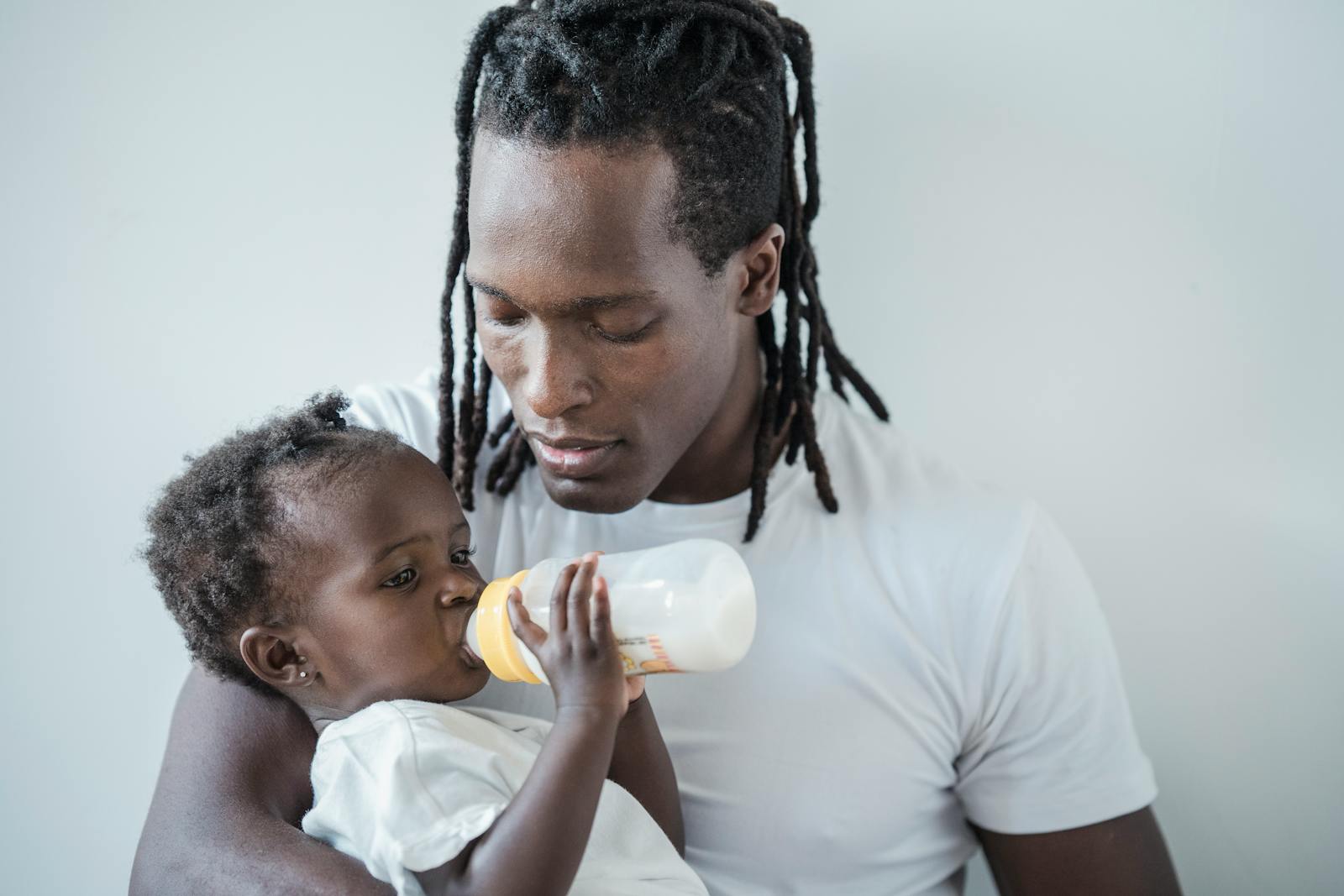
1. Have someone other than you offer the bottle. This is the single biggest fix and the one most parents skip. Your baby smells the breast on you and gets angry. Have your partner, your mom, a grandparent, or a babysitter try the bottle. You should be in another room (ideally another floor or out of the house entirely) so your baby cannot hear or smell you. Mom-being-gone is what flips the switch from “where is the breast?” to “okay, I will try this thing.”
2. Offer when your baby is calm and lightly hungry, not starving. Pick a moment 30 to 60 minutes after she wakes up from a nap, when she is alert and content but ready to eat. A screaming, frantic baby cannot learn a new feeding skill. Skip the advice that tells you to “let her get hungry enough to take it.” That backfires. A relaxed baby with a slightly empty stomach is the right window.
3. Warm the milk to body temperature. Run the bottle under warm tap water for 1 to 2 minutes, or use a bottle warmer set to 98°F. Test a drop on the inside of your wrist. It should feel neutral, not warm or cool. Cold breast milk tastes wrong to a baby who has only ever had it warm. This one change resolves a surprising number of refusals on its own.
4. Use a slow-flow, wide-base nipple. The wide base mimics the shape of the breast better than narrow nipples. The slow flow forces baby to actually suck instead of getting flooded. Good options: Dr. Brown’s Wide-Neck Level 1, Lansinoh Momma, Pigeon SS, Comotomo, Evenflo Balance+ Wide. Stay at the slowest flow even if feeding takes 20 minutes. The slow flow is the point. Faster flow is what makes babies prefer the bottle over the breast later, which is the opposite of what you want.

5. Change the setting and the hold. Do not offer the bottle in the chair where you nurse. Sit on a different couch, in a different room, in a different position. Try holding baby semi-upright facing outward (back against your chest) instead of cradled. Some babies take a bottle better when standing, walking, or being gently bounced. The mismatch between “this is a bottle moment” and “this is a nursing moment” helps her switch contexts.
6. Use paced bottle feeding from the very first attempt. Hold the bottle horizontally (not tipped down) so milk only fills the nipple when baby actively sucks. Pause every 20 to 30 seconds by tipping the bottle down and giving baby a moment to breathe. This mimics the natural pause-and-swallow rhythm of breastfeeding and prevents the gulping-and-choking experience that creates bottle hatred. Paced feeding also protects your supply by not training baby to expect a faster flow than the breast offers. (Our paced bottle feeding step-by-step guide walks the full 7-step protocol — print it and tape it to the diaper bag so daycare and grandma do it the same way.) (Supply protection matters here. A bottle that flows faster than your breast is the most common reason supply tanks at the start of return-to-work.) (See pumping schedule for the full bottle prep flow if you are building a freezer stash for return-to-work.)
7. Offer the bottle daily, in the same window, for 7 to 10 days straight. Consistency is the lever. One bottle a day, every day, at the same time (mid-morning is the highest-success window for most babies). Skip a day and the clock resets. If your baby refuses for 10 minutes straight without engaging at all, stop and try again the next day. Do not push past tears. The next bottle attempt depends on her not building a worse association with the last one.
Track every feed without the spreadsheet
Latchly times each side, logs pumps, and shows you the patterns. Free to start.
What to Do if Your Baby Is Already Refusing Hard
If you are past the gentle introduction phase and your baby has already started actively pushing the bottle away, the playbook shifts. Stop offering for 3 days. Reset her association with the bottle by removing it entirely from her environment. No bottles in sight, no bottles in her mouth, nothing. After 3 days of bottle-free time, restart with a different person, a different bottle, and a different room. Treat day 1 of the restart like a true first introduction.
You can also try dipping the nipple in expressed breast milk before offering, so the first taste is familiar. Some moms have luck with wrapping the bottle in a worn, unwashed shirt that smells like them when the caregiver does the offering, which gives baby the comforting smell without the visual confusion of mom being there.
If your baby is taking a bottle from one specific person but no one else, run with it for now. Schedule that person for the daycare drop-off bottle if at all possible. Once she is taking one bottle a day successfully from anyone, expand the pool of people slowly. While you’re working through bottle acceptance, run our pumping at work setup plan in parallel so the schedule, freezer stash, and HR email are all locked in before day 1, and our best hands-free breast pumps roundup ranks the 7 worth shopping if you haven’t picked your pump yet.
What to Skip
A few common pieces of bottle-refusal advice are wrong, dated, or actively harmful.
- Do not let your baby starve into taking the bottle. “She’ll take it when she’s hungry enough” is bad advice. A baby who goes 8+ hours without eating becomes dehydrated, lethargic, and harder to feed. Then she sleeps off the hunger and the bottle is still rejected when she wakes up. Worse, your supply takes a hit because she is not nursing as much.
- Do not introduce a fast-flow nipple to “trick” her into taking it. This works in the moment and creates a bigger problem in 2 weeks: your baby will start preferring the bottle’s faster flow and getting frustrated at the breast. This is how nursing strikes start.
- Do not give honey, juice, or sugared water in the bottle. No baby under 1 year should have honey (botulism risk). Juice and sugared water teach a sweet-flavor preference that hurts solids introduction later.
- Do not force the nipple into her mouth. Forcing creates oral aversion that can take weeks or months to undo. If she clamps her mouth shut, the attempt is over for that session.
Bottles to Actually Try
Brand matters less than people think. Nipple shape and flow rate matter much more. Here are the bottles that pediatricians and lactation consultants most often recommend for breastfed babies.
- Dr. Brown’s Wide-Neck Level 1 is the most common starting point. Anti-colic vent, slow flow, wide base.
- Comotomo has a soft silicone body that squeezes like a breast. Great for babies who need the visual and tactile mismatch reduced.
- Lansinoh Momma has the closest-to-breast nipple shape on the market. Slow flow.
- Pigeon SS is the slow-flow Pigeon nipple that some moms swear by. Popular in NICU settings.
- Evenflo Balance+ Wide Slow Flow is the cheapest option that performs well in lactation-consultant tests.
If your baby refuses the first bottle you try, switch brands once before assuming bottle refusal is the issue. Many “bottle refusers” just hate the specific bottle they were offered. For a deeper rundown with price tiers and a comparison table, read our best bottles for breastfed babies roundup.
When to Call Your Pediatrician
Most bottle refusal is a behavior pattern, not a medical issue. Call if any of the following are true.
- Your baby is also refusing the breast or has had a sudden change in feeding pattern
- Fewer than 6 wet diapers in 24 hours
- Weight loss or no weight gain over 2 weeks
- Fever over 100.4°F
- White patches in the mouth (thrush)
- Visible struggle to swallow, gagging on saliva, or noisy breathing during feeds
- Past 8 weeks with consistent daily attempts and zero progress for 2 weeks
These can point to reflux, an oral tie that was not caught early, an ear infection making sucking painful, or thrush making the bottle uncomfortable. A quick visit can rule them out and reset your approach.
The cheapest thing to rule out first is a stuffy nose. Babies breathe through their noses while they feed, so a refusal that started the same week as some snorty breathing is often just newborn congestion, and it clears with saline and a bulb syringe before the feed.
The Thing I Wish I’d Known

Bottle refusal feels like your baby is rejecting you. She is not. She is rejecting a strange object that does not feel like the warm, soft, familiar thing she has known her entire life. The protest is actually a sign that breastfeeding is going well, that she has formed a strong preference, and that her smell-and-feel system is working.
You are not behind. You are not failing your back-to-work plan. You have not waited too long, even if you are reading this with a 10-week-old. The 7 fixes above resolve most cases inside of a week. If you are still stuck after 2 weeks of consistent practice, a virtual visit with an IBCLC lactation consultant is worth more than 100 hours of Googling. They can watch your bottle attempts on video and spot the one thing you are missing.
Tonight, take a breath. Hand the bottle to your partner. Walk to a different room. Pour yourself a glass of water. Trust that your baby will take a bottle when the conditions are right, and the conditions can be made right with a few small changes. The pumped milk is not wasted. The freezer stash is not for nothing. Your baby will figure this out, and so will you.
Frequently asked questions
When should I introduce a bottle to a breastfed baby?
Between 3 and 6 weeks is the sweet spot. Wait until breastfeeding is established (latch is comfortable and supply is steady), but offer well before the 8-week window when most babies start refusing. If you are past 8 weeks, you are not too late, but the work gets harder.
How long does it take to get a breastfed baby to take a bottle?
Most babies who refuse the bottle take one within 3 to 7 days of daily practice if the conditions are right (the right person, the right time of day, the right nipple, milk at body temperature). Stubborn cases can take 2 weeks. If you are still stuck after 2 weeks, get a lactation consultant on the phone.
Should I let my baby get really hungry before offering the bottle?
No. A starving baby is a stressed baby, and a stressed baby will not learn a new skill. Offer the bottle when your baby is in a calm, alert window (often 30 to 60 minutes after waking), not when she is screaming for food. Counterintuitive but true.
What bottle is best for a breastfed baby?
Look for a wide-base, slow-flow nipple. Common picks: Dr. Brown’s Wide-Neck Level 1, Lansinoh Momma, Pigeon SS, Comotomo, Evenflo Balance+ Wide. The brand matters less than the nipple shape and flow rate. Start at the slowest flow available and stay there until baby is taking 4 ounces in about 20 minutes.
Why won't my baby take a bottle from me but takes one from Dad?
She can smell you. Breastfed babies associate your smell, voice, and warmth with the breast. When you are the one offering the bottle, she gets confused and offended. Step out of the room (or out of the house) for the bottle attempt. This is the single biggest fix for moms whose babies refuse from them.
When should I call my pediatrician about bottle refusal?
Call if your baby is also refusing the breast, has fewer than 6 wet diapers in 24 hours, has lost weight, runs a fever over 100.4°F, or is past 8 weeks and refusing every bottle attempt despite consistent practice. Most bottle refusal is a behavior issue, not a medical one, but rule out reflux, oral ties, and ear infection if nothing is working.