
TL;DR
A nursing strike is when a baby who was nursing well suddenly refuses the breast, usually because of pain, a stuffy nose, a scare, or a change in flow or routine. Most strikes end within 2 to 4 days, and some take up to 2 weeks. Pump or hand express every time your baby would normally feed, keep your baby fed another way, and offer the breast when your baby is drowsy and skin to skin.
Your baby nursed fine yesterday, and today she arches, screams, and pulls off the second your nipple touches her lips. You try the other side, a darker room, and a different hold, and she refuses every one. It feels personal and scary, and it’s usually temporary.
First, the part that will feel familiar: you’re sitting on the edge of the bed at 2am with a hungry, furious baby in your arms and full, aching breasts, wondering if breastfeeding just ended without your permission.
What is a nursing strike?
A nursing strike is when a baby who has been breastfeeding well suddenly refuses the breast, usually for somewhere between a day and a week, and is clearly unhappy about it.

Strikes show up most often between 3 and 8 months, right when babies start teething, getting their first colds, and noticing everything going on around them. Some babies refuse every feed. Others will only nurse when they’re half asleep, or only on one side, or only in one exact spot on the couch.
Nursing strike or weaning?
This is the first thing most moms want to know, and the answer is usually reassuring. Babies under 12 months almost never wean themselves.
Weaning is slow and calm. Feeds drop off one at a time over weeks or months, and your baby is relaxed about it. If you’re the one stepping feeds down, our gentle weaning plan shows what that usually looks like.
A strike is sudden and upset. One day your baby is nursing normally, and the next she’s crying, rooting, and then refusing. She acts hungry, gets angry at the breast, and may take a bottle or cup just fine. If that sounds like your baby, you’re almost certainly dealing with a strike, and it can be turned around.
What causes a nursing strike?
Sometimes you’ll never find the trigger. Most of the time, though, it’s one of these:
- Mouth or ear pain. Teething, an ear infection, thrush, or a cold sore can all make sucking hurt. Ear infections are a big one because lying on one side puts pressure on the sore ear. Our guide to teething signs and relief covers the gum pain side.
- A stuffy nose. Your baby can’t breathe and suck at the same time, so a blocked nose makes nursing feel impossible. Clearing it first often fixes the whole feed, and newborn congestion relief walks through how.
- A scare at the breast. If your baby bit you and you yelped or pulled away, she may be nervous about coming back. This is common enough that we wrote about biting while breastfeeding and how to react without starting a strike.
- Flow changes. A very fast letdown can make a baby choke and pull off, which is common with oversupply. A slower flow, like a dip from your period or a new pregnancy, can frustrate a baby who’s used to more.
- Bottle preference. A fast-flow bottle teaches some babies to expect milk instantly. Our post on paced bottle feeding explains how to keep the bottle from winning.
- Changes in you or the routine. A new deodorant or lotion, travel, a return to work, a stressful week, or a lot of distracting visitors can all throw a baby off.
How long does a nursing strike last?
Most nursing strikes last 2 to 4 days. Some take a week, and a few stretch to 10 days or a little more, usually when the cause is an illness that takes time to clear.
The length matters less than what you do during it. If you keep your supply up and keep your baby fed, you can pick breastfeeding right back up the day she’s ready, whether that’s tomorrow or next week.
7 gentle ways to get your baby back to the breast
The goal is to make the breast feel safe and easy again. Pressure tends to make strikes last longer, so go slow and keep it calm.
1. Offer when your baby is drowsy. Many striking babies nurse well when they’re just waking up or drifting off to sleep, because the part of them that’s protesting is too sleepy to fight. Try right after a nap, in the middle of the night, or when she starts to doze in your arms.

2. Go skin to skin with no agenda. Take off your shirt and her clothes down to the diaper, and just hold her against your chest. Don’t offer the breast. Let her smell you, root around, and find her way there on her own if she wants to.
3. Take the edge off her hunger first. A frantic, starving baby has zero patience. Give her a small amount of pumped milk by cup, spoon, or bottle first, about half an ounce, then offer the breast while she’s calmer.
Track every feed without the spreadsheet
Latchly times each side, logs pumps, and shows you the patterns. Free to start.
4. Get your milk flowing before she latches. If your letdown is slow, hand express or pump for a minute first so milk is right there when she latches. If your letdown is fast, do the same thing to take off the first rush, then let her nurse.
5. Try a new position or place. Some babies who refuse in the cradle hold will nurse in the football hold, lying down beside you, or sitting upright on your lap. A different room, a dim bedroom, a rocking chair, or even nursing while you walk and sway can break the pattern. Our guide to breastfeeding positions has more to try.
6. Try a bath together. Get in a warm bath with your baby lying skin to skin on your chest, with a partner nearby to help you in and out. The warm water relaxes a lot of babies enough to latch on their own.

7. Treat the cause and keep things quiet. Clear a stuffy nose before feeds, ask your pediatrician about ear pain or thrush, and offer a cold teether before nursing if she’s cutting a tooth. Then cut the distractions with a quiet room, low light, and no phone or TV.
If your baby refuses, stop before either of you gets upset. Cuddle her, feed her another way, and try again at the next feed. Every calm try counts, even the ones that end without a latch.
Keep your supply and your baby fed in the meantime
Pump or hand express every time your baby would normally nurse. That usually means 8 or more times in 24 hours for a young baby, including once overnight. This protects your supply and keeps you from getting engorged, which can lead to clogged ducts or mastitis.
Feed pumped milk in a way that doesn’t compete with the breast. A small open cup, a spoon, or a syringe all work well. If you use a bottle, pick a slow-flow nipple and pace the feed so the bottle doesn’t feel easier than you.
Count wet diapers. Six or more heavy wet diapers a day after the first week means your baby is getting enough. Our guide to wet diapers by age shows what’s normal.
When to call your pediatrician
Most strikes resolve on their own. Call your baby’s doctor if:
- Your baby has fewer wet diapers than usual or very dark urine
- She has a fever, or she’s tugging at an ear or crying harder when lying down
- You see white patches in her mouth that don’t wipe off
- She seems unusually sleepy, floppy, or hard to wake
- She refuses all feeds, not just the breast
- The strike has lasted more than a few days and she isn’t taking enough milk another way
A lactation consultant (IBCLC) is also worth calling early. They can watch a feed, check your flow, and give you a plan that fits your baby.
The thing I wish I’d known
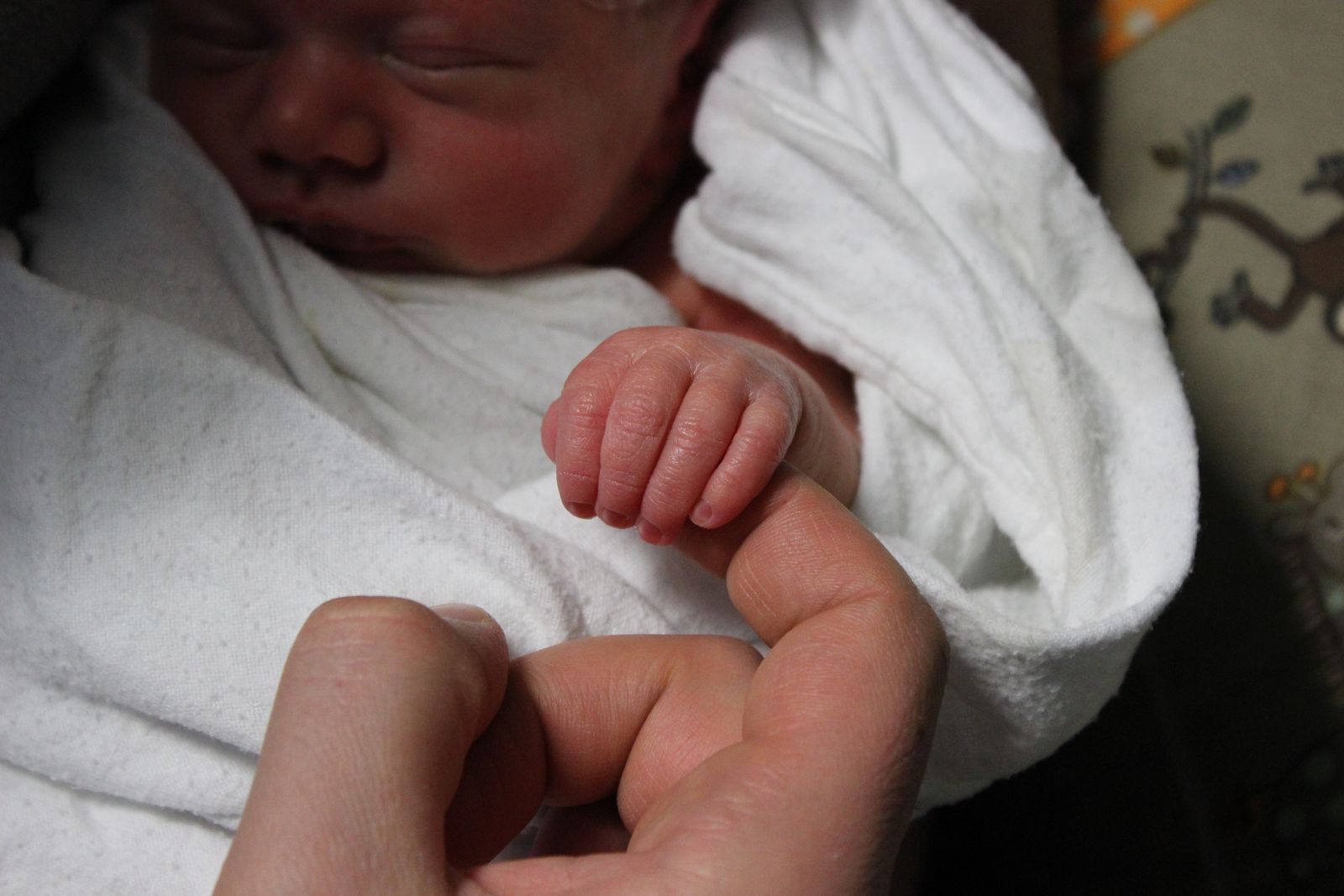
A nursing strike can feel like rejection, especially when your baby happily takes a bottle from someone else and screams at you. Something is bothering her, she can’t tell you what, and refusing is the only way she has to say it.
Tonight, pump before bed, give her what she needs another way, and offer the breast once while she’s sleepy and skin to skin. If she turns away, cuddle her anyway and try again tomorrow. Most babies find their way back within a few days, and your milk will still be there when she does.
Frequently asked questions
What is a nursing strike?
A nursing strike is when a baby who has been breastfeeding well suddenly refuses the breast for a day or more. It usually comes on fast, and the baby is clearly upset about it, which is how you tell it apart from natural weaning.
How long does a nursing strike last?
Most nursing strikes last 2 to 4 days. Some go on for a week or a little longer, especially if the cause, like an ear infection or teething pain, takes time to clear up. Keeping your supply up while you wait is what lets you pick right back up when it ends.
Is my baby on a nursing strike or weaning?
Babies rarely wean on their own before 12 months. Weaning is gradual and calm, with feeds dropping slowly over weeks. A strike is sudden, and your baby usually seems hungry, cranky, and frustrated at the breast. If it happened overnight and your baby is under a year, it’s almost always a strike.
Will a nursing strike hurt my milk supply?
It can if you don’t remove milk while it lasts. Pump or hand express about as often as your baby used to nurse, including at night, so your breasts keep getting the signal to make milk and you avoid engorgement or a clogged duct.
How do I feed my baby during a nursing strike?
Offer your pumped milk by cup, spoon, syringe, or a slow-flow bottle with paced feeding. Count wet diapers so you know your baby is getting enough. Six or more wet diapers a day after the first week is a good sign.
When should I call the doctor about a nursing strike?
Call your pediatrician if your baby has fewer wet diapers, a fever, signs of ear pain, white patches in the mouth, or seems sleepy and hard to wake. Also call if the strike lasts more than a few days and your baby isn’t taking enough milk any other way.