
TL;DR
If your thawed or chilled milk smells soapy or metallic, high lipase is the likely cause. The milk is safe and still full of nutrition, but some babies won't drink it. Test how fast your milk changes, scald fresh milk before storing it if needed, and mix any changed milk with fresh milk to get it down.
You open the freezer, thaw a bag of milk you worked hard for, and it smells like soap. Your baby takes one sip, makes a face, and pushes the bottle away. Now you’re staring at 60 bags in the freezer wondering if every single one is ruined. Take a breath. Your milk is almost certainly safe, and there’s a good chance you can still use it.
First, the part that will feel familiar: you sniff the bag 4 times, ask your partner to sniff it, and Google “breast milk smells soapy” at midnight. You’re in good company. This is one of the most common surprises for pumping moms.
What is high lipase breast milk?
Lipase is an enzyme that every mom has in her breast milk. Its job is to break fat into small pieces so your baby can digest it and get the energy. That’s a good thing. It keeps working after the milk leaves your body, though, and that’s where the trouble starts.
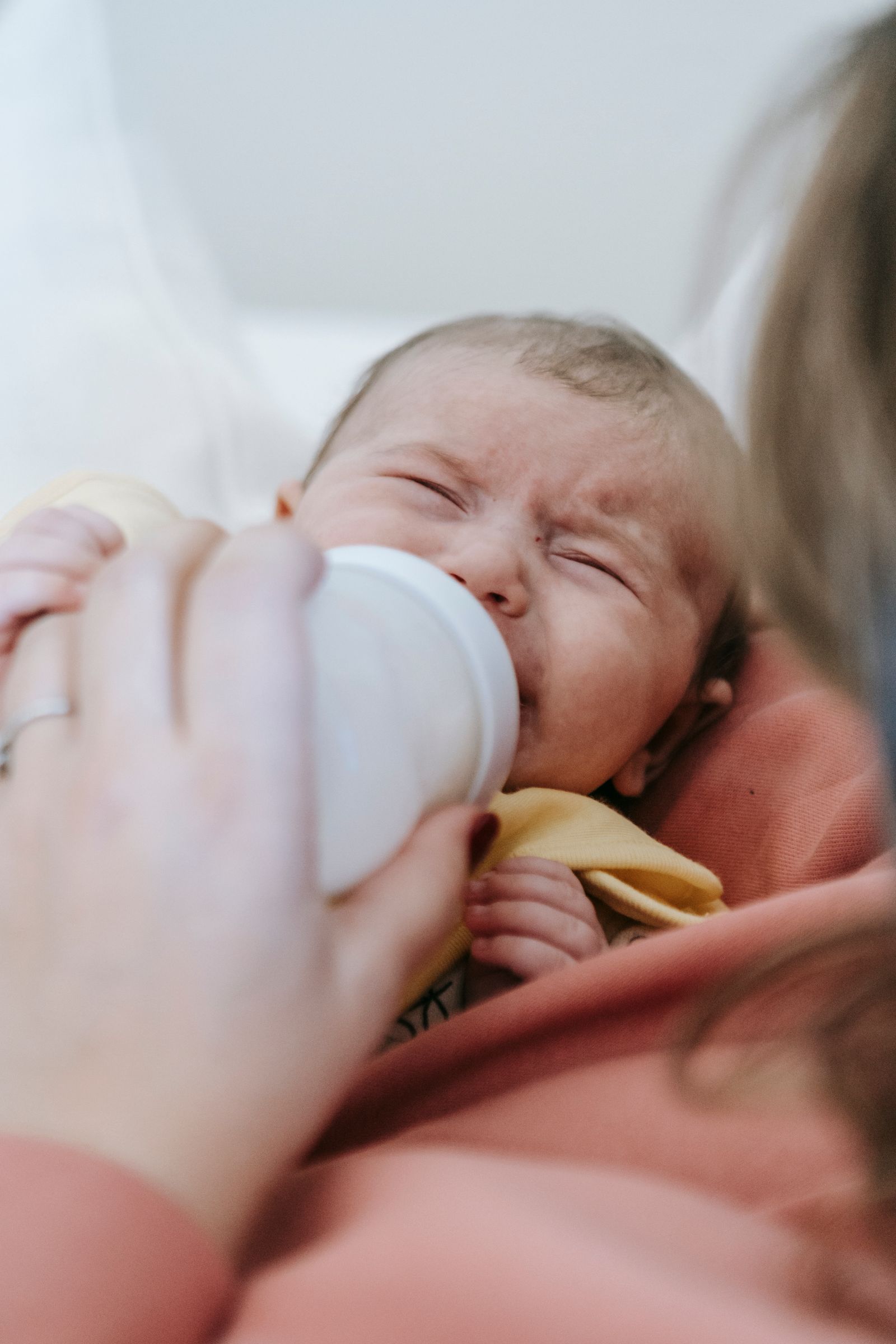
When milk sits in the fridge or freezer, lipase keeps breaking down fat. Those broken-down fats give the milk a soapy, metallic, or slightly fishy smell. Some moms have milk where this happens fast, sometimes within a day. That’s what people mean by “high lipase.”
A few things to know:
- It isn’t a medical condition. It’s just how your milk behaves in storage. There’s no lab test, and you didn’t do anything wrong.
- Fresh milk tastes normal. Straight from the breast or right after pumping, your milk is fine. The change only shows up after storage.
- Freezing slows it but doesn’t stop it. A home freezer isn’t cold enough to fully shut lipase down. That’s why a bag can taste fine at 1 week and soapy at 1 month.
Is high lipase milk safe?
Yes, high lipase milk is safe. The fat is broken down, not spoiled. The protein, sugar, vitamins, and antibodies are still there. There’s no evidence it upsets your baby’s tummy or causes any health problem.
The real issue is taste. Plenty of babies drink it without blinking. Others refuse it flat out. If your baby drinks it, keep using it. You don’t need to fix anything.
Here’s how to tell high lipase from milk that has truly gone bad:
| High lipase milk | Spoiled milk |
|---|---|
| Smells soapy, metallic, or a little fishy | Smells sour, like old cow’s milk |
| Shows up after a day or more in storage | Shows up after milk was left out too long or thawed and kept too long |
| Safe to drink | Not safe. Toss it |
| Baby may refuse the taste | Don’t offer it |
If you’re not sure, taste it yourself. Soapy is lipase. Sour is spoiled. For the full rules on how long milk lasts, see our breast milk storage guide.
How to test your milk for high lipase
Before you build a big freezer stash, run a quick test. This tells you how many hours you have before your milk changes, so you know whether you need to scald at all.
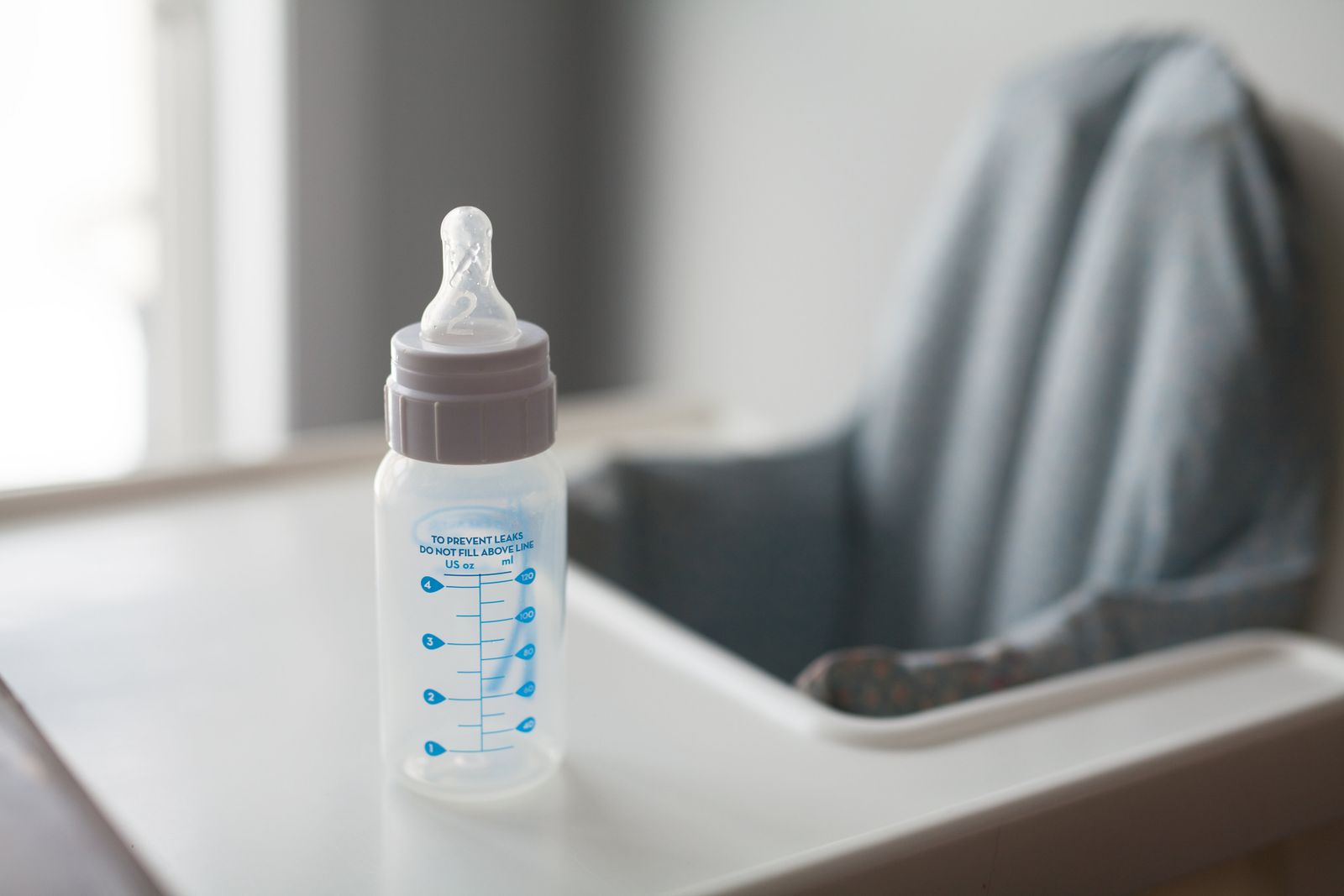
- Pump one session and split it into 4 or 5 small portions, about 1 ounce each.
- Put them all in the fridge and label them.
- Smell and taste one at 12 hours, 24 hours, 48 hours, and 72 hours.
- Freeze one more portion and check it after 1 week, then again at 2 to 4 weeks if you can wait.
- Write down when the taste first changes.
If your milk tastes fine at 72 hours and after a week in the freezer, you probably don’t need to do anything. If it turns soapy at 24 hours, plan to freeze or scald milk well before that point.
Then test it on your baby. Your nose matters less than your baby’s mouth. Offer a small bottle of the changed milk. If they drink it happily, you’re done. If they fuss and refuse, it’s time to scald.
How to scald breast milk, step by step
Scalding heats fresh milk just enough to turn lipase off, so the taste can’t change in storage. It only works on fresh milk. It can’t fix milk that already smells soapy.
1. Scald as soon as you can after pumping. The clock starts the moment milk leaves your body. The sooner you heat it, the less time lipase has to work. If you can’t scald right away, keep the milk cold and scald within your safe window from the test above.
2. Pour the milk into a small, clean pot. Use a stainless steel pot on the stove. You can also use a bottle warmer with a scald setting, if yours has one.
Track every feed without the spreadsheet
Latchly times each side, logs pumps, and shows you the patterns. Free to start.
3. Heat over medium-low and watch closely. You want small bubbles around the edge of the pot, not a full boil. That’s about 180°F (82°C). A cheap kitchen thermometer takes the guesswork out.
4. Take it off the heat right away. Don’t let it boil. Boiling breaks down more of the good stuff than you need to.
5. Cool it fast in an ice bath. Set the pot or a clean bottle of milk in a bowl of ice water. Stir now and then until it’s cold. Quick cooling keeps bacteria out of the picture.
6. Store it like normal milk. Pour it into storage bags or bottles, label them “scalded” with the date, and refrigerate or freeze.
7. Do a taste check after a week. Thaw one scalded bag after 7 days in the freezer. If it tastes normal, your scalding routine is working.
Scalding does lower some of the live immune cells and a few enzymes. The protein, fat, sugar, and most antibodies stay. If scalding means your baby will actually drink the milk, it’s worth it.
How to use milk that already smells soapy
You can’t undo the change, but you can often still use the milk. Don’t dump your stash until you’ve tried these.
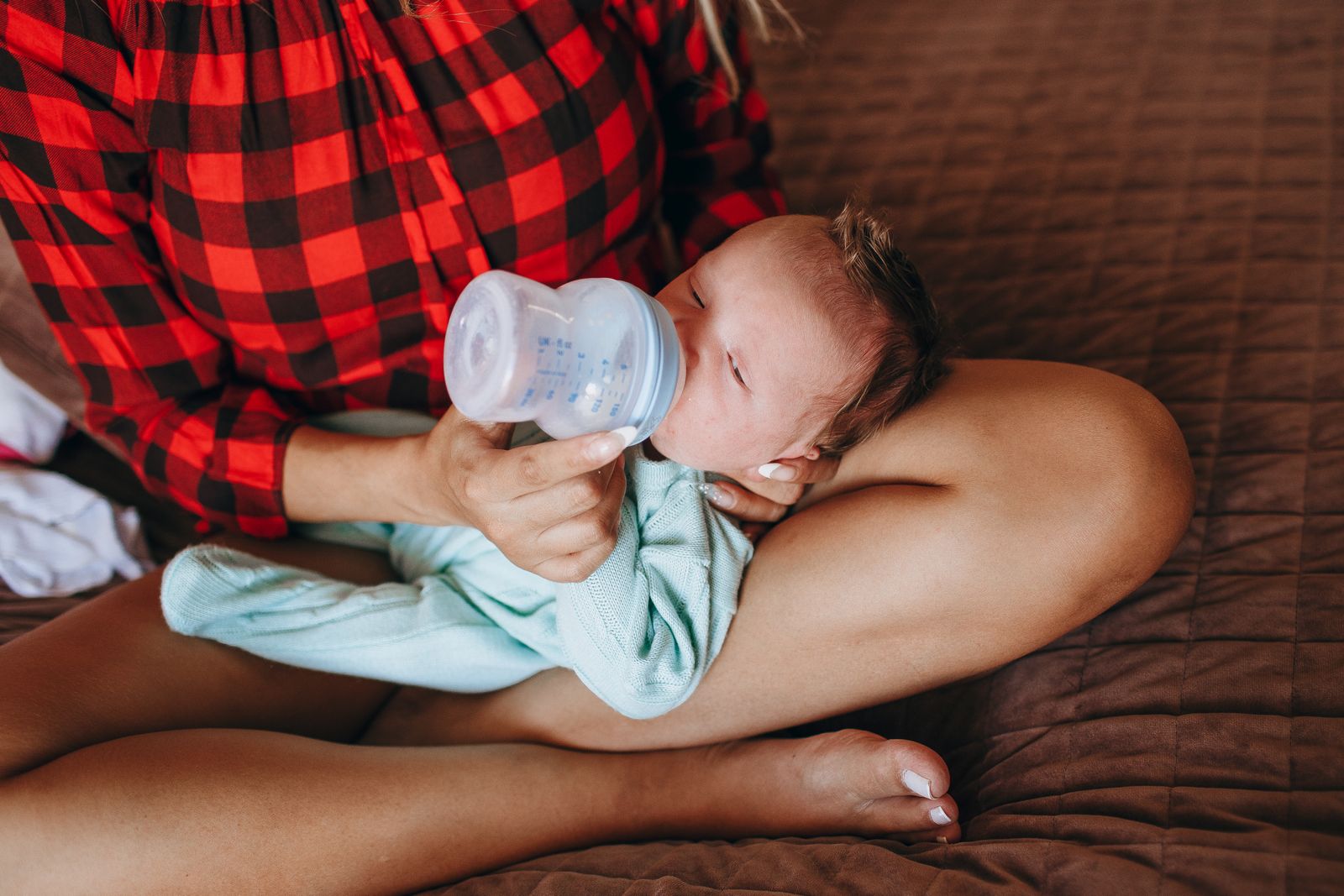
- Mix it with fresh milk. Start with 1 part stored milk to 3 parts fresh. If your baby takes it, slowly shift toward half and half. Many babies won’t notice.
- Try a different temperature. Some babies take soapy milk better warm, others better cool. Test both.
- Offer it when your baby is calm and a bit hungry, not starving. A frantic baby is less patient with a new taste.
- Use it in food once your baby starts solids. Soapy milk mixed into oatmeal, purees, or pancakes works fine. Our guide to starting solids has ideas.
- Ask a milk bank. Some milk banks accept high lipase milk because they pasteurize everything anyway. Call and ask before you pump and dump it.
- Use it in a milk bath. If nothing else works, a few ounces in bath water is soothing for dry or itchy baby skin.
If your baby refuses all bottles, not only stored milk, the problem may not be lipase. Check our guide to bottle refusal and try paced bottle feeding.
How to keep your future stash from turning
A few small habits go a long way, even if you never scald.
- Chill milk right away. Don’t let it sit out on the counter after a pumping session. Get it cold fast.
- Freeze sooner. If your milk turns at 48 hours in the fridge, freeze anything you won’t use within 24 hours.
- Use a deep freezer if you can. It runs colder than a fridge freezer and slows lipase more.
- Use the oldest milk first. First in, first out keeps any bag from sitting too long. See our freezer stash plan for a simple system.
- Keep testing. Lipase activity can change over time. Do a quick taste check every few weeks.
If you’re exclusively pumping, scalding every session takes time. Many moms scald only the milk headed for the freezer and use fridge milk within their safe window.
When to call your pediatrician
High lipase on its own is not a reason to worry. Call your pediatrician or a lactation consultant if:
- Your baby refuses all milk, including fresh milk or the breast, for more than a feed or two
- Your baby has fewer than 6 wet diapers a day after day 5
- Your baby seems to be losing weight or not gaining
- Your baby has a fever, is vomiting, or seems unusually sleepy or floppy
- Your milk smells or tastes sour, and you’ve been feeding it
- Your baby has blood in their stool, a rash, or hives after feeds
The thing I wish I’d known

Soapy milk is not a sign that something is wrong with you or your body. It’s chemistry. Every ounce you pumped still counts, and most of it can still feed your baby in some way.
If you find out late and lose part of your stash, let yourself be sad about it. That milk took real hours. Then do the small test, pick a plan, and move forward. Today’s next step is simple: pump one session, split it into 4 portions, and start the clock.
Frequently asked questions
Is high lipase breast milk safe for my baby?
Yes. Lipase is a normal enzyme in every mom’s milk. It breaks down fat, which changes the smell and taste, but the milk is still safe and nourishing. The only problem is that some babies don’t like the taste.
How do I know if my milk has high lipase or has gone bad?
High lipase milk smells soapy, metallic, or a little fishy. Spoiled milk smells sour, like old cow’s milk, and may taste sour too. If it smells sour, toss it.
Can I fix milk that already smells soapy?
No. Once the fat has broken down, scalding or any other step can’t undo it. You can still use it by mixing it with fresh milk, or ask a milk bank if they take it.
How do I scald breast milk?
Heat fresh milk in a small pot until tiny bubbles form around the edge, about 180°F. Don’t let it boil. Then cool it fast in an ice bath and store it as usual.
Does freezing stop lipase?
No. A home freezer slows lipase down but doesn’t stop it. That’s why milk can taste fine after a week in the freezer and soapy after a month.
Does scalding breast milk destroy the nutrients?
Scalding lowers some of the live immune cells and a few enzymes, but the protein, fat, sugar, and most antibodies stay. Scalded breast milk is still far better than milk your baby refuses to drink.