TL;DR
Cow's milk protein allergy (CMPA) happens when your baby reacts to dairy protein that passes into your milk. Common signs are mucus or streaks of blood in the poop, eczema, big spit-ups, and a baby who seems uncomfortable most of the day. If your pediatrician agrees, you cut all dairy for 2 to 4 weeks, watch for change, then add it back to confirm. You don't need to stop breastfeeding.
Your baby is fussy, there’s mucus in the diaper, and someone just told you to “cut dairy.” Now you’re standing in the kitchen reading the label on a granola bar and wondering if cheese is the reason your baby won’t settle. Before you throw out everything in the fridge, let’s sort out what cow’s milk protein allergy really looks like, and what a dairy-free trial actually takes.
First, the part that will feel familiar: you take a photo of every weird diaper and send it to your mom, your best friend, and a group chat. You’re not overreacting. Diaper changes are one of the few clues you get from a baby who can’t talk.
What is cow’s milk protein allergy?
Cow’s milk protein allergy (CMPA) is when your baby’s immune system reacts to the protein in dairy. When you eat or drink dairy, a tiny bit of that protein passes into your breast milk. Most babies don’t notice it at all. A few babies’ bodies treat it like a threat, and their gut or skin gets irritated.

A few things to know right away:
- It isn’t lactose intolerance. Lactose is the sugar in milk. CMPA is about the protein. Babies are almost never truly lactose intolerant, and your breast milk is full of lactose no matter what you eat.
- It isn’t your fault. You didn’t cause it by eating ice cream in pregnancy. Some babies are just wired this way, often in families with allergies, eczema, or asthma.
- It’s not that common in breastfed babies. Estimates say well under 1 in 100 exclusively breastfed babies have it. That’s why it’s worth checking other causes first.
There are two main types. The delayed type is the most common in breastfed babies. It shows up hours or days after exposure, mostly in the gut. The fast type shows up within minutes to 2 hours and can cause hives, swelling, or vomiting. The fast type needs a doctor right away.
Signs of cow’s milk allergy in a breastfed baby
No single sign proves CMPA. Doctors look for a pattern of several signs together. Here’s what to watch for.

Gut signs:
- Mucus in the poop, like strings of snot
- Tiny streaks or flecks of red blood in the poop
- Very runny, frequent, or green poop that doesn’t settle
- Big spit-ups or vomiting, beyond normal happy spitting
- Lots of gas, pulling legs up, and crying during or after feeds
- Constipation with hard, painful poop (less common)
Skin signs:
- Eczema, dry red patches, often on cheeks and in skin folds
- A rash that keeps coming back
Other signs:
- Refusing feeds or arching away from the breast
- Poor weight gain
- Stuffy nose or a cough with no cold
If your baby has mucus in the poop but is happy, feeding well, and gaining weight, that may not be an allergy at all. A single mucusy diaper can come from a cold, teething drool, or a fast letdown. Our guide to breastfed baby poop colors shows what normal looks like.
Is it CMPA or something else?
Lots of things look like a milk allergy in the first months. Ruling these out first saves you weeks of label reading.
| What you see | Could be CMPA | Could also be |
|---|---|---|
| Green, frothy poop | Yes | Too much foremilk or a fast letdown |
| Mucus in poop | Yes | Cold, drool, or a passing gut bug |
| Evening crying | Sometimes | Normal colic and the witching hour |
| Spitting up | Sometimes | Normal spit-up or reflux |
| Red dry patches | Yes | Baby eczema with no food trigger |
| Gas and squirming | Sometimes | Swallowed air, normal newborn gut |
If the signs are mild and your baby is growing well, your pediatrician may suggest waiting a bit. If there’s blood, poor weight gain, or several signs at once, a dairy-free trial makes more sense.
How to do a dairy-free trial, step by step
Talk to your pediatrician before you start. They can rule out other causes, check weight, and make sure the trial is set up to give you a clear answer. Then follow these steps.
1. Cut all dairy, not just milk. That means milk, cheese, yogurt, butter, cream, ice cream, and anything made with them. Half-cutting dairy won’t give you a clear answer.
2. Read every label. Look for milk, whey, casein, caseinate, lactalbumin, ghee, and milk solids. In the US, milk has to be listed as an allergen, so check the “Contains” line too.
Track every feed without the spreadsheet
Latchly times each side, logs pumps, and shows you the patterns. Free to start.
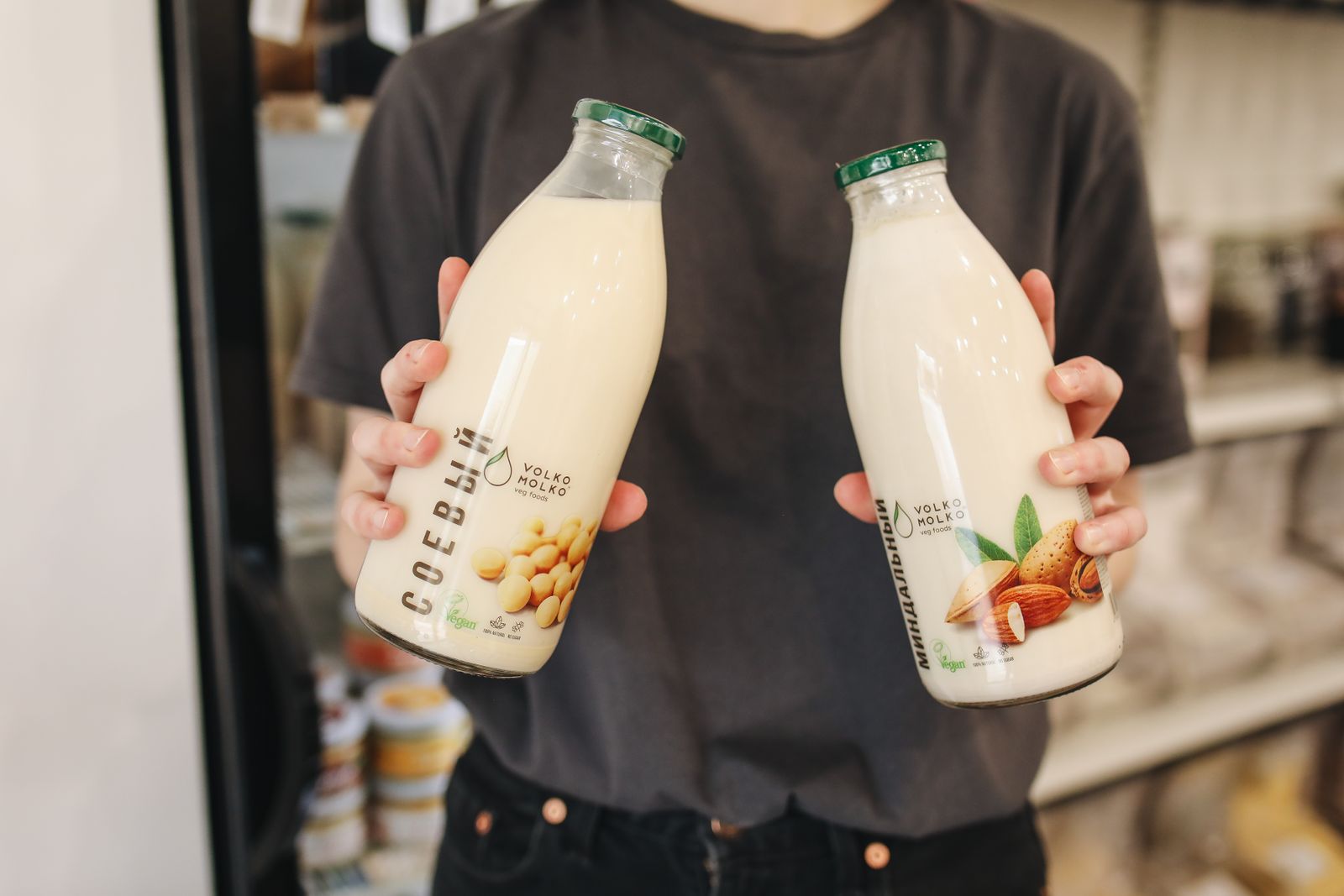
3. Skip the lookalikes. Goat milk, sheep milk, and lactose-free milk all still have proteins that can cause the same reaction. Choose oat, soy, pea, or almond milk instead.
4. Give it 2 to 4 weeks. Dairy protein takes about 1 to 2 weeks to fully clear from your milk, then your baby’s gut needs time to calm down. Many moms see small changes in week 1 and bigger changes by weeks 2 to 4.
5. Keep a simple log. Write down poop, spit-up, skin, and fussiness each day. A quick note on your phone is enough. It helps you see real change instead of guessing on a hard day.
6. Protect your own nutrition. Dairy gives you a lot of calcium. Ask your doctor about a calcium supplement and keep taking your vitamin D. A dietitian can help you build easy meals.
7. Add dairy back to confirm. If your baby gets better, your doctor may ask you to add dairy back for about a week. If the signs come back, you have your answer. If they don’t, dairy wasn’t the problem, and you get your cheese back.
What to eat on a dairy-free diet while breastfeeding
You don’t need a fancy meal plan. You need a short list of easy swaps. Breastfeeding makes you hungry, so the goal is to keep eating enough while you cut dairy. Dairy is the only thing on your plate that needs to go for this. For everything else, see the short list of foods to avoid while breastfeeding.
- Breakfast: oatmeal with oat milk and peanut butter, toast with avocado, eggs (eggs are not dairy).
- Snacks: fruit, nuts, hummus and crackers, dairy-free granola bars (check the label).
- Lunch and dinner: rice bowls, pasta with olive oil or tomato sauce, tacos with no cheese, soups made without cream.
- Treats: dark chocolate without milk, sorbet, dairy-free ice cream.
- Calcium: fortified oat or soy milk, tofu, canned salmon with bones, beans, and leafy greens.
Restaurant meals and baked goods are the easy places for hidden butter and milk to sneak in. Ask, or keep it simple for the trial weeks. If you’re also eating to keep your supply up, our list of foods that help milk supply has plenty of dairy-free picks.
Do you need to cut other foods too?
Usually not at first. Dairy is by far the most common trigger. Many doctors also mention soy, because some babies with CMPA react to soy too. If cutting dairy alone doesn’t help, your doctor may suggest also removing soy.
Try not to cut five foods at once unless a doctor or dietitian is guiding you. Big elimination diets are hard to stick with, can leave you underfed, and make it harder to tell what actually helped.
When to call your pediatrician
Call your pediatrician the same day if you see:
- More than a few streaks of blood in the poop, or blood in every diaper
- Vomiting that’s forceful or happening after most feeds
- Fewer than 6 wet diapers a day after the first week
- Poor weight gain or weight loss
- Refusing most feeds
- Eczema that’s cracked, weeping, or looks infected
Call 911 or go to the ER right away if your baby has hives, swelling of the face or lips, trouble breathing, or goes pale and floppy. These are signs of the fast type of allergy.
The thing I wish I’d known

You can stop wondering if your milk is “bad.” It isn’t. Even with a milk allergy, your breast milk is still exactly the food your baby needs. The change is in your plate, not in your body or your baby’s future.
Going dairy-free for a few weeks is a real effort. You’ll miss pizza. You’ll read more ingredient lists than you ever wanted to. But it’s temporary, and it gives you a clear answer either way. Most babies with CMPA outgrow it by their first birthday or soon after.
Your next step: write down today’s signs, call your pediatrician, and ask if a 2 to 4 week dairy-free trial makes sense for your baby. Then stock up on oat milk and one treat that makes you happy.
Frequently asked questions
Can a breastfed baby have a cow's milk protein allergy?
Yes. A small amount of the protein from the dairy you eat passes into your milk. Most babies handle it fine, but a few react to it. It’s less common in breastfed babies than in formula-fed babies, but it does happen.
How long does it take dairy to leave breast milk?
Cow’s milk protein can take about 1 to 2 weeks to fully clear from your milk, and your baby’s gut needs time to heal after that. That’s why a dairy-free trial lasts 2 to 4 weeks, not 2 or 3 days.
What does CMPA poop look like in a breastfed baby?
It often has strings of mucus, like snot, and sometimes tiny streaks or flecks of red blood. It may also be very runny, green, or more frequent than usual. A baby can have this poop and still be happy and growing well.
Do I have to stop breastfeeding if my baby has a milk allergy?
No. In most cases you keep breastfeeding and remove dairy from your own diet. Your milk is still the best food for your baby. Switching to formula means a special hypoallergenic formula, so it isn’t an easy shortcut.
Is goat's milk or lactose-free milk OK on a dairy-free trial?
No. Goat and sheep milk proteins are so close to cow’s milk that most allergic babies react to them too. Lactose-free milk still has the milk protein. Only the sugar is removed, so it doesn’t count as dairy-free.
Will my baby grow out of cow's milk protein allergy?
Most do. Many babies outgrow it by their first birthday, and most by age 3. Your pediatrician or a dietitian will guide you on when and how to test dairy again.