
TL;DR
A milk bleb is a tiny white, yellow or clear dot on the nipple caused by inflammation at a duct opening, not a plug of stuck milk. Don't pop it, needle it or scrub it. Keep nursing normally, use ibuprofen and cool compresses for the swelling, take the pressure off that spot, and ask your provider about lecithin or a steroid cream if it lingers past a week or keeps coming back.
There’s a tiny white dot on your nipple, and every time your baby latches it feels like a needle. You’ve looked at it a hundred times. You’ve maybe tried to squeeze it. You’ve definitely googled “white spot on nipple breastfeeding” at 2am. That dot is a milk bleb, and the good news is that it almost always clears on its own with the right care. The bad news is that most of the advice online will make it worse.
First, the part that will feel familiar: you’ve thought about popping it. Maybe you’ve already tried. Please keep reading before you try again.
What is a milk bleb?
A milk bleb, also called a milk blister, is a small white, yellow or clear dot on the tip of your nipple. It’s usually smaller than a grain of rice. It sits right over one of the tiny openings where milk comes out, and it often hurts in a sharp, pinpoint way when your baby sucks.
For years, blebs were described as a bit of thickened milk stuck in the duct, or skin that grew over the opening. The newest guidance from breastfeeding medicine doctors sees it differently. A bleb is a spot of inflammation at the duct opening. The swelling narrows the opening, milk backs up behind it, and the pressure is what hurts. That’s why squeezing or poking doesn’t fix the problem. The dot isn’t the problem. The swelling underneath it is.
Blebs can come with a tender or firm spot further back in the breast, where milk is backing up behind the narrowed duct. If that spot gets red, hot or painful, read our guide to mastitis symptoms and treatment, because the two can overlap.
Why you should never pop a milk bleb
Popping, picking or needling a bleb at home is the one thing every expert now agrees you should not do. Here’s why.
- It opens the skin. Your nipple is warm, moist and in a baby’s mouth eight to twelve times a day. A tiny open wound there is an easy way to get a bacterial infection.
- It can scar the duct opening. Scar tissue makes the opening narrower, which means the next bleb is more likely, not less. Many moms who get bleb after bleb in the same spot started with a needle.
- It doesn’t treat the cause. Even if you get a bit of white out, the inflammation is still there. The dot often refills within a day.
The same goes for scrubbing it with a washcloth, soaking it in hot salt water until the skin breaks, or pressing hard behind it to “push the plug out.” Deep, hard massage of the breast is now off the list too. It bruises tissue and makes swelling worse.
If a bleb truly needs to be opened, your doctor or an IBCLC can do it with a sterile needle in a clean setting, and then treat the inflammation so it doesn’t come straight back. That’s a last step, not a first one.
How to clear a milk bleb at home, step by step
Most blebs clear in a few days to two weeks when you calm the inflammation and take the pressure off. Here’s what to do, in order.
-
Keep feeding normally, on both sides. Milk still flows around the bleb, and regular emptying keeps the backup from building. Don’t add extra feeds or pumping sessions on the sore side, though. More stimulation means more milk, which means more pressure behind the narrowed duct.
-
Take ibuprofen if it’s safe for you. It’s compatible with breastfeeding and it works on the actual problem, which is swelling. Follow the package dose and check with your doctor if you have any reason to avoid it.
-
Use a cool compress between feeds. Ten to fifteen minutes of cold, wrapped in a thin cloth, brings the swelling down. Warm compresses were the old standard advice. Warmth before a feed is fine for comfort and letdown, but cold is what reduces inflammation.
-
Take the pressure off that spot. Check your bra, your pump flange, and your latch. A seam or underwire pressing on one spot, a flange that’s too small or too large, or a shallow latch that pinches the nipple tip are the three most common causes. Our guide to getting a deep latch walks you through the fix for the third one.
-
Try a different position for a few feeds. Changing the angle changes where your baby’s jaw puts pressure on the nipple. If the bleb sits at 2 o’clock, a breastfeeding position that puts your baby’s chin on the other side can help the sore spot rest.
Get the appTrack every feed without the spreadsheet
Latchly times each side, logs pumps, and shows you the patterns. Free to start.
-
Keep the nipple soft and moist. A thin layer of purified lanolin or a breast milk rub after feeds helps the skin over the bleb loosen on its own. Don’t pick at it when it starts to lift. Let it come off during a feed.
-
Give it a week before you add anything. If it’s still sore after seven days, or it’s cleared and come right back, move on to the next section.
When a bleb keeps coming back
One bleb is bad luck. Three blebs in the same spot is a pattern, and patterns have causes. The usual suspects:
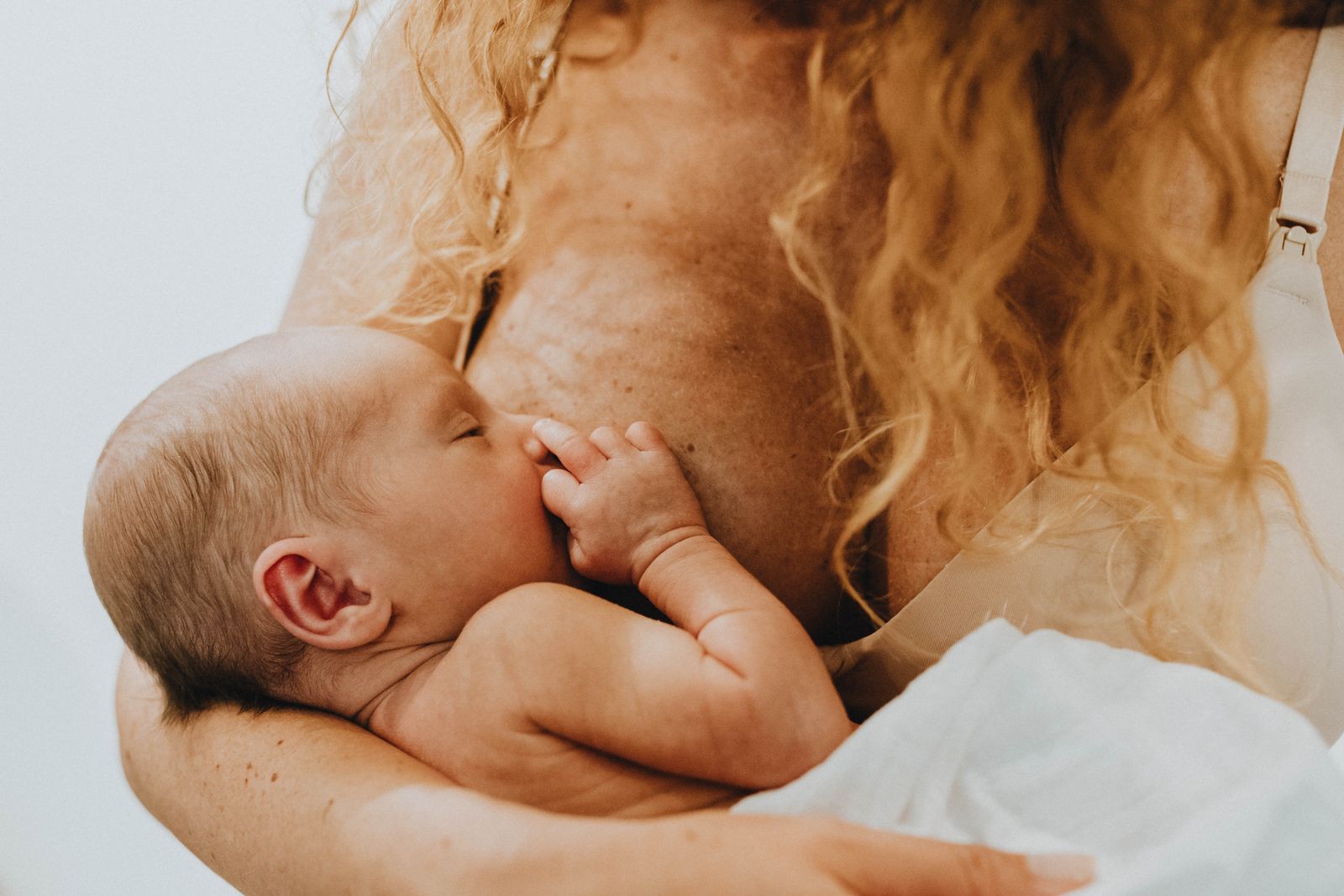
- A shallow latch. If your nipple comes out of your baby’s mouth looking flat, creased or lipstick-shaped, the tip is getting pinched. A pinched tip gets inflamed. A tongue tie can make a deep latch hard even when you’re doing everything right.
- The wrong flange size. Too small and the nipple rubs the tunnel. Too large and the areola gets pulled in and the nipple swells. If you pump, measure your nipple diameter and check the fit. Our hands-free pump guide has a section on sizing.
- Oversupply. More milk means more pressure in every duct, and blebs love pressure. If you leak a lot, feel full all the time, or your baby chokes at letdown, our guide to oversupply and overactive letdown can help you bring supply down gently.
- Pressure from outside. A tight bra, an underwire, a nursing pad that’s bunched up, or sleeping on your stomach. All of these press on one spot for hours.
- Engorgement. When the breast is overfull, ducts narrow. The first days your milk comes in, and any time you skip feeds, are peak bleb times. Our engorgement relief guide covers the fix.
Does lecithin help? Many lactation providers suggest sunflower or soy lecithin for repeat blebs. The idea is that it makes milk fat less sticky so it flows through narrow spots more easily. A common dose is one 1,200 mg capsule three to four times a day. The evidence here comes from clinical experience, not big studies, so talk to your provider before you start, especially if you have a soy allergy.
What about steroid cream? For a stubborn bleb that won’t settle, breastfeeding medicine doctors sometimes prescribe a short course of a mild steroid cream to put on the spot after feeds. It treats the inflammation directly. This is a prescription, so it’s a conversation with your doctor, not something to try from the drugstore shelf.
Milk bleb or thrush? How to tell
These two get mixed up all the time, and the treatments are completely different. Antifungal cream will do nothing for a bleb, and the wrong diagnosis can cost you weeks.
| Milk bleb | Thrush | |
|---|---|---|
| What you see | One tiny white, yellow or clear dot on the nipple tip | Shiny, pink, flaky or cracked skin, often on both nipples |
| Where it hurts | One sharp pinpoint, right where the dot is | Burning or itching across the whole nipple and areola |
| When it hurts | During the feed, mostly at latch | During and long after, sometimes deep shooting pain |
| Both sides? | Usually one | Usually both |
| Your baby | Fine | May have white patches in the mouth or a stubborn diaper rash |
If your symptoms look more like the right column, our guide to sore nipples vs thrush walks through what to do next.
There’s one more look-alike. A friction blister from a shallow latch or a bad flange is a clear, fluid-filled bubble that can be larger than a bleb and isn’t centered on a duct opening. It heals like any blister once the rubbing stops. Same rule applies: don’t pop it.
When to call your doctor or lactation consultant
Most blebs don’t need a visit. Call if you see any of these:
- The bleb is still there and still sore after two weeks of home care
- You’ve had three or more blebs in the same spot
- A red, hot, swollen or painful area is spreading in the breast
- You have a fever over 100.4°F, chills, or feel like you have the flu
- The pain is so sharp you’re skipping feeds or dreading them
- The dot is growing, bleeding, or looks more like a sore than a blister
- You’re not sure whether it’s a bleb, thrush or something else
A fever with a hot, red breast is mastitis until proven otherwise. Don’t wait on that one. Same-day call.
The thing I wish I’d known
Nobody tells you how much of breastfeeding is about tiny things. A dot smaller than a grain of rice can take over your whole day. You’ll feed with your jaw clenched. You’ll think about it between feeds. You’ll feel a little crazy for how much headspace it’s taking.
You’re not crazy. Nipple pain is real pain, and it hits at the exact moment you’re supposed to feel close to your baby. That’s hard. But the fix for a bleb is almost always less, not more. Less pressure, less poking, less panic. Calm the swelling, take the weight off that spot, and give your body a week to do what it already knows how to do.
Tonight, put the needle away, grab a cool cloth and some ibuprofen, and check your bra for the seam that’s been sitting on that exact spot. That’s the whole plan. It’s enough.
Frequently asked questions
What is a milk bleb?
A milk bleb, also called a milk blister, is a small white, yellow or clear dot on the tip of the nipple. It sits over a duct opening and often causes a sharp, pinpoint pain during feeds. Current guidance treats it as inflammation at the duct opening rather than a plug of stuck milk.
Should I pop a milk bleb?
No. Popping, picking or needling a bleb at home opens the skin, invites infection, and can scar the duct opening so blebs come back more often. If a bleb needs to be opened, a doctor or lactation professional can do it with sterile tools.
How do I get rid of a milk bleb at home?
Keep feeding normally, take ibuprofen for the inflammation if it’s safe for you, use a cool compress between feeds, and take any pressure off that spot from bras, pump flanges or a shallow latch. Many blebs clear within a week or two with just that.
How long does a milk bleb last?
Most clear within a few days to two weeks once the inflammation calms down. If it’s still there after two weeks, if it keeps coming back, or if the pain is making you dread feeds, see a lactation consultant or your doctor.
Is it a milk bleb or thrush?
A bleb is one small dot on the nipple tip with sharp pain in that exact spot. Thrush is usually both nipples, with shiny, pink, flaky or itchy skin and a burning pain that lasts after the feed, and your baby may have white patches in their mouth. Antifungal cream won’t help a bleb.
Does lecithin help with milk blebs?
Many lactation providers recommend sunflower or soy lecithin for blebs that keep coming back. It may make milk less sticky so it flows more easily. The evidence is from clinical experience, not large studies, so ask your provider about a dose before starting it.