
TL;DR
Keep breastfeeding when you're sick. Your baby was already exposed before you felt bad, and your milk now carries antibodies that help protect them. Tylenol, ibuprofen, saline spray, loratadine or cetirizine, and plain cough syrup are all considered safe. Go easy on Sudafed, since it can drop your milk supply, and read the label on every combo cold pill.
You wake up with a scratchy throat, a pounding head, and a baby who still wants to eat every 2 hours. Your first worry isn’t even you. It’s “Am I going to make the baby sick?” and “What can I take without hurting my milk?” Here’s the short answer: keep nursing, and most of the normal cold aisle is fine. A few products need a second look.
First, the part that will feel familiar: you stand in the pharmacy at 9pm, flipping boxes over and googling every ingredient while your partner texts “did you find something?” You’re not being dramatic. You’re being careful, and that’s the right instinct.
Can you breastfeed when you’re sick?
Yes. For colds, the flu, COVID, and stomach bugs, keep breastfeeding. That’s the advice from the CDC and nearly every lactation group. It sounds backwards, but stopping is the riskier move.

Here’s why:
- Your baby was already exposed. Most bugs spread for a day or two before you feel sick. By the time you notice, your baby has met the germ already.
- Your milk is now custom medicine. Your body makes antibodies to the exact bug you have, and they pass into your milk. Studies of moms with COVID found virus-specific antibodies in their milk, but not the virus itself.
- Stopping suddenly can hurt you. Skipping feeds can lead to engorgement, clogged ducts, and even mastitis, which is the last thing you need on top of a cold.
The few times you’d pause are rare and a doctor will tell you. Examples include some medicines for cancer and a few serious infections. A cold, flu, or stomach bug is not one of them.
How to keep your baby from catching it
You can’t make your house germ-free, but you can cut down how much your baby gets. These are the simple habits that matter most.
- Wash your hands before every feed and after every nose blow.
- Wear a mask while you nurse or hold your baby close if you’re coughing or sneezing.
- Cough and sneeze into a tissue or your elbow, then wash.
- Don’t kiss your baby’s face or hands for a few days. Kiss the top of their head instead.
- If you’re too sick to hold your baby, pump and let someone else give the milk in a bottle. Paced bottle feeding helps keep it close to how they nurse.
If your baby does catch it, keep feeding often. A stuffy baby may want shorter, more frequent feeds. Our guide to newborn congestion relief covers saline drops and suction, and baby’s first fever walks through when a fever means calling right away.
7 cold and flu meds that are safe while breastfeeding

These are the picks most doctors and lactation consultants are comfortable with. Only a tiny amount gets into your milk, and they’ve been used by nursing moms for years. Always follow the dose on the box, and choose single-ingredient products when you can.
1. Acetaminophen (Tylenol). Your go-to for fever, aches, headache, and sore throat. It’s one of the most studied medicines in breastfeeding.
2. Ibuprofen (Advil, Motrin). Also great for fever and body aches. Very little passes into milk. Take it with food so it’s easier on your stomach.
3. Saline nasal spray or rinse. No drug at all, just salt water. It thins mucus and clears a stuffy nose without touching your supply. Use it as often as you like.
4. Loratadine (Claritin) or cetirizine (Zyrtec). For a runny nose and sneezing. These are the non-drowsy antihistamines, and they’re preferred over the older, sleepy kind.
5. Dextromethorphan cough syrup. The “DM” in many cough syrups. It’s considered fine for short-term use. Check that the bottle doesn’t also have a decongestant or alcohol in it.
6. Honey, cough drops, and warm drinks. Honey in tea for your cough is safe for you. It does not pass into your milk in a way that harms your baby. Just never give honey straight to a baby under 1 year.
7. Oseltamivir (Tamiflu), if your doctor prescribes it. If you test positive for the flu, call your doctor early. Tamiflu works best in the first 2 days and is considered safe while breastfeeding.
4 cold meds to skip or use with care
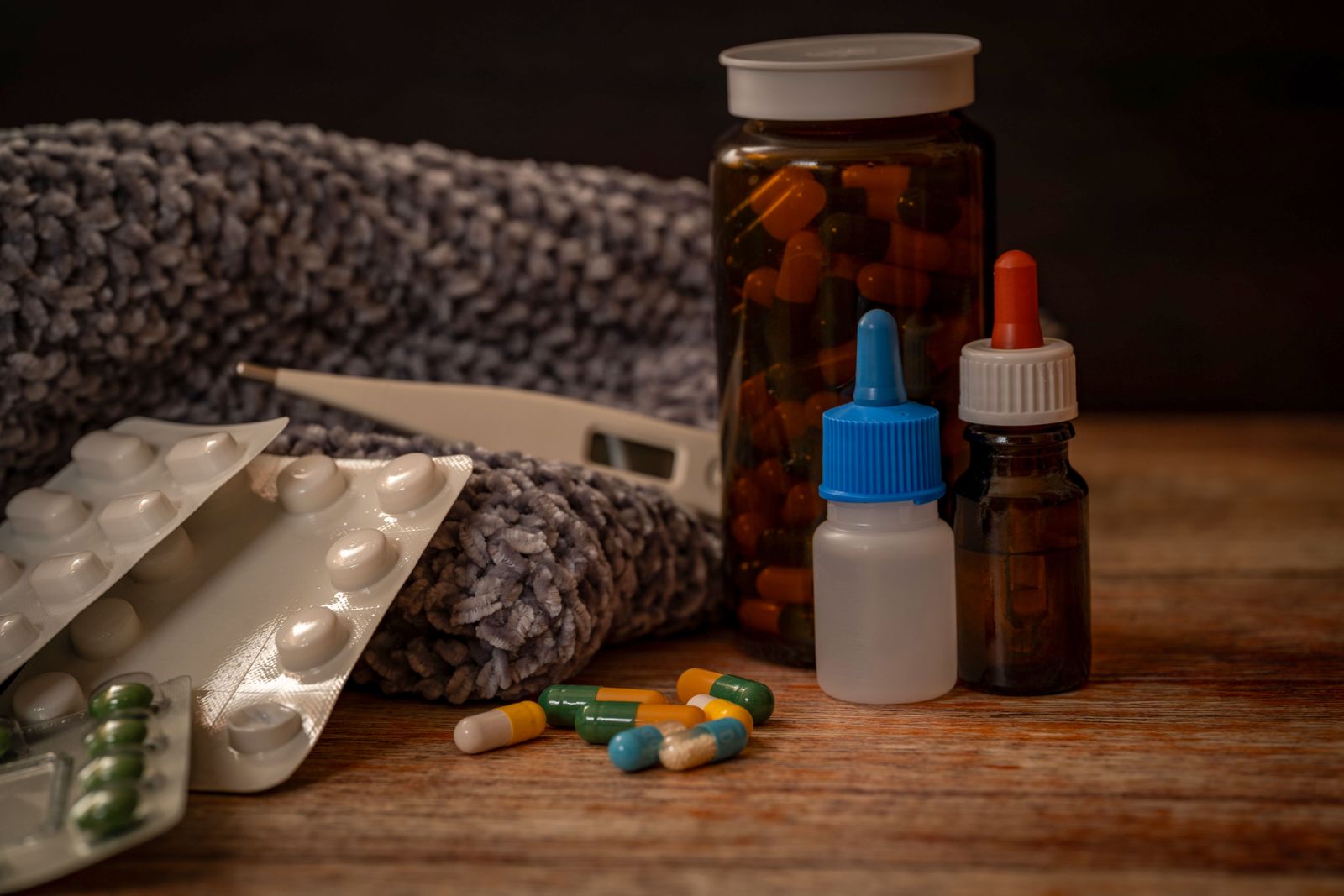
These won’t poison your baby, but they come with a catch. Know what you’re taking and why.
1. Pseudoephedrine (Sudafed, anything with “-D”). Very little reaches your baby, but it can lower your milk supply, sometimes after a single dose. Skip it if your supply is already low or your baby is past 6 months. If you really need it, take one short-acting dose right after a feed, not the 12 or 24-hour kind.
Track every feed without the spreadsheet
Latchly times each side, logs pumps, and shows you the patterns. Free to start.
2. Phenylephrine (most “PE” and multi-symptom pills). In 2023, FDA advisers said the pill form doesn’t work any better than a placebo for stuffiness. It’s not known to be dangerous, it just isn’t helping you. Use saline spray instead.
3. Diphenhydramine (Benadryl) and doxylamine (most “Nighttime” formulas). These make you sleepy, and they can make some babies sleepy too. Heavy use may dip supply. If you take one at night, don’t bed-share, and have someone help with night feeds if you can.
4. Codeine and some prescription cough syrups. Codeine can build up in some babies and slow their breathing. Ask for a different option if you’re offered it. Also skip Pepto-Bismol for a stomach bug, since it contains a salicylate, which is related to aspirin.
The quick rule: if a box lists 4 ingredients, you’re taking 4 drugs. Pick the one that treats your worst symptom and skip the rest. When in doubt, a pharmacist can check any product against the LactMed database in about a minute.
Will being sick lower your milk supply?
It can, for a few days. Fever, not eating much, and not drinking enough all pull your supply down. So can Sudafed. The good news is that a sick-day dip usually comes back once you feel better.
Here’s how to keep the dip small:
- Keep feeding on your normal schedule. Milk removal is what tells your body to keep making milk. If you’re too wiped out to nurse, pump.
- Drink all day. Keep a big water bottle next to wherever you’re resting. Broth, tea, and electrolyte drinks count. With a stomach bug, small sips every few minutes stay down better than big gulps.
- Eat whatever you can. Toast, soup, crackers, and smoothies are fine. You don’t need a perfect meal.
- Rest while you feed. Side-lying nursing in bed lets you doze while your baby eats.
If your supply still feels low a week after you’re better, go back to the basics in our guide on how to increase milk supply. A couple of days of power pumping can also help it rebound.
Breastfeeding with a stomach bug, COVID, or the flu
Stomach bug: Keep nursing. The bigger risk is you getting dehydrated. Wash your hands very well after the bathroom, since these bugs spread through hands, not milk. Loperamide (Imodium) for a day or two is generally considered fine.
COVID: Keep nursing, wear a mask during feeds, and wash your hands. If you get very sick, pumped milk is still great for your baby. Ask your doctor if you qualify for an antiviral.
The flu: Keep nursing and call your doctor early about Tamiflu. Babies under 6 months are too young for their own flu shot, so your antibodies, from your milk and from your own flu shot, are their best protection.
When to call your doctor
Call your doctor, or get help right away, if you have:
- A fever over 102F that won’t come down with medicine, or any fever lasting more than 3 days
- Trouble breathing, chest pain, or lips turning blue
- Signs of dehydration, like dizziness, very dark pee, or not peeing for 8 hours
- Vomiting so much you can’t keep fluids down
- A red, hot, painful spot on your breast with fever, which can be mastitis, not a cold
- Symptoms that get better and then suddenly get worse
Call your pediatrician if your baby has a fever (any fever under 3 months), fewer wet diapers, trouble breathing, or refuses to feed.
The thing I wish I’d known

Being sick with a baby is one of the hardest weeks there is, and you don’t have to power through it alone. Nobody gives you a sick day from feeding. That’s exactly why it’s okay to lower the bar for everything else.
Let the dishes pile up. Let someone else do the diapers and the burping. Nurse in bed with the TV on. Take the Tylenol. Your baby doesn’t need you to be at your best right now. They need you fed, rested, and close, and your milk is already doing a lot of the work.
Here’s your next step: check your medicine cabinet today, before you’re sick, and set aside a plain acetaminophen, a plain ibuprofen, and a saline spray. Future you, at 2am with a fever, will be glad you did.
Frequently asked questions
Can I breastfeed if I have a cold or the flu?
Yes. Colds and the flu don’t pass through breast milk. Your baby was likely exposed before you had symptoms, and your milk now has antibodies made just for this bug. Wash your hands and wear a mask while you nurse if you’re coughing.
Is Sudafed safe while breastfeeding?
Very little reaches your baby, but pseudoephedrine (Sudafed) can lower your milk supply, sometimes after just one dose. If your supply is low, or your baby is older and nursing less, skip it. If you need it, take one short-acting dose right after a feed.
What cold medicine is safe while breastfeeding?
Acetaminophen (Tylenol), ibuprofen (Advil, Motrin), saline nasal spray, loratadine (Claritin), cetirizine (Zyrtec), and dextromethorphan cough syrup are all considered safe. Choose single-ingredient products so you know exactly what you’re taking.
Can I breastfeed with a stomach bug?
Yes. Stomach bugs don’t spread through breast milk. The big risk is you getting dehydrated, which can dip your supply. Sip fluids all day, and wash your hands well after the bathroom and before every feed.
Will being sick lower my milk supply?
It can for a few days, mostly because of fever, dehydration, and eating less. Supply usually bounces back once you’re well. Keep nursing or pumping on your normal schedule and drink plenty so the dip stays small.
Can I get the flu shot or COVID vaccine while breastfeeding?
Yes. Both are safe while breastfeeding, and the antibodies you make can pass into your milk. Getting the flu shot is one of the best ways to protect a baby who is too young for their own.