
TL;DR
Cradle cap is a harmless build-up of greasy yellow scales on your baby's scalp, driven by leftover pregnancy hormones and a normal skin yeast. It does not itch or bother your baby and usually clears on its own by the first birthday. To help it along, wash with a mild baby shampoo, soften the scales with a little mineral oil, and lift them with a soft brush. Never pick at it, and call your pediatrician if the skin looks red, oozy, or seems to itch.
You are running your hand over your baby’s soft head and you feel it. Rough, waxy patches, yellow or a little crusty, flaking off in the fine hair. Maybe it is on the eyebrows too, or tucked behind the ears. Your stomach drops and the questions start. Is it a rash? Did I not wash enough? Is something wrong with my baby? Here is the short version so you can breathe. It is cradle cap, it is harmless, it does not hurt your baby, and it is not your fault.
First, the part that will feel familiar. You have probably already tried to pick a flake off with your fingernail, then felt guilty, then opened your phone at 2 a.m. to figure out what it is. Every new mom does some version of this. The scalp looks alarming and the internet is full of scary photos. But cradle cap is one of the most common and least serious things a newborn’s skin does.
What cradle cap actually is
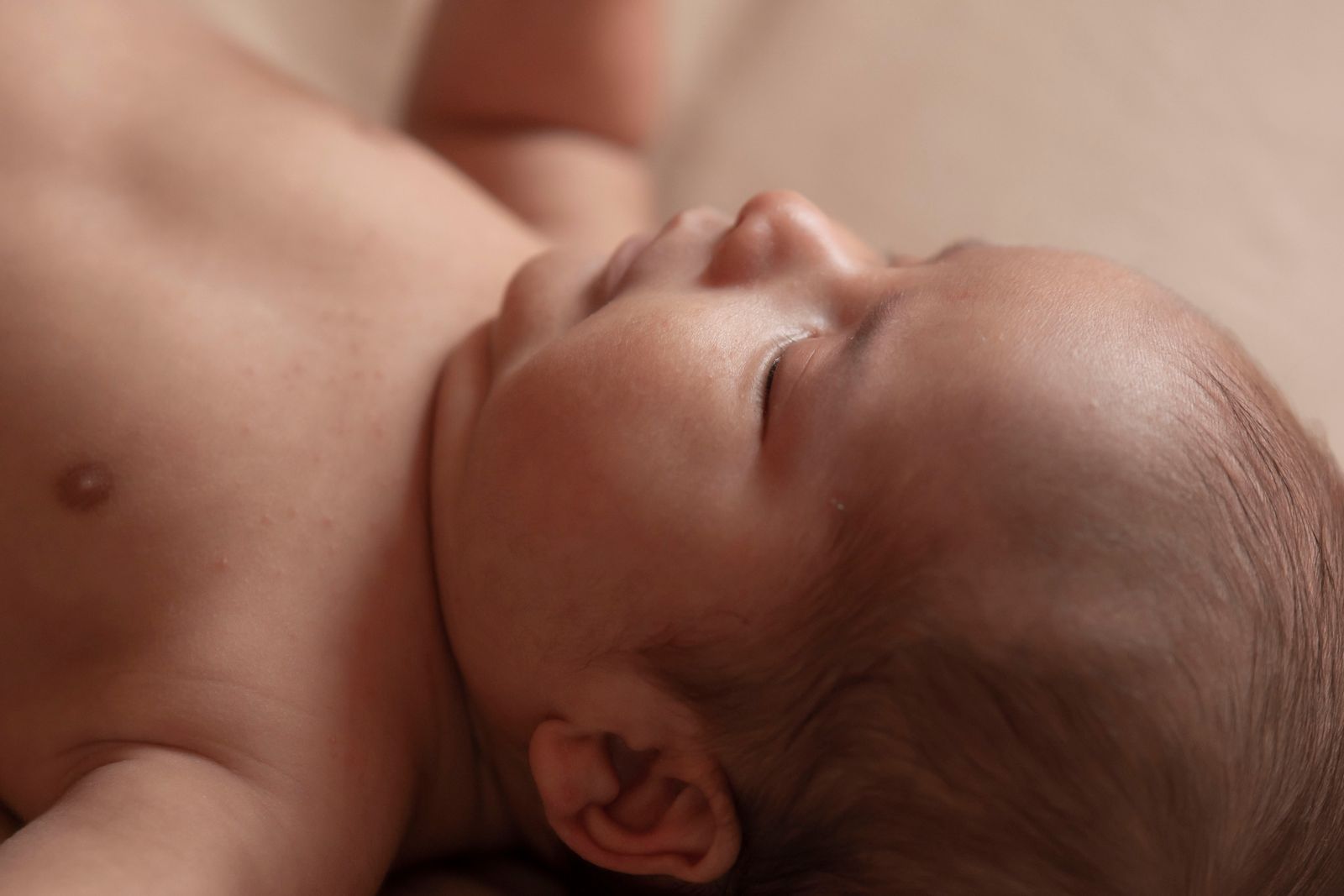
Cradle cap is the everyday name for infant seborrheic dermatitis. That is a mouthful, so most people just call it cradle cap. It shows up as greasy, yellowish scales or crusts on your baby’s scalp, sometimes thick and stuck down, sometimes flaking off like dandruff. The skin under it can look a little pink, but the patches themselves are usually more waxy than raw.
It does not stay on the scalp only. Cradle cap can also appear on the eyebrows, the eyelids, behind and inside the ears, in the creases beside the nose, in the armpits, and even in the diaper area. Wherever your baby has a lot of oil glands, cradle cap can turn up. Down there it is easy to mix up with an ordinary rash, so if the skin looks red and sore rather than scaly and greasy, treat it as a diaper rash instead.
The most important thing to know is how it feels to your baby, which is to say, it mostly does not. Cradle cap is not itchy and not painful. Your baby is not bothered by it at all. You are the one staring at it. That single fact takes the panic down a notch, because the crust that worries you is not making your baby miserable.
Why babies get cradle cap
Nobody can point to one single cause, but the picture is pretty clear. Two things team up. First, your baby’s oil glands are working overtime. Near the end of pregnancy, your hormones crossed the placenta and gave those glands a push, and they are still running a little hot in the early weeks. Cradle cap often turns up in the first couple of weeks, right when you are still finding your footing with feeding and sleep. They pump out extra sebum, the natural oil that skin makes, and that oil traps old skin cells instead of letting them flake away cleanly. The result is those greasy, stuck-on scales.
Those same leftover pregnancy hormones are behind a lot of the strange changes in these first months, including your own. If your hair is falling out by the handful right now, that is the flip side of the same hormone shift, which you can read about in postpartum hair loss. Your body and your baby are both recalibrating after nine months of shared chemistry.
The second player is a yeast called Malassezia. It lives on everyone’s skin, adults included, and it is perfectly normal. In the oil-rich environment of a newborn scalp it can grow a bit more than usual, and that seems to feed the flaking. This is why cradle cap is not an infection you caught and not something you can pass to anyone.
Here is what does not cause it, so you can put the guilt down for good. Cradle cap is not from poor hygiene or skipping baths. It is not an allergy. It is not a reaction to your breast milk or anything you ate. It is not a sign your baby is missing a vitamin. It is just oil glands and a normal yeast doing their thing on brand-new skin.
Is it cradle cap or something else?
Most of the time, greasy yellow scales on the scalp are cradle cap and nothing more. But two look-alikes are worth knowing, because they change what you do next.
Eczema is the big one people mix up. Cradle cap looks greasy and yellow and sits mainly on the scalp, and it does not seem to bother your baby. Baby eczema looks different. It is red, dry, and rough, it often shows up on the cheeks, the folds of the arms and legs, or the body rather than just the scalp, and the giveaway is that it itches. An itchy baby is a fussy baby. If your little one is scratching, rubbing their head on the sheet, or waking up unsettled, that points more toward eczema than cradle cap. Cradle cap does not disturb sleep, so if the skin seems to be costing your baby rest on top of your usual newborn sleep juggle, mention it to your pediatrician.
An infection is the other thing to rule out. Plain cradle cap is calm. If a patch turns bright red, feels warm or swollen, starts oozing or crusting yellow fluid, bleeds, or spreads fast, that is not typical cradle cap anymore and it needs a doctor’s eyes.
When it really is just cradle cap, you have time and you have options. Nothing about it is urgent.
7 gentle ways to get rid of cradle cap
None of these are emergencies, because cradle cap clears on its own even if you do nothing. Think of these as ways to tidy it up faster and keep the scalp comfortable. Go slow and gentle every time.
Track every feed without the spreadsheet
Latchly times each side, logs pumps, and shows you the patterns. Free to start.
1. Wash the scalp more often with a mild baby shampoo. During a flare, washing your baby’s hair every day or every other day helps loosen the scales and clears away extra oil. Use a plain, tear-free baby shampoo, work a little lather in with your fingertips, and rinse well. This alone clears up a lot of mild cradle cap without anything fancy.
2. Soften the thick scales with a little oil first. If the crusts are stuck down hard, rub a small amount of plain mineral oil or petroleum jelly into the scalp and let it sit for a few minutes, up to an hour for stubborn patches. The oil loosens the scales so they lift instead of tearing. Some parents like coconut oil, and it is fine to try, but if it does not seem to help, switch to mineral oil.
3. Lift the loosened scales with a soft brush. After the oil has softened things, gently work a soft baby brush or a clean, soft toothbrush over the scalp in small circles. Only take the flakes that come away easily. A cradle cap brush from the baby aisle works well too, but your fingertips or any soft-bristled brush do the same job.

4. Always wash the oil back out. This is the step people skip. If you leave oil sitting on the scalp, it can build up and actually make the scaling worse over time. After you soften and brush, shampoo the oil out so the scalp is clean. Oil is a tool to loosen the crust, not something to leave on all day.
5. Never pick, peel, or scrub at it. The dried flakes look so pick-able, but resist. Digging at cradle cap or scrubbing hard can tear the thin skin underneath, and that raw spot is exactly how a harmless patch turns into an infected one. Gentle and boring wins here every time.
6. Moisturize any dry, flaky spots after. Once the scalp is clean and dry, a thin layer of a fragrance-free baby moisturizer keeps the skin from getting tight and dry. Fragrance-free matters, because added scent can irritate newborn skin.
7. Give it time and do not overdo it. If a few washes are not clearing it, that is normal, not a failure. Cradle cap comes and goes for weeks or even months, and most of it clears on its own by the first birthday. Once the worst of the crust is gone, back off to normal baths and let time finish the job. Treating it harder does not make it leave faster.
What not to do
A few common moves do more harm than good, so cross these off the list.
- Do not pick or peel the scales off. It tears the skin and invites infection. Soften and brush only what lifts easily.
- Do not use adult dandruff shampoo, steroid creams, or antifungal products on your own. These can be too harsh for a baby, and some are risky. Only use a medicated product if your pediatrician tells you to.
- Do not scrub hard or use a stiff brush. Newborn scalp skin is thin. Firm scrubbing causes the very irritation you are trying to avoid.
- Do not stop washing your baby’s hair. Cradle cap is not from washing too much. Backing off baths tends to make the oil and scale build up, not clear.
- Do not change your diet or reach for supplements to fix it. Cradle cap is not a food reaction and not a vitamin problem. You do not need to cut anything or add biotin. How you feed your baby has nothing to do with it.
When to call your pediatrician
Cradle cap on its own rarely needs a doctor. Call if it stops looking like plain cradle cap and starts looking like something more:
- Skin that turns red, warm, swollen, or tender, or that oozes fluid or pus
- Scales that bleed or leave raw, broken skin behind
- A rash that spreads quickly across the face or down the body
- Any sign the patches itch or hurt, like a fussy baby scratching or rubbing at them, which points more toward eczema
- Bald patches or hair coming out along with the scales
- Cradle cap that just will not improve with gentle home care after a few weeks
Your pediatrician can sort cradle cap from eczema, a fungal rash, or a skin infection in about a minute, and can prescribe a gentle medicated shampoo or cream if the everyday steps are not enough. There is no prize for waiting it out if it is bothering you.
The thing I wish I’d known
I remember running my thumb over those yellow flakes and feeling like I had already failed at something. I bought three products, brushed too hard once and saw a tiny pink spot, and felt terrible. Nobody had warned me that a brand-new baby’s skin does all kinds of strange things that look worse than they are. Cradle cap, baby acne, peeling hands and feet, blotchy newborn skin. It is a long list, and almost none of it means anything is wrong. The same goes for newborn hiccups after every feed or a snuffly, congested little nose. Loud and dramatic, and usually nothing at all.
If your baby has cradle cap, you did not cause it and you cannot fail at it. Wash gently, soften and lift what comes easily, and leave the rest alone. One day you will run your hand over a smooth little head and realize you cannot remember when the last flake disappeared. Until then, be as gentle with yourself as you are with that soft scalp. You are doing this exactly right.
Frequently asked questions
What causes cradle cap?
Cradle cap comes from oil glands that are working overtime, stirred up by hormones your baby got from you at the end of pregnancy, plus a normal yeast that lives on everyone’s skin. It is not caused by anything you did, ate, or missed. It is not an allergy and it is not contagious.
Will cradle cap go away on its own?
Yes. Cradle cap almost always clears by itself, usually within a few months and nearly always by your baby’s first birthday. Treating it can speed things up and make the scalp look tidier, but doing nothing is a perfectly safe choice too.
Can I pick cradle cap off?
Please do not pick or peel it, even though the loose flakes are tempting. Picking can tear the delicate skin underneath and open the door to infection. Soften the scales with oil and lift them gently with a soft brush instead, and only the ones that come away easily.
Is cradle cap caused by not washing my baby's hair enough?
No. Cradle cap has nothing to do with how clean your baby is. It is about oil glands and hormones, not dirt. If anything, washing a bit more often during a flare helps, but harsh scrubbing or skipping baths did not cause it and cannot be blamed on you.
How do I tell cradle cap from baby eczema?
Cradle cap looks greasy and yellow, sits mostly on the scalp, and does not seem to bother your baby. Eczema looks red, dry, and rough, often shows up on the cheeks or body, and is itchy enough to make your baby fussy or scratchy. If the patches seem to itch or your baby is uncomfortable, ask your pediatrician.
Can what I eat while breastfeeding cause cradle cap?
No. Cradle cap is not a food reaction and it is not a sign your milk is missing anything. You do not need to cut foods, take biotin, or change your diet to fix it. It is a normal skin thing that clears on its own no matter how you feed your baby.